


Kids fall into the same old routine when they’re indoors. They watch cartoons. They run in circles. They’ll even test your patience with those little “art projects” on the walls.
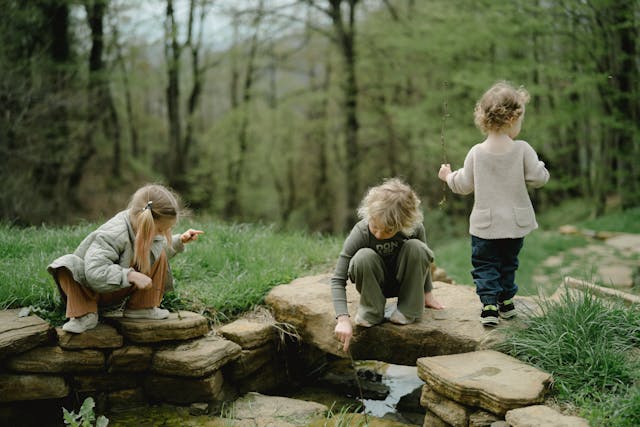
All of these activities have their place. But there’s a whole world waiting outside for your little ones. Fresh air helps their tiny bodies. Nature helps their curious minds. They get to touch things. See things with their own eyes. They can learn how the outdoors works in the simplest yet most hands-on ways.
Want to give your kids a chance to explore the outdoors and learn about it, too? Here are five fun, nature-themed activities that will make the outside world feel like a second classroom.
Go on a Nature Hike
A simple hike is an easy way to get kids curious about the outdoors. Trails give them room to explore. They can walk. Look around. Stop when something catches their eye. You can even try night hiking if your kids feel brave. Night sounds and moonlight add a whole new layer of learning. It feels like play. But it teaches them how the world changes with every step.
Pick an easy trail. Pack light snacks. Keep the pace slow. Let your child lead for a bit, too. Point out trees and interesting plants. Allow them to touch bark and feel moss. The hike becomes a little science class that sparks their wonder.
Start a Small Garden Patch
Kids love dirt. They love to dig. They love to watch tiny things grow. Gardening with kids turns all that energy into learning. A small patch of soil can teach them how roots form. Why plants need water and sunlight. And how life starts small.
Pick a sunny corner in the garden. Show them how to loosen the soil. Let them plant the seeds to start the growing process. Teach them how to keep the soil moist by using mulch. If you live in South Central PA, look for the best mulch for sale Manheim, PA has to offer. It shows kids what good garden care looks like. It also helps the soil hold moisture while they learn.
Visit the patch each day. Let your child water the plants. Help them notice new sprouts. Talk about insects that help the garden. They don’t just learn about plants. It trains them to be patient, caring, and responsible, too.
Build a Bug Observation Jar
Bugs feel mysterious to kids. Sometimes, they’re a little spooky. Help them turn that curiosity into calm learning with a DIY bug observation jar.
Find a clear jar with a lid. Poke tiny holes on top. That way, your tiny visitor can breathe. Walk through your garden or yard with your child. Look under leaves or near flowers. Catch one small bug, whether it’s a butterfly or a ladybug, for a quick peek.
Let your child watch how the bug moves. Talk about its legs or wings. Count its spots. Explain how bugs help plants grow. Then, release the bug back into its home. Your kid will walk away knowing that even tiny insects have important jobs in the world.
Take a Trip to the Beach
A family beach vacation feels like play. But it also teaches kids so much. Let your children feel the waves of the ocean. Show them how sand feels. Collect seashells with them. This allows them to explore a new setting and learn about the ocean.
Older kids can enjoy the bigger side of the beach. Talk about high and low tides. Let teens try water activities like boating and jet skiing. Explain how deeper water behaves. Show them how currents move. The beach becomes a classroom. Every splash teaches something new, however old your kids may be.
Do a Clean-Up at a Local Park
Kids care deeply about the world. They notice things fast. A little piece of trash. A plastic wrapper stuck in the grass. Bringing them to a clean-up activity helps them understand that these things can be fixed by their own little hands.
Bring small bags and kid-sized gloves. Walk around slowly. Point out safe items they can pick up. Let them see how clean patches of grass look neat and tidy. Explain that they’re doing their part to care for Mother Nature.
When they start asking questions, guide them. Talk about how trash can hurt plants and oceans. How birds can mistake litter for food. You can even slowly introduce climate change to them. Explain that caring for the earth starts with small choices. A park clean-up becomes their first step in learning how to care for the planet.
Conclusion
Kids absorb science in the most earnest way when nature is the teacher. They spot tiny clues. They appreciate how things work. They understand real things, like small creatures or how plants grow. Expose your kids to some of the activities above. The outdoors will open their minds a little more.
Pick one activity and give it a try. Keep it light. Keep it fun. Watch how your child studies the world like a little scientist. Nature does the teaching. You get to enjoy every spark of curiosity in their eyes.











Add Your Comment