


Continuous positive airway pressure (CPAP) machines have been the go-to treatment for obstructive sleep apnea for decades. Still, a surprising number of patients give up on them. Research indicates that close to half of all users stop using their devices within the first year. The reasons range from physical discomfort to noise complaints and the hassle of daily maintenance. Taking a closer look at these frustrations helps patients and healthcare providers work together to find treatments that people will actually follow through with.
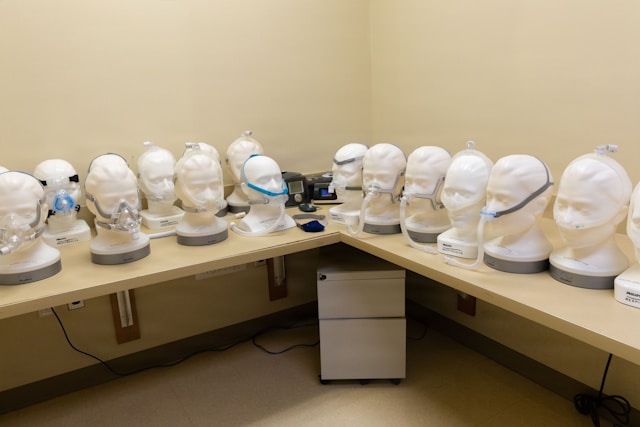
Common Frustrations With Traditional Airway Pressure Devices
Before looking into an alternative to CPAP, let’s dive into the common frustrations associated with traditional devices:
Mask Discomfort and Skin Irritation
The mask is often the first thing patients complain about. Tight straps dig into the skin, leaving red marks or causing pressure sores over time. Some users describe a claustrophobic sensation the moment they put the mask on. Even after a professional fitting, many people wake up several times a night just to adjust the headgear. That kind of repeated disruption undermines the very goal of treating a sleep disorder.
Noise and Partner Disturbance
Newer machines run quieter than their predecessors, but a low, constant hum still fills the room. For light sleepers, or for the person sharing the bed, that background noise can be enough to break up restful sleep. Air leaks around the mask add another layer of annoyance, producing a faint whistling that bothers everyone within earshot.
Lifestyle and Travel Limitations
Hauling a bulky device on trips creates real headaches. There are security screenings at airports, the hunt for compatible power outlets, and the need for distilled water wherever the destination may be. Patients looking for a dependable CPAP alternative often want something compact and less reliant on electricity or extra supplies. Oral appliances, positional therapy devices, and select surgical procedures now provide practical paths that blend far more easily into busy, travel-heavy lifestyles.
Health Side Effects Linked to Prolonged Use
Here’s a look at the health side effects of prolonged use:
Dry Mouth and Nasal Congestion
Pressurized air tends to pull moisture from the nasal passages and the throat lining. A heated humidifier attachment helps to some degree, but it rarely solves the problem completely. Ongoing dryness can lead to persistent sore throats, nosebleeds, and a greater chance of developing sinus infections over time.
Aerophagia and Bloating
Certain users end up swallowing the pressurized air their device delivers, a condition called aerophagia. The result is stomach bloating, excess gas, and general abdominal discomfort. Adjusting the pressure settings sometimes offers relief, yet for a portion of patients, the symptoms continue no matter how carefully the machine is calibrated.
Compliance Challenges and Insurance Requirements
Most insurers set strict usage thresholds. Patients typically need to log a minimum number of hours per night over a defined period to keep their equipment coverage. Falling short of those benchmarks can mean losing benefits for the device entirely. That added obligation turns what should be a health solution into a source of stress, pushing some individuals to seek therapies with fewer bureaucratic strings attached.
Advances in Non-Machine Treatment Options
Explore the advances in non-machine treatment options:
Oral Appliance Therapy
Custom-fitted dental devices work by shifting the lower jaw and tongue forward, keeping the airway open during sleep. These appliances are small, silent, and simple to care for. Published research in sleep medicine confirms their effectiveness for mild to moderate obstructive sleep apnea cases.
Positional Therapy
Some patients experience breathing disruptions, mainly while lying on their backs. For them, positional therapy can be a straightforward fix. Wearable sensors or purpose-built pillows gently encourage side sleeping, which reduces airway collapse without relying on any machinery at all.
Surgical Interventions
Procedures like uvulopalatopharyngoplasty or hypoglossal nerve stimulation address the physical structures responsible for airway obstruction. Surgery carries its own set of risks, of course, but it can deliver lasting results for patients who have tried conservative approaches without success.
The Role of Weight Management
Carrying extra weight, especially around the neck and throat area, narrows the airway and worsens symptoms. Shedding even a small percentage of body weight has been shown to reduce sleep apnea severity. In milder cases, a focused weight loss program has helped some patients eliminate the need for any treatment device altogether.
Conclusion
When patients walk away from traditional airway pressure therapy, they are responding to genuine, daily frustrations rather than ignoring medical advice. Physical discomfort, travel inconveniences, and persistent side effects all play a part in that decision. The encouraging news is that a broader selection of treatments now exists to address obstructive sleep apnea through less burdensome methods. Speaking with a qualified sleep specialist remains the smartest first step for anyone considering a switch, ensuring the new approach fits both the severity and the specifics of their condition.











Add Your Comment