


Recovery from upper eyelid surgery doesn’t usually feel confusing because of what’s happening—it feels unclear because of when things happen. One day, the swelling looks more noticeable, the next it seems to settle, and somewhere in between, it’s hard to tell what’s normal and what isn’t.
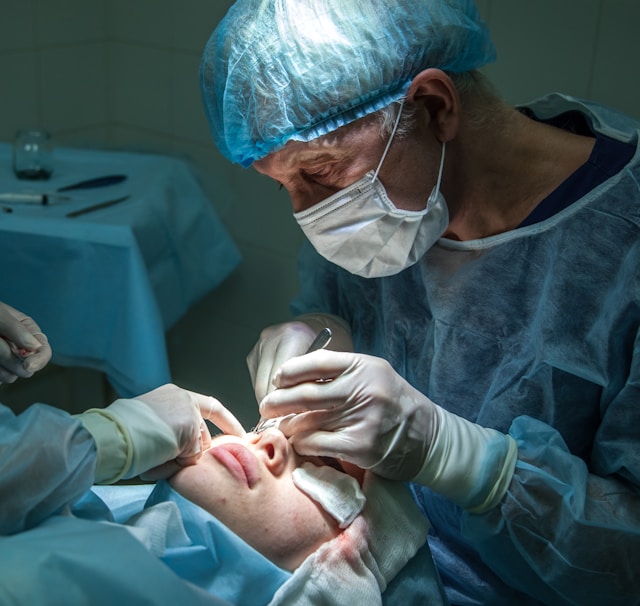
That uncertainty tends to show up in small, practical moments. Getting ready for the day takes a little longer, mirrors start to feel more scrutinized than usual, and plans are quietly adjusted around how the eyes look and feel. It’s less about discomfort and more about not knowing how each phase is supposed to progress.
In a city like Philadelphia, where routines move quickly and downtime is limited, having a clearer sense of how recovery unfolds can make the entire process feel more manageable. The timeline isn’t random—it follows a pattern, just not one that’s always explained upfront.
Below are 6 key phases that explain what recovery from upper eyelid surgery typically looks like and how it progresses over time.
- The First Few Days Are About Swelling and Adjustment
Swelling and bruising around the eyes are the first things people notice after surgery. This happens because the tissue has been carefully adjusted, and the body immediately begins its natural healing response.
When those early changes feel unfamiliar, the focus naturally shifts toward understanding what this stage of recovery should look like under proper care. In the context of upper blepharoplasty in Philadelphia, this phase is typically approached with close attention to the body’s response in the first few days rather than to the final outcome.
At that stage, the priority is observing how healing unfolds. In practices like W Cosmetic Surgery, this early phase is tracked through skin response, shifting swelling, and individual recovery patterns. During this period, most changes are temporary, even if they feel more noticeable up close.
- The First Week Brings Visible Improvement
The first week is when the most visible changes begin to settle, even though healing is still in progress. Bruising typically starts to fade, and swelling begins to reduce in a way that feels more manageable day by day.
People usually start to feel more comfortable resuming light daily activities during this time, although there’s still some awareness of the healing process. Stitches, if present, are usually removed within this window, which also marks a small but noticeable shift in how the eyes feel.
This stage tends to bring a sense of reassurance. The initial intensity fades, and the recovery begins to feel more predictable.
- Weeks Two to Three Feel More Socially Comfortable
By the second and third week, most of the obvious signs of surgery have softened significantly. There may still be mild swelling or slight discoloration, but it’s generally subtle enough that others may not immediately notice unless they’re looking closely.
This is usually when people start feeling more at ease returning to social settings or professional environments without drawing attention to the procedure. Makeup can typically be used again, which helps blend any remaining signs of healing. The transition during this stage is less about physical change and more about confidence returning as everything starts to look more natural.
- Residual Swelling Takes Longer Than Expected
Even after the initial recovery phases pass, small amounts of swelling can linger beneath the surface. It’s not always visible to others, but it can still subtly affect how the eyelids feel or look.
This part of the process is easy to underestimate because most of the noticeable healing has already happened. However, the body continues to refine and settle the results over time, gradually improving definition and smoothness.
Understanding this stage helps set realistic expectations. What you see at three weeks isn’t necessarily the final result, even if it already looks significantly improved.
- Final ResultsDevelop Gradually Over Time
Upper eyelid surgery doesn’t produce an instant final outcome. While early improvements are visible, the full result continues to develop as swelling fully resolves and tissues settle into place.
This gradual progression can feel subtle, but it plays an important role in achieving a natural appearance. The eyelids begin to look more refined, and the overall effect becomes more cohesive with the rest of the face. Patience becomes part of the process here. The changes continue quietly in the background, even when it feels like healing is complete.
- Recovery Is Influenced by Individual Factors
No two recovery timelines are exactly the same, even when the procedure is similar. Factors such as skin quality, healing response, and overall health can influence how quickly each stage progresses.
Some people may notice faster improvements, while others take a bit longer to move through certain phases. What matters more than the exact timeline is understanding the general pattern and knowing what to expect at each stage. That awareness tends to make the process feel more manageable, even when small variations occur along the way.
Conclusion
Recovery from upper eyelid surgery isn’t defined by a single timeline—it’s a progression that unfolds in stages, each with its own changes and expectations. What can feel uncertain at the beginning usually becomes much clearer once you understand how those stages fit together.
From the initial swelling to the gradual refinement of results, each phase plays a role in shaping the overall outcome. The process may take time, but it follows a pattern that becomes easier to navigate with the right expectations. When you look at recovery this way, it feels less like an unknown and more like a sequence you can prepare for, step by step.










Add Your Comment