


Many people think school only happens with desks and books. However, children learn many things at home. The house works like a lab where they study different topics. Everyday activities help a child grow and gain new skills.
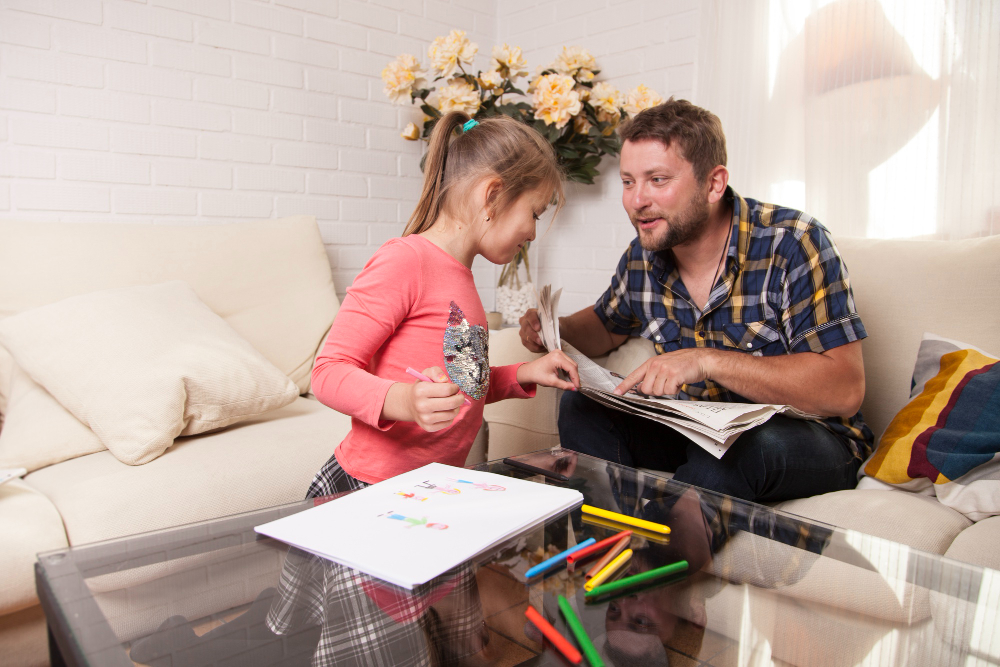
If a parent explains the sunset or shows a child how to fold clothes, they are teaching. This helps with math, words, and feelings. These moments work well because the child feels safe. This makes it easier to remember things than just reading a school book.
Changing how people view chores and daily tasks makes a home a good place to study. When parents use normal work to teach skills, children stay interested in new things. This helps kids keep learning even when they are not at school.
1. The Culinary Laboratory: Math and Science in the Kitchen
The kitchen works well for teaching children. Cooking meals provides lessons in math and science. When kids help, they use their senses to see how things work. Measuring cups teach them about volume and fractions. Watching flour become dough, and then bread, shows how heat and mixing change objects. They also learn where food comes from and why the body needs nutrients.
Cooking teaches kids to follow directions. They read a recipe, do the steps in the correct order, and track the time. If they make a mistake, they must find a solution. When the food is ready, the child has used both their brain and their hands to finish the task.
2. Shared Reading and the Architecture of Language
Reading with a child is very important for learning a language. It is more than just looking at words. It is about talking about the story together. When a family reads, it helps a child’s brain grow. During this time, parents can ask questions about why things happen in the book. This makes the child think and guess what comes next. It also helps them learn new words they do not use every day. Hearing a parent speak helps the child understand how to use different tones and emotions in a sentence.
Families who want more school help can look for the best tutors in Toronto for extra support. This help is good for learning to read or studying hard topics. Professional teaching works well when it adds to the learning a child already does at home.
The main goal of reading together is to make learning feel good. When a child connects getting new information with being close to family, they feel safe. This makes it easier for them to learn hard things in the future.
3. The Great Outdoors: Environmental Literacy and Physics
You do not need a forest to teach kids about nature. A backyard or a park works well. The natural world makes people ask questions. When leaves fall, bugs move, or puddles form after rain, children can learn how things work. These moments show how different parts of the world connect.
Playing outside works like a science lab. When a child builds a dam in a gutter or balances on a log, they learn about gravity and weight. These activities make science feel real. Later, when they read a science book, the lessons are easier to understand. They have already felt things like water pressure or gravity on a slide. The book then describes a real experience instead of just using words.
Spending time outside as a family helps children learn to care for the environment. Watching a garden grow or seasons change teaches patience. It also shows how different parts of nature work together. This helps kids feel responsible for the planet. These moments show children that they are part of a living system. They learn that they are connected to the world around them instead of being separate from it.
4. Household Management: Logic and Responsibility
Household management is really good for kids. These tasks help children improve their thinking. For example, sorting laundry by color or fabric teaches kids how to group items. This skill is useful for math and logic. Setting the table helps children understand how to use space. They learn to make sure every person has the right items.
When children help with house chores, they feel in control of their actions. They see that their work actually helps the family. This makes them feel more capable and sure of themselves. Instead of just watching, they are active members of the house. They help make things run better.
Doing chores is a good way to teach children about money. Parents can discuss food costs, compare prices at the store, or explain why they save money. This helps kids understand what things cost and why they must wait to buy items. Schools often do not teach these skills, but adults need them. When children help at home, they see how work helps the family. Taking care of a house shows kids why it is important to maintain things.
5. Emotional Intelligence Through Family Conflict and Resolution
Learning is more than just facts and numbers. It also involves social skills. The home is where children learn to get along with people, explain their needs, and solve problems. When family members disagree on things like which movie to watch or how to share a toy, it helps children understand different feelings.
When parents demonstrate problem-solving, children learn to communicate and find agreements. Watching a parent apologize or describe emotions provides a model for social habits. These interactions teach children that other people have their own thoughts and viewpoints.
Learning social skills and emotions helps kids do better in school. A child who manages their feelings and works with a team will do well in group tasks or jobs later. The home offers a place to practice and make mistakes. Because family members are helpful, the child can try new things without fear. Talking through problems together helps a child get ready for adult life.
FAQ
How can I find learning moments in a busy schedule?
Use the time you already have. You can play word games while driving to school. Talk about new facts during dinner. You do not need a new schedule. Just change what you talk about during your normal day.
Is it okay if my child finds educational chores boring?
Yes. Boredom helps children create new ideas. Learning is not always exciting. The goal is to teach kids about responsibility. When a task is boring, a child may find a different way to finish it.
How do I explain complex concepts simply?
Compare things to objects they know. You can describe the heart as a water pump. If you do not know the answer, find it together. This shows children that adults also learn new things.
At what age should I start involving my child in these moments?
Start right away. Even babies learn when you talk about what you are doing. At first, they just watch. Later, they will help you. Finally, they can do the tasks alone as they get older.
Can these moments replace traditional schooling?
No, they work together with the school. These activities show how book lessons work in real life. If a child uses math at home, they will understand it better when they see it in a classroom.









Add Your Comment