


Every year, approximately 3.1 million dogs enter U.S. animal shelters, according to the ASPCA’s 2024 national statistics — and while many are strays or surrenders, a significant portion are beloved family pets who simply got lost and couldn’t find their way home. As urban areas expand and housing developments create more complex neighborhoods, the challenge of reuniting lost pets with their families has grown more difficult, even as technology offers better solutions.
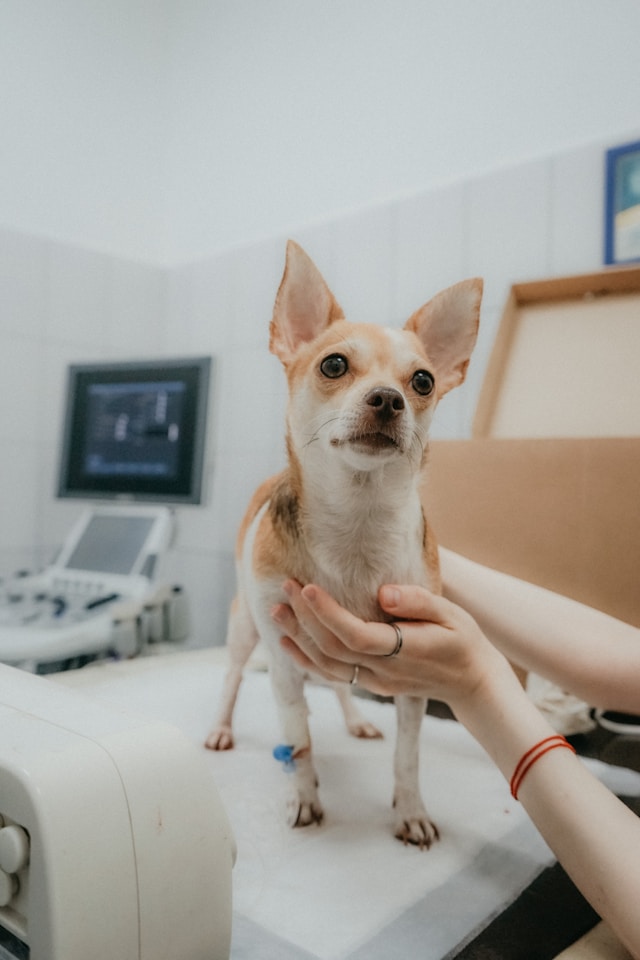
For dog owners, few experiences match the panic of realizing your pet has disappeared. Traditional identification methods like collar tags can fall off or become unreadable, leaving even the most responsible owners vulnerable to that nightmare scenario. The emotional toll affects entire families, but there’s also a practical reality: the longer a dog stays lost, the lower the chances of a successful reunion become.
Microchipping represents a fundamental shift in how we approach permanent pet identification — moving beyond external tags to technology that can’t be lost, stolen, or damaged. Understanding how this technology works, what it can and can’t do, and how to implement it effectively gives dog owners a reliable foundation for protecting their most loyal family members.
How Does Microchipping Improve Pet Recovery Chances?
The microchipping process itself takes less than a minute and works similarly to a routine vaccination. A veterinarian uses a needle slightly larger than those used for standard shots to inject a rice-grain-sized chip between your dog’s shoulder blades. The chip contains a unique identification number — not your personal information — that links to a database record containing your contact details.
When a lost dog arrives at a shelter, veterinary clinic, or animal control facility, staff members use a handheld scanner to check for a microchip. The scanner emits a low-frequency radio wave that activates the chip, causing it to transmit its identification number back to the scanner’s display. Staff then contact the microchip registry to access the owner’s information and initiate the reunion process.
The recovery statistics tell a compelling story. Research published in the Journal of the American Veterinary Medical Association found that microchipped dogs were returned to their owners 52.2% of the time, compared to just 21.9% for non-microchipped dogs. This dramatic difference stems from the permanent nature of microchip identification — while collar tags can be lost during the adventure that led to your dog getting lost in the first place, the microchip remains readable indefinitely.
Consider a scenario many dog owners face: your normally well-behaved pet bolts during a thunderstorm, running through wooded areas where branches could easily snag and remove a collar. Hours or days later, when a Good Samaritan finds your dog miles from home, that microchip becomes the only reliable connection back to your family. The technology works regardless of your dog’s condition, appearance changes, or how long they’ve been missing.
This reliability explains why microchipping has become standard practice for reputable breeders, animal shelters, and veterinary clinics — they understand that permanent identification dramatically improves outcomes for both pets and families.
What Makes Microchips Better Than Tags and GPS Devices?
Traditional collar tags face inherent limitations that compromise their effectiveness over time. Collars can break, slip off, or be deliberately removed, while metal tags gradually become scratched and unreadable. Even well-maintained tags present challenges — phone numbers change, families move, and information becomes outdated without the owner realizing the tag no longer serves its purpose.
Microchips eliminate these vulnerabilities through their permanent, tamper-proof design. Once properly implanted, the chip remains functional for your dog’s entire lifetime without requiring batteries, maintenance, or replacement. The biocompatible glass coating prevents the chip from moving within your dog’s body, and the passive technology means it only activates when scanned — there’s no ongoing power consumption or signal transmission.
GPS tracking devices offer real-time location monitoring, which sounds appealing until you examine the practical limitations. GPS collars require regular charging, often lasting only 1-3 days between charges depending on usage. They’re bulky, expensive (usually $100+ for the device plus monthly service fees), and vulnerable to the same collar-loss problems that affect traditional tags. Most importantly, GPS devices fail in areas with poor cellular coverage — exactly where many dogs get lost during hiking trips or rural escapes.
The comparison becomes even clearer when you consider long-term costs and reliability. A microchip for dogs typically costs $25-50 for a lifetime of protection, while GPS devices can cost $200-400 annually between hardware and service fees. More critically, microchips work regardless of weather conditions, battery life, or cellular coverage — factors that often contribute to pets getting lost in the first place.
Microchips also offer international compatibility that other identification methods can’t match. Most countries recognize ISO-standard microchips, making them essential for dogs that travel internationally or live near borders where a lost pet might cross jurisdictional lines.
What Are the Risks and Misconceptions About Microchipping?
The most persistent misconception about microchips is that they work like GPS devices, allowing owners or authorities to track a pet’s location in real-time. This isn’t true — microchips are passive devices that only respond when scanned by a reader held within a few inches of the implant site. They don’t emit signals, track movement, or store location data.
Genuine health risks from microchipping are extremely rare. The American Veterinary Medical Association’s comprehensive safety review found adverse reactions occur in fewer than 1 in 1,000 implantations. The most common issues involve minor inflammation at the injection site, which typically resolves within a few days. Chip migration — where the device moves from its original location — occurs occasionally but rarely affects functionality since scanners can detect chips anywhere in the body.
Some dog owners worry about the implantation procedure causing pain. While the injection does involve a larger needle than standard vaccinations, most dogs tolerate the procedure well with minimal discomfort. The entire process takes seconds, and unlike surgical procedures, no anesthesia is required. Many veterinarians perform microchipping during routine appointments or spay/neuter surgeries to minimize separate visits.
Cancer concerns represent perhaps the most serious misconception. Anti-microchip campaigns often cite studies linking microchips to tumor development in laboratory mice and rats. However, these studies used research animals that were genetically predisposed to cancer and were exposed to multiple implants under controlled laboratory conditions that don’t reflect real-world pet ownership. The British Small Animal Veterinary Association’s long-term surveillance found no increased cancer risk in the millions of microchipped pets they monitored over decades.
The data overwhelmingly supports microchip safety. European countries where microchipping is mandatory — including the UK, which has required microchips for all dogs since 2016 — have reported no significant health issues despite millions of successful implantations. The procedure’s safety profile compares favorably to routine veterinary interventions most owners accept without hesitation.
How Should You Prepare and Choose Best Practices for Microchipping?
Preparing Your Dog for Microchipping
Most dogs need minimal preparation for microchipping, making it one of the most straightforward veterinary procedures. Schedule the implantation during a regular checkup or vaccination appointment to minimize stress from separate visits. Young puppies can typically receive microchips as early as 6-8 weeks old, though many veterinarians prefer to wait until they’re slightly larger for easier handling.
The timing of microchip implantation matters more than most owners realize. Don’t wait until your dog is already lost to consider permanent identification — by then, it’s too late. Many families assume their well-behaved, never-straying pet doesn’t need a microchip, but emergency situations like natural disasters, accidents, or medical emergencies can separate even the most obedient dogs from their families.
Consider your dog’s temperament and stress triggers when scheduling. Anxious dogs may benefit from implantation during procedures where they’re already receiving sedation, while calm dogs handle the quick injection during routine visits without issue. Discuss options with your veterinarian based on your pet’s specific needs and medical history.
Ensuring Accurate Registration and Updates
The microchip itself is only half the solution — proper registration makes the technology effective. After implantation, you’ll receive paperwork with your dog’s unique chip number and instructions for registering with the microchip company’s database. This registration process typically involves completing an online form or mailing paperwork with your contact information.
Keep your registration information current throughout your dog’s life. Address changes, phone number updates, and ownership transfers must be reported to the microchip company to maintain the connection between your pet and your family. Many lost pets with microchips still don’t make it home because their owner information in the database is outdated.
Consider registering with multiple databases for added security. While your microchip company maintains the primary registry, services like Found Animals’ free database provide additional search options for shelters and veterinarians. Some owners also maintain backup records with their veterinarian’s office, including photos and detailed descriptions that could help with identification even if database systems experience problems.
What Does Research Say About Microchipping’s Effectiveness?
Large-scale studies consistently demonstrate microchipping’s effectiveness in reuniting lost pets with their families. The Journal of the American Veterinary Medical Association’s landmark research, tracking outcomes for over 7,700 lost pets, found that proper microchip registration increased return rates by more than 250% compared to non-microchipped animals. Even more telling, the study found that registered microchips were significantly more effective than unregistered ones, emphasizing the importance of complete database enrollment.
International data reinforces these findings across different contexts and populations. The UK’s mandatory microchipping program, implemented in 2016, has provided researchers with unprecedented data on real-world effectiveness. British veterinary associations report that microchipped dogs are returned to owners at rates exceeding 60%, compared to roughly 15% for non-microchipped pets found by authorities.
Veterinary professionals increasingly view microchipping as essential preventive care, comparable to vaccinations in terms of importance for pet welfare. Dr. Jennifer Conrad’s research at the UC Davis School of Veterinary Medicine found that microchipped pets spend significantly less time in shelters, reducing stress on both animals and overcrowded facilities. This efficiency benefit extends beyond individual pets to support broader animal welfare goals.
Emerging technology promises to make microchipping even more effective. Next-generation chips with expanded data storage capabilities are being developed to include medical information, vaccination records, and emergency contacts beyond basic owner identification. While these advanced chips aren’t yet widely available, they represent the evolution toward more comprehensive digital health records integrated with permanent identification systems.
The evidence supports microchipping as both individually beneficial for pet owners and societally valuable for reducing shelter populations and improving animal welfare outcomes. As scanning technology becomes more widespread and databases become more interconnected, the effectiveness of microchip identification will likely continue improving, making this one-time investment an increasingly powerful tool for protecting your dog throughout their lifetime.











Add Your Comment