


Choosing the right tile for your bathroom can transform the space from ordinary to extraordinary. When considering Moroccan Zellige Tile versus ceramic tile, each offers unique benefits and challenges. This article will explore the distinct characteristics and aesthetic appeal of Moroccan Zellige, the versatility of ceramic tile, and factors such as durability, maintenance, and cost. By the end, you’ll have a clearer understanding of which tile option might best suit your bathroom renovation project.
Moroccan Zellige Tile: Characteristics and Aesthetic Appeal
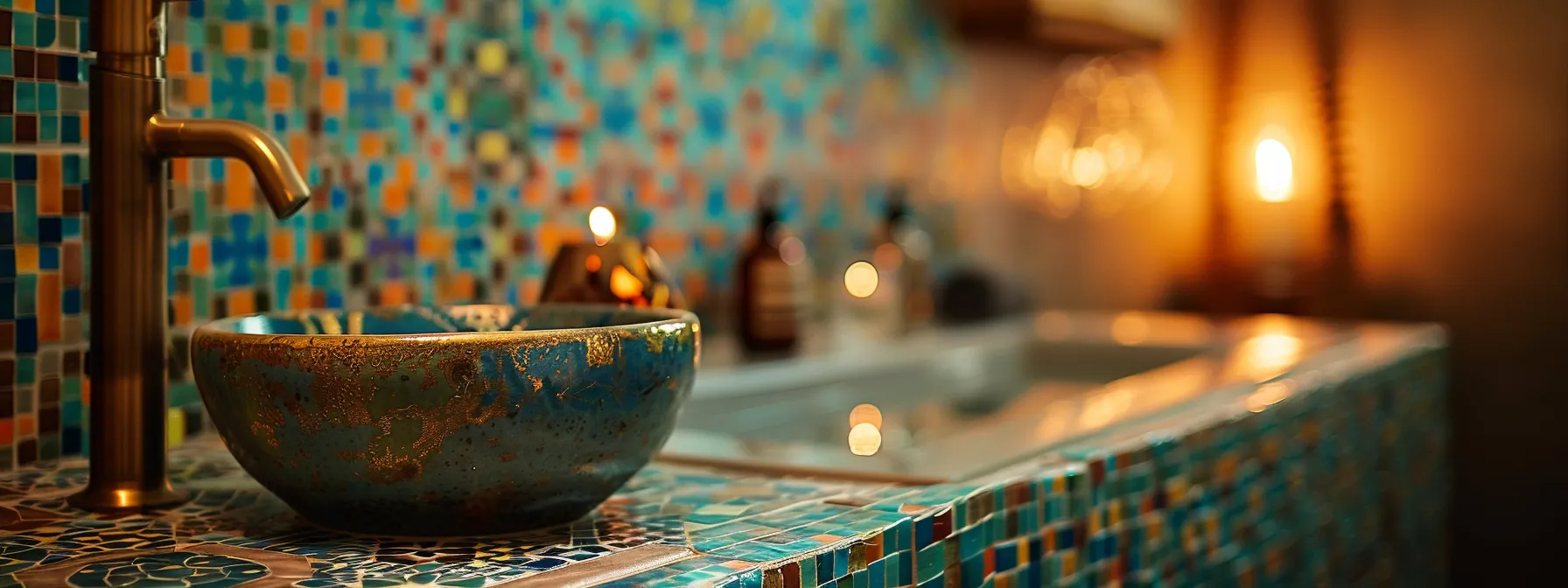
Moroccan Zellige Tile is renowned for its rich history and artisanal craftsmanship. Unlike mass-produced tiles, these tiles are handcrafted from non-refined natural clay and glazed to create a unique, glossy finish. The irregularity in each tile provides a distinct, textured surface, making them ideal for creating a rustic yet sophisticated look in bathrooms. The use of Zellige in interior design often aligns with the principles of Color Theory Application, as the tiles come in a variety of vibrant hues that can enhance the overall mood of the space.
Incorporating Moroccan Zellige into a bathroom design can be seen as an art form. The tiles are often arranged in intricate patterns, similar to creating a Moroccan Zellige Tile mood board where each piece contributes to the overall aesthetic. Designers frequently use Zellige to craft focal points, such as accent walls or bespoke shower areas, providing a custom touch that stands out in any bathroom design.
Ceramic Tile: Versatility and Practicality for Bathrooms
Ceramic tiles are a popular choice for bathrooms due to their versatility and practical benefits. Made from a mixture of clays and minerals, these tiles are fired at high temperatures, resulting in a durable and water-resistant surface. Ceramic tiles are highly adaptable, available in a wide range of sizes, colors, and finishes, making them suitable for various design intents documented in Finish Schedule plans.
The versatility of ceramic tiles extends to their compatibility with various interior design styles. Whether you’re aiming for a minimalist look or a more traditional bathroom setting, ceramic tiles can complement any schematic design. Additionally, they are often used in space planning to create seamless transitions from floor to wall, enhancing the functionality of the bathroom.
Comparing Durability and Maintenance of Zellige and Ceramic Tiles
When it comes to durability, both Moroccan Zellige and ceramic tiles have their advantages. Ceramic tiles are known for their hard-wearing nature, making them an excellent choice for high-traffic areas. They are less prone to chipping and scratching, and their non-porous surface makes them easy to clean and maintain.
In contrast, Zellige tiles, while also durable, require more careful handling during installation and maintenance. The substrate preparation is crucial for Zellige tiles to ensure a smooth and even surface. Regular sealing is recommended to maintain their glossy finish and prevent moisture absorption, which can be a consideration for bathrooms with high humidity levels.
Cost Considerations for Moroccan Zellige vs. Ceramic Tile in Bathroom Renovations
Cost is a significant factor in any bathroom renovation. Ceramic tiles are generally more affordable due to their mass production, making them a budget-friendly option for many homeowners. Their ease of installation and low maintenance also contribute to cost-effectiveness.
Conversely, Moroccan Zellige Tiles may come with a higher price tag due to their artisanal nature and the intricate labor involved in their creation. However, their unique aesthetic appeal and the ability to create a customized look can justify the investment, especially in high-end bathroom designs where the design intent documentation emphasizes bespoke elements.
Conclusion
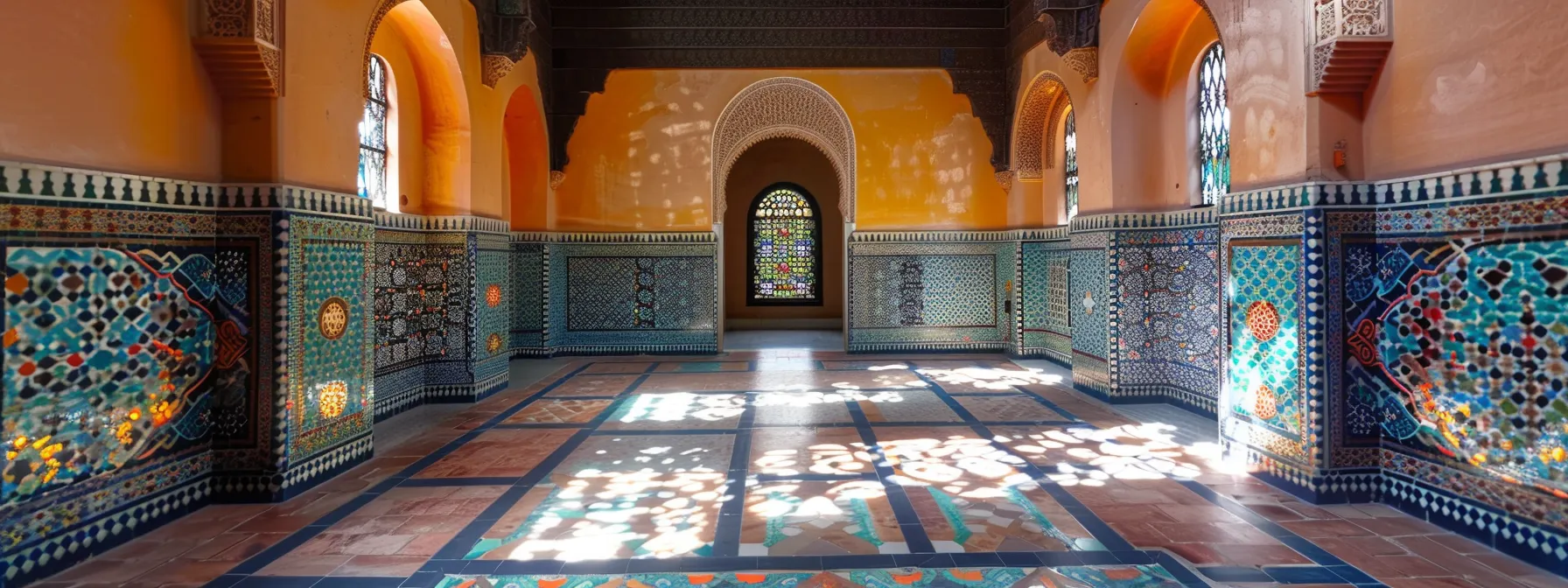
Deciding between Moroccan Zellige and ceramic tiles for your bathroom boils down to personal preference and project priorities. Moroccan Zellige offers a unique, artistic flair with its handcrafted appeal, while ceramic tiles provide versatility and practicality. For those seeking a distinctive, custom look, investing in Zellige may be worthwhile. In contrast, ceramic tiles offer a cost-effective, durable solution for a variety of design styles. Ultimately, the choice should reflect your aesthetic desires and functional needs for your bathroom space.











Add Your Comment