


When it comes to selecting the best walking boots, one of the most crucial considerations is the materials used in their construction. The materials not only determine the durability and comfort of the boots but also influence their overall performance and suitability for different trails and weather conditions. Therefore, understanding the types of materials used in walking boots can help hikers and outdoor enthusiasts make informed choices for their adventures.
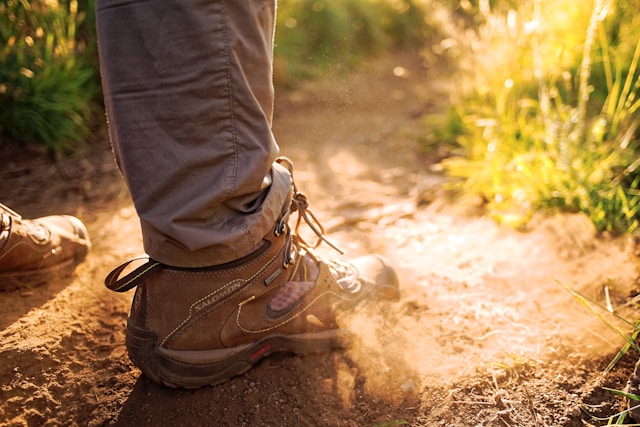
Leather: The Classic Choice
Leather has long been a popular material for walking boots, offering a combination of durability, support, and water resistance. Full-grain leather, in particular, is renowned for its toughness and ability to withstand the harshest of conditions. It shapes well to the foot over time, providing a customized fit. However, leather boots can be heavier than those made from synthetic materials and may require regular maintenance to keep them in top condition.
Synthetic Materials: Lightweight and Versatile
Many modern walking boots incorporate synthetic materials, such as nylon and polyester, in their design. These materials are prized for being lightweight, breathable, and quick-drying, making them ideal for hyperactive environments. Additionally, boots made from synthetic fabrics tend to be less expensive than their leather counterparts. However, they might not offer the same level of durability or support, especially in rugged terrains.
Gore-Tex and Waterproof Linings
Waterproof linings, such as Gore-Tex, have revolutionized the comfort levels in walking boots. These linings ensure that the feet remain dry in wet conditions while still allowing moisture from sweat to escape, maintaining breathability. Waterproof linings can be integrated into both leather and synthetic boots, providing a versatile solution for maintaining comfort in unpredictable weather conditions. However, they might add some weight and reduce the breathability of the boots compared to non-waterproof options.
Soles: Traction and Stability
The sole of a walking boot is critical for providing traction and stability. Most walking boots feature soles made from rubber, which offers excellent grip on various surfaces. High-quality rubber soles provide the shock absorption necessary on rocky trails and uneven ground. Some manufacturers combine rubber with other materials for enhanced durability and added lightweight properties. The tread pattern on the soles also plays a significant role in grip and should be chosen based on the typical terrains you expect to encounter.
Midsole and Cushioning: The Comfort Factor
The midsole is another essential component in walking boots, contributing to comfort and cushioning. Common materials used for midsoles include EVA (ethylene vinyl acetate) and PU (polyurethane). EVA is lightweight and offers excellent shock absorption, often preferred for less-demanding trails. Conversely, PU is denser and more resilient, providing extra support for longer hikes and heavier loads. The choice between EVA and PU will depend on personal preference and the specific demands of the trekking route.
In conclusion, the materials used in the construction of walking boots play a pivotal role in their performance and suitability for specific environments. Leather, synthetic materials, waterproof linings, and high-quality sole rubbers each offer their own benefits, which should be weighed against the requirements of the hike and personal comfort needs. By understanding these materials, hikers can select boots that not only withstand the elements but also offer a pleasant and supportive walking experience.
Ben Austin is the founder and CEO of Absolute Digital Media, a UK-based SEO and digital marketing agency established in 2008. The agency specializes in regulated industries including iGaming SEO, financial services, legal, and healthcare, and has accumulated over 175 industry awards. Ben has 17 years of hands-on experience in technical SEO, link acquisition, and search strategy for compliance-sensitive sectors. He writes on organic search, AI-driven visibility, and LLM citation optimisation.











Add Your Comment