


According to the American Association of Orthodontists’ 2024 patient survey data, nearly 70% of orthodontic patients report feeling unprepared for their first consultation — leading to longer appointments, incomplete assessments, and delayed treatment starts. As digital scheduling platforms make it easier than ever to book appointments, the gap between making the appointment and actually being ready for it has widened significantly.
This preparation deficit affects more than just appointment efficiency. Patients who arrive without understanding the process often miss crucial opportunities to discuss their concerns, ask relevant questions, or gather the information they need to make informed treatment decisions. For families considering orthodontic care, especially those navigating insurance coverage or comparing treatment options, a well-prepared consultation can mean the difference between a clear path forward and months of uncertainty.
The consultation sets the foundation for your entire orthodontic journey — from initial diagnosis through treatment completion. Understanding what happens before, during, and immediately after this appointment transforms it from an overwhelming experience into a productive first step toward your treatment goals.
Why Preparing for Your Consultation Matters
Most people think of the orthodontic consultation as a simple “check and quote” appointment, but it’s actually a comprehensive diagnostic session that shapes your entire treatment plan. The information you provide and the questions you ask during this visit directly influence how your orthodontist approaches your case.
Consider a teenager whose parents mention persistent jaw clicking during the consultation versus one where this detail never comes up. The first patient might receive a treatment plan that addresses both alignment and jaw function, while the second might need additional appointments later when the jaw issue becomes problematic during treatment.
Preparation ensures nothing important gets overlooked.
The consultation also serves as your opportunity to evaluate the practice and orthodontist. You’re not just receiving an assessment — you’re determining whether this provider understands your concerns, communicates clearly, and approaches treatment in a way that aligns with your preferences. Patients who prepare specific questions often leave with a much clearer sense of whether they’ve found the right fit.
From a practical standpoint, preparation significantly reduces treatment delays. When patients arrive with complete information about their dental history, current concerns, and treatment preferences, orthodontists can often provide more detailed treatment plans and more accurate timelines during the initial visit. This efficiency becomes especially valuable when coordinating treatment around school schedules or planning for major life events.
Insurance considerations also benefit from preparation.
Understanding your coverage details before the consultation allows you to ask specific questions about treatment timing, payment options, and which procedures require pre-authorization. Many families discover that certain treatment approaches work better with their insurance timeline when this information is discussed upfront rather than after treatment decisions are made.
How to Book and Schedule Your Appointment Efficiently
Scheduling your orthodontic consultation involves more than just finding an available time slot. Most modern orthodontic practices offer online booking systems that guide you through the process, but understanding what information you’ll need beforehand streamlines the entire experience.
When you book an orthodontic consultation online, you’ll typically encounter forms asking about your primary concerns, dental history, and insurance information. Having these details readily available — including your insurance member ID, group number, and the name of your dental insurance carrier — prevents the need for follow-up calls that can delay your appointment confirmation.
Timing considerations extend beyond your personal schedule.
For children and teenagers, orthodontists often recommend scheduling consultations during specific developmental windows. If you’re booking for a child, mentioning their age and any previous dental work helps the scheduler suggest optimal appointment timing. Some practices also offer different consultation lengths depending on case complexity, so describing your primary concerns during booking ensures adequate time is allocated.
Insurance verification typically happens before your appointment, but you can expedite this process by providing accurate information during booking. Many practices can determine coverage levels and copay requirements within 24-48 hours when they receive complete insurance details upfront. This advance verification often allows for more detailed treatment and payment discussions during the actual consultation.
Location and provider selection within multi-location practices also matters during booking. Some orthodontists specialize in specific types of cases or age groups, and mentioning your primary treatment interest — whether that’s traditional braces, clear aligners, or early intervention treatment — can help match you with the most appropriate provider. This consideration becomes particularly valuable for complex cases or when specific treatment preferences are already established.
The booking confirmation typically includes pre-appointment instructions, required forms to complete, and items to bring to your consultation. Reading these details carefully prevents appointment delays and ensures you arrive fully prepared for the diagnostic process.
What to Expect During the Orthodontic Consultation
The orthodontic consultation follows a structured assessment process designed to evaluate your oral health, bite function, and treatment needs comprehensively. Understanding each component helps you participate more effectively and ensures you get the most value from the appointment time.
The initial discussion typically focuses on your primary concerns and treatment goals.
Your orthodontist will ask about specific issues you’ve noticed — crowding, spacing, bite problems, or jaw discomfort — and how these concerns affect your daily life. This conversation directly influences which diagnostic procedures receive the most attention and how treatment options are prioritized.
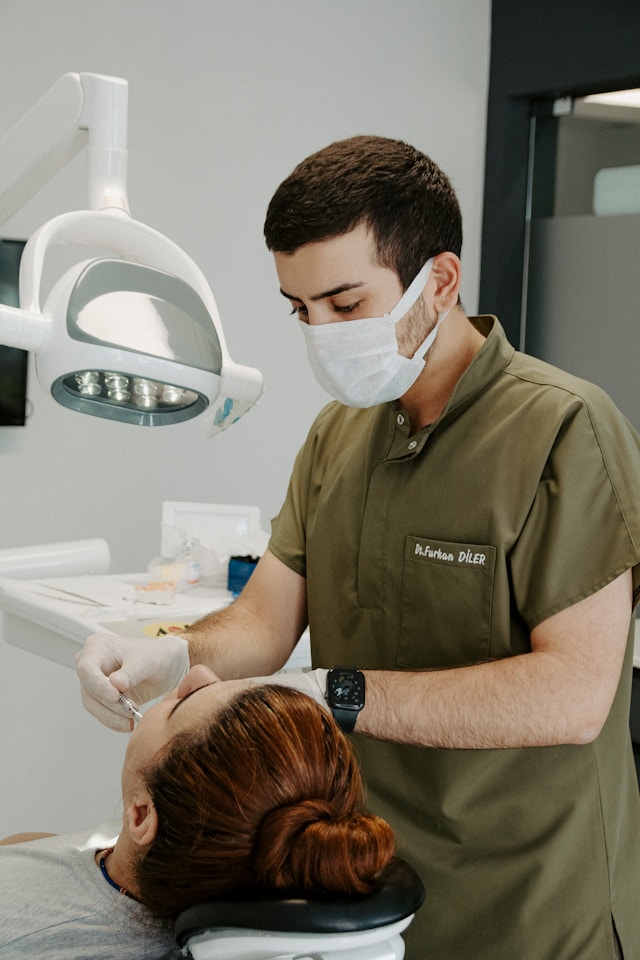
Clinical examination comes next and involves both visual assessment and hands-on evaluation. The orthodontist examines your teeth alignment, bite relationship, jaw function, and facial proportions. You might be asked to bite down in different positions, open and close your mouth while the orthodontist observes jaw movement, or demonstrate how your teeth come together naturally. This examination reveals problems that aren’t always visible in photographs or obvious to patients.
Diagnostic imaging varies depending on case complexity and practice protocols.
Most consultations include digital photographs of your teeth and bite from multiple angles. X-rays might be taken to evaluate root positions, jaw bone structure, and the presence of any impacted teeth. Some practices use 3D scanning technology to create precise digital models of your teeth, eliminating the need for traditional impressions during the initial visit.
Treatment planning discussion typically happens after the clinical examination and imaging review. Your orthodontist will explain what they’ve observed, identify the primary issues requiring correction, and outline potential treatment approaches. This isn’t usually a detailed treatment plan — that often comes at a follow-up appointment — but rather an overview of options and a general timeline for your consideration.
Cost and logistics conversations round out most consultations. You’ll receive information about treatment duration, appointment frequency, insurance coverage, and payment options. Many practices provide written estimates during this visit, though exact costs often depend on the specific treatment plan ultimately chosen. This discussion also covers practical considerations like school schedules, sports participation, and any upcoming events that might influence treatment timing.
Common Questions to Ask at Your Consultation
General Questions to Understand Your Orthodontic Needs
Asking the right questions during your consultation ensures you understand your diagnosis, treatment options, and what to expect throughout the process. These general questions help establish a foundation for informed decision-making.
Start with diagnostic clarity: “What are the primary issues you’ve identified, and how do they affect my oral health or function?” This question moves beyond cosmetic concerns to understand the clinical reasons for treatment recommendations. Many patients discover that what they perceived as minor crowding actually affects their bite function or creates areas that are difficult to clean properly.
Understanding your orthodontist’s background and approach provides valuable insight into their treatment philosophy. Ask about their experience with cases similar to yours, their preferred treatment methods, and how they stay current with orthodontic advances. Orthodontists often specialize in specific age groups or treatment types, and understanding their expertise helps you evaluate whether they’re well-suited for your particular needs.
Timeline questions help you plan around work, school, or life events. Ask about typical treatment duration for cases like yours, factors that might extend or shorten treatment time, and how frequently you’ll need appointments. Understanding that treatment timelines can vary based on patient compliance and individual response helps set realistic expectations.
Insurance and financial questions deserve careful attention during the consultation. Ask specifically which procedures are covered under your plan, whether pre-authorization is required, and how payment schedules typically work. Many practices offer multiple payment options, and understanding these early in the process prevents surprises later.
Treatment-Specific Questions to Clarify Options and Next Steps
Once you understand your diagnosis and general treatment approach, more specific questions help you evaluate different treatment options and their implications for your daily life.
Appliance-specific questions should address both treatment effectiveness and lifestyle impact. If multiple treatment options are available — traditional braces, clear aligners, or other appliances — ask about the advantages and limitations of each for your specific case. Some alignment issues respond better to certain appliances, while others offer similar outcomes with different compliance requirements.
Maintenance and care requirements vary significantly between treatment types. Ask about daily oral hygiene routines, dietary restrictions, and what to do if appliances break or become damaged. Understanding these requirements upfront helps you choose treatment options that fit your lifestyle and commitment level.
Emergency and problem management questions prepare you for common issues that arise during treatment. Ask what constitutes a true emergency versus a minor inconvenience, how quickly urgent issues can be addressed, and whether after-hours contact is available. Many orthodontic problems can wait until the next business day, but understanding when to seek immediate care prevents unnecessary anxiety.
Post-treatment retention questions are often overlooked but critically important. Ask about retainer requirements, how long you’ll need to wear them, and what happens if retention protocols aren’t followed. Understanding that retention is a permanent commitment helps you plan for long-term success rather than viewing treatment completion as the end of your orthodontic care.
Monitoring and adjustment schedules also merit discussion. Ask how often you’ll need appointments, what happens during typical adjustment visits, and how progress is tracked throughout treatment. Some patients prefer more frequent contact with their orthodontic team, while others value efficiency and minimal disruption to their schedules.
Initial Steps After Your Orthodontic Appointment
The period immediately following your consultation sets the stage for successful treatment initiation. Understanding what happens next and what decisions you need to make helps maintain momentum and prevents delays in starting your orthodontic care.
Treatment decision timelines vary depending on case complexity and patient readiness. Some families need time to consider options, discuss with other family members, or explore insurance coverage details. Others are ready to move forward immediately. Most orthodontic practices accommodate both approaches, but understanding their scheduling patterns helps you plan accordingly.
Insurance processing often requires additional steps after your consultation. If pre-authorization is needed for your treatment, this process typically takes 1-2 weeks. Some practices handle all insurance communications, while others require patient involvement in the approval process. Clarifying these responsibilities during your follow-up contact prevents delays and ensures treatment can begin as soon as you’re ready.
Scheduling your treatment start appointment typically happens once you’ve decided to proceed and any insurance approvals are obtained. First appointments for appliance placement often require longer time slots than regular adjustments, and popular appointment times fill quickly. Many practices offer some flexibility in scheduling, but understanding their typical lead times helps you plan around important events or commitments.
Pre-treatment preparation may include additional dental work or specific instructions for the days leading up to appliance placement. Some patients need cleanings, cavity treatment, or other dental care before orthodontic treatment begins. Others receive specific dietary or medication guidance to ensure optimal conditions for appliance placement.
The transition from consultation to active treatment represents a significant step in your orthodontic journey. Most successful patients find that the time invested in thorough preparation and question-asking during the consultation phase pays dividends throughout their treatment experience. Your orthodontic team’s goal is to make this process as smooth and predictable as possible, but your active participation in preparation makes that goal much more achievable.
Understanding that orthodontic treatment is a collaborative process — requiring consistent communication, compliance with instructions, and realistic expectations — positions you for the best possible outcome from your investment in oral health and function.











Add Your Comment