


The American Association of Orthodontists reports that over 4 million Americans are currently wearing braces, with adults now representing nearly 25% of all orthodontic patients. This dramatic shift reflects more than changing demographics — it signals a fundamental transformation in how orthodontic treatment feels, looks, and fits into daily life. Modern techniques have dismantled many of the barriers that once kept people from pursuing straighter teeth: the metal-mouth appearance, constant discomfort, and disrupted eating habits that defined orthodontics for decades.
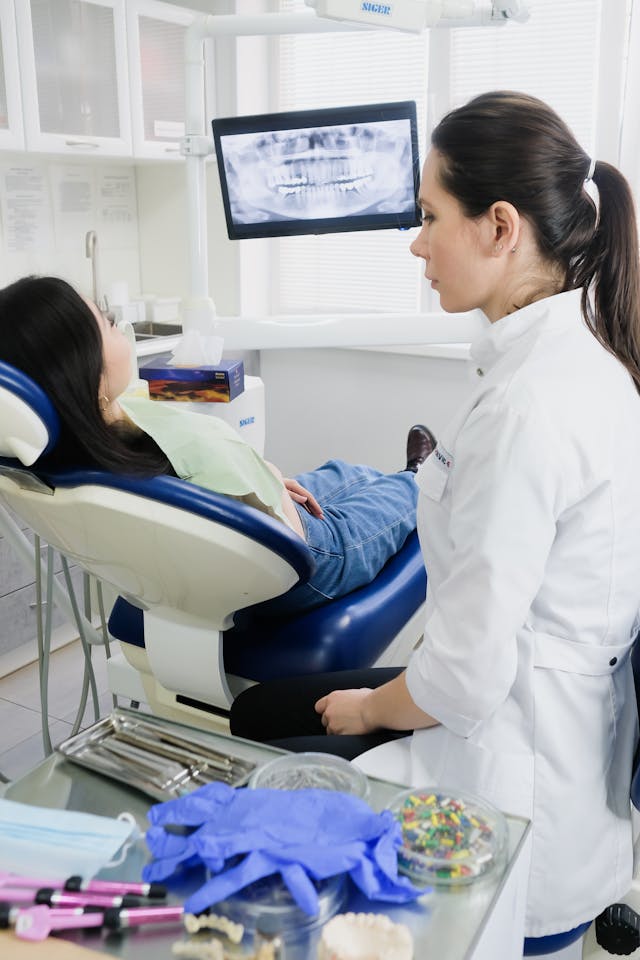
What’s driving this change isn’t just patient demand, but genuine technological breakthroughs that address the core pain points of traditional treatment. Digital scanning has replaced messy impressions, clear aligners offer nearly invisible correction, and advanced materials reduce both treatment time and discomfort. For residents of Yorktown Heights considering orthodontic care, these innovations mean treatment that integrates seamlessly into professional and social life while delivering superior results.
The difference between modern orthodontics and the experience many adults remember from their youth is profound — and understanding these advances helps explain why more people than ever are choosing to invest in their smile.
How Modern Orthodontic Techniques Improve Comfort
The foundation of comfortable orthodontic treatment begins with digital precision that eliminates much of the guesswork that once made treatment unpredictable. 3D digital scanning creates exact replicas of a patient’s teeth and bite without the gagging, mess, and multiple retakes that characterized traditional dental impressions. This technology allows orthodontists to map treatment with millimeter precision, reducing the trial-and-error adjustments that often caused unnecessary discomfort in older approaches.
Heat-activated nickel-titanium wires represent another breakthrough in patient comfort. Unlike the stainless steel wires used for decades, these advanced materials respond to body temperature by applying gentle, continuous pressure that moves teeth more efficiently with less soreness. Patients typically report significantly reduced pain during the first few days after adjustments — the period that historically caused the most treatment dropouts.
Perhaps most significantly, computer-aided treatment planning allows orthodontists to visualize the entire treatment process before placing a single bracket. Software can predict how teeth will move, identify potential complications, and optimize the sequence of movements to minimize discomfort. This means fewer emergency visits for loose brackets, reduced treatment time, and movements that feel more natural to patients.
The integration of low-force mechanics has transformed how braces feel day-to-day. Modern brackets are designed to work with lighter forces over longer periods, rather than the heavy pressure applied in shorter bursts that characterized traditional treatment. The result is teeth that move more comfortably and predictably, with less root resorption and better long-term stability. For working professionals in Yorktown Heights, this translates to treatment that doesn’t interfere with presentations, client meetings, or daily activities.
Comparison of Orthodontic Treatment Options in Yorktown Heights
Understanding the comfort profile of different treatment options helps patients make informed decisions based on their lifestyle and aesthetic preferences. Each approach offers distinct advantages in terms of daily experience, maintenance requirements, and social impact.
Traditional Metal Braces Benefits and Drawbacks
Modern metal braces bear little resemblance to the bulky, uncomfortable appliances of previous generations. Self-ligating brackets eliminate the need for elastic ties that could trap food and create pressure points, while smaller bracket profiles reduce irritation to lips and cheeks. The metal used today is also more biocompatible, reducing allergic reactions and gum inflammation that occasionally occurred with older materials.
The primary comfort advantage of metal braces lies in their predictability and orthodontist control. Since they’re fixed in place, treatment progresses consistently without requiring patient compliance for wear time. This reliability often translates to shorter overall treatment duration, which means less time dealing with any discomfort. Metal braces also handle complex bite corrections more effectively than removable alternatives, potentially eliminating the need for additional phases of treatment.
However, the fixed nature that provides treatment advantages also creates lifestyle limitations. Patients must avoid certain foods throughout treatment, maintain more complex oral hygiene routines, and accept the visual prominence of metal brackets. For adults in professional settings, the aesthetic impact remains a significant consideration despite improvements in bracket design.
Clear Aligners as a Comfortable Alternative
Clear aligner therapy addresses many of the lifestyle concerns associated with traditional braces, offering nearly invisible treatment that can be removed for eating, brushing, and special occasions. The removability factor eliminates food restrictions entirely and allows normal oral hygiene practices, reducing the risk of white spot lesions and gum problems that can occur with fixed appliances.
The comfort profile of aligners differs significantly from braces. Instead of constant pressure from wires, aligners apply controlled force only during the initial days after switching to each new set. Many patients describe this as a “tight” feeling rather than pain, and it typically resolves within 48-72 hours. The smooth plastic surface also eliminates bracket-related irritation to soft tissues, making aligners particularly appealing for musicians, public speakers, or others who rely on clear speech.
However, aligner effectiveness depends entirely on patient compliance with 20-22 hours of daily wear. This requirement can create anxiety for some patients and may not suit individuals with demanding travel schedules or those who frequently attend business meals. Additionally, complex bite issues may still require traditional braces or supplementary treatments, potentially extending overall treatment time. For residents of Yorktown Heights seeking advanced orthodontic care in Yorktown Heights, understanding these trade-offs helps ensure realistic expectations and optimal treatment outcomes.
Step-by-Step Orthodontic Treatment Process
Modern orthodontic treatment follows a systematic process designed to maximize comfort and minimize surprises. The journey begins with a comprehensive digital evaluation that goes far beyond the basic visual exam of previous decades. Advanced imaging reveals not just tooth position, but root structure, bone density, and jaw relationships that influence treatment planning. This thorough assessment prevents mid-treatment complications that historically caused discomfort and delays.
Treatment planning sessions now include 3D visualizations that show patients exactly how their teeth will move and what the final result will look like. This transparency helps patients understand why certain movements might cause temporary discomfort and allows them to prepare mentally for each phase. Many orthodontists provide week-by-week projections, so patients know when to expect the most significant changes and can plan accordingly around work or social commitments.
The active treatment phase varies significantly depending on the chosen approach, but modern protocols emphasize gradual, consistent movement over aggressive adjustments. For braces, this means lighter forces applied more frequently, while aligner patients receive sets designed to create small, comfortable movements every 1-2 weeks. Regular monitoring appointments now focus on tracking progress against digital models, allowing for real-time adjustments to improve comfort and efficiency.
Retention planning begins before active treatment ends, with custom retainers designed using the same digital technology that planned the original treatment. This precision fit improves comfort and compliance, reducing the risk of relapse that would require retreatment. Modern retention protocols also include periodic check-ups with digital scanning to detect minor movements before they become significant problems.
Throughout each phase, patients have access to digital tools that track progress, provide care instructions, and connect them with their orthodontic team between visits. This support system helps manage discomfort, maintains motivation, and ensures optimal results with minimal disruption to daily life.
Managing Side Effects and Supporting Oral Health
Common Side Effects Patients Should Expect
Understanding normal orthodontic discomfort helps patients distinguish between expected sensations and problems requiring attention. Initial soreness typically peaks 24-48 hours after appliance placement or aligner changes, then gradually subsides over 3-5 days. This discomfort reflects teeth beginning to move and responds well to over-the-counter pain relievers and soft foods.
Soft tissue irritation affects most patients during the first two weeks as lips, cheeks, and tongue adapt to appliances. Modern bracket designs minimize this issue, but orthodontic wax remains an effective temporary solution. For aligner patients, minor tongue irritation may occur as speech patterns adjust, but this typically resolves within days.
Some patients experience temporary changes in bite as teeth move into new positions. This can create brief periods where chewing feels awkward or speech sounds slightly different. These changes are normal parts of the alignment process and resolve as treatment progresses. Increased tooth sensitivity may also occur, particularly with aligner therapy, but usually diminishes as teeth stabilize in their new positions.
Modern orthodontics significantly reduces more serious complications like root resorption or severe gum recession through careful force management and regular monitoring. However, patients should report persistent pain, loose brackets, or signs of infection promptly to prevent minor issues from becoming major problems.
The psychological adjustment to orthodontic treatment often proves more challenging than physical discomfort. Adults may feel self-conscious about their appearance or frustrated with dietary restrictions. Connecting with online communities of adult orthodontic patients and focusing on long-term benefits helps maintain motivation through temporary inconveniences.
Future Innovations and Technology in Orthodontics
Emerging technologies promise to make orthodontic treatment even more comfortable and efficient in the coming years. Artificial intelligence is beginning to optimize treatment planning by analyzing thousands of similar cases to predict the most comfortable movement patterns for each patient. This technology could reduce treatment time by 20-30% while minimizing discomfort through more precise force application.
Photobiomodulation therapy uses specific wavelengths of light to accelerate tooth movement and reduce inflammation, potentially cutting treatment time in half while improving patient comfort. Early studies suggest this non-invasive addition to traditional treatment could eliminate most of the soreness associated with orthodontic adjustments.
3D-printed brackets customized to each tooth’s exact shape promise to improve efficiency and comfort simultaneously. These personalized appliances could eliminate the pressure points and irritation that occur when standard brackets don’t perfectly match individual tooth anatomy. Combined with biodegradable materials, future orthodontic appliances may integrate seamlessly with natural oral tissues.
Remote monitoring systems using smartphone cameras and AI analysis could reduce office visits while maintaining treatment quality. Patients could receive real-time feedback on their progress and comfort levels, with automatic adjustments to treatment protocols based on how their teeth are responding. This technology could make orthodontic care more accessible to busy professionals while ensuring optimal outcomes.
The question isn’t whether these innovations will arrive, but how quickly they’ll become standard practice — and whether patients will be willing to wait for tomorrow’s comfort improvements or proceed with today’s already-advanced options that deliver excellent results with minimal disruption to daily life.










Add Your Comment