


You’re at the grocery store picking up milk. Or maybe sitting down for dinner at your favorite restaurant. Either way, commercial refrigeration is working behind the scenes. Most people never give it a second thought.
These big coolers and industrial fridges do way more than chill things. They’re standing guard between fresh food and harmful bacteria. Just a few degrees separate safe meals from food poisoning. Businesses across Canada depend on reliable equipment from suppliers like https://www.torontocommercialrefrigeration.ca/ to maintain proper temperatures. Once you understand how these systems work, you’ll never look at food storage the same way.
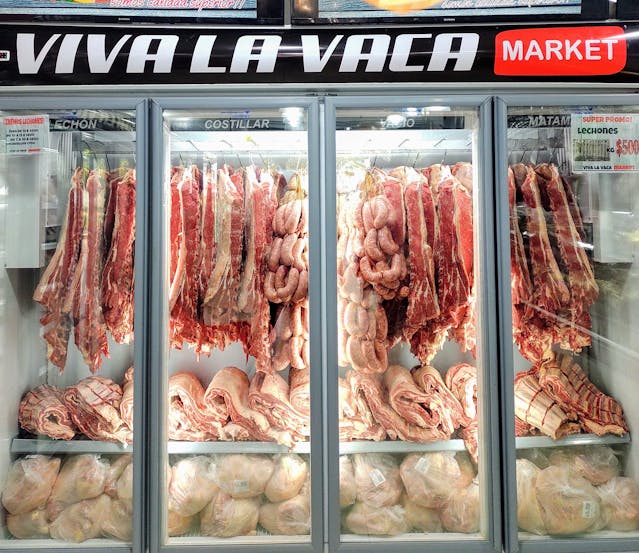
Photo by Florencia Flores
Why Temperature Control Stops Bacteria Dead
Between 40°F and 140°F, bacteria throws a party. Food scientists call this the danger zone for good reason. Bacterial cells double every 20 minutes in warm conditions. That’s exponential growth.
Commercial refrigerators keep everything below 40°F. Most run between 33°F and 38°F. Cold temperatures slow bacterial reproduction to a crawl. Growth doesn’t stop completely, but it slows enough to keep food safe for days or weeks.
Modern Sensors Catch Problems Before They Start
Today’s commercial units come with digital temperature displays. Staff can check the reading anytime. No guessing involved. Many systems also include alarm features that sound when temps climb too high.
Even a few hours above 40°F creates problems. Salmonella starts multiplying. E. coli spreads. Listeria takes hold. The CDC reports 48 million Americans get sick from foodborne illness every year. Poor temperature control causes many of these cases. That’s one in six people.
Each Food Type Has Different Storage Needs
Raw meat needs the coldest spot in any cooler. Bottom shelves work best since cold air sinks. Dairy products do fine slightly warmer. Fresh produce often requires humidity adjustments on top of cold storage.
Smart businesses use multiple refrigeration types for different jobs. Here’s how they break down storage:
- Prep tables keep ingredients cold while cooks work with them
- Display coolers showcase products without sacrificing temperature control
- Walk-in units handle bulk storage with consistent conditions throughout
- Under-counter fridges save valuable kitchen floor space
This setup prevents dangerous cross-contamination. Raw chicken never touches ready-to-eat foods. Different zones protect different products. Food lasts longer when storage conditions match what each item needs.
A typical restaurant might run five different refrigeration units. Each one handles specific ingredients. Seafood gets its own cold storage. Vegetables stay separate from dairy. Desserts need their own climate-controlled space. The separation protects quality and safety at the same time.
Cold Does More Than Prevent Sickness
Good refrigeration keeps food tasting the way it should. Lettuce stays crisp instead of wilting. Berries hold their shape and firmness. Meat retains moisture and texture. Your taste buds know the difference between properly stored food and neglected ingredients.
Commercial units pack serious cooling power. Heavy-duty compressors recover fast after someone opens the door. Restaurant kitchens see constant door openings during service. Quick recovery prevents those damaging temperature swings. Quality stays consistent from morning prep through dinner service.
Special Features Keep Food at Peak Freshness
Better commercial units control humidity along with temperature. This stops produce from drying out. It also prevents ice crystals from forming on frozen items. Glass-door models let staff see inventory without opening up. Less door time means more stable temperatures inside.
All these features work as a team. Food arrives fresh from suppliers. Food stays fresh during storage. Food goes out fresh to customers. The cycle never breaks down when equipment does its job right.
Health Inspectors Take Refrigeration Seriously
Health departments require businesses to log temperatures daily. Sometimes multiple times per day. Inspectors review these logs during routine visits. Violations bring fines. Repeat violations can shut a place down. Legal liability becomes real when someone gets sick.
Commercial refrigeration equipment must meet industry standards. NSF International certifies food equipment. Underwriters Laboratories does too. These stamps verify that units maintain accurate temperatures. They confirm food-safe construction materials. They guarantee proper sanitation design.
The FDA Food Code sets the baseline for retail food safety across America. Temperature control sits right at the center of these rules. A single equipment failure can cost thousands in spoiled inventory. One foodborne illness outbreak traced to a business can end everything. Smart operators invest in quality from the start.
Regular Maintenance Prevents Expensive Disasters
Technicians need to service commercial units regularly. They check compressor function. They test temperature accuracy against calibrated thermometers. They clean condenser coils. Small issues get fixed before they snowball into big failures.
Preventive maintenance costs a fraction of emergency repairs. It also prevents massive food loss. A cooler dying on Friday night means everything inside gets tossed by Saturday morning. Those losses add up fast. Monthly service appointments pay for themselves many times over.
You Can Spot Good Food Safety Practices
You don’t control refrigeration at stores and restaurants. But you can observe how places operate. Raw meat displayed in cases should feel properly chilled. Temperature gauges on display coolers should show safe readings. Staff shouldn’t leave dairy products sitting out during restocking.
Watch how employees handle perishable items. Good operations move cold food quickly. Workers don’t let things warm up on counters. Items go straight from delivery into proper storage. These habits separate careful operators from careless ones.
Your senses work pretty well too. Fresh food smells clean. Packages shouldn’t have excessive ice buildup or freezer burn. Colors look right when storage conditions stay proper. Something seems off? Trust that instinct. Better safe than sorry.
Most managers care deeply about food safety. They actually appreciate aware customers. Bringing up concerns helps maintain standards. It protects other families in your community. Speaking up matters more than most people realize.
Photo by Jack Sparrow
Temperature Protection Never Takes a Break
Commercial refrigeration runs 24 hours every single day. No weekends off. No holidays. The equipment never sleeps because bacteria never sleeps. This constant vigilance keeps the entire food supply chain working.
Walk through any grocery store or restaurant. Those humming coolers are doing critical work right now. They protect every meal your family buys or orders. Reliable refrigeration means safe food. Safe food means healthy people. The connection is that direct.
Technology keeps getting better too. Newer units run more efficiently. They monitor temperatures with better accuracy. They recover faster after door openings. They alert managers to problems immediately. But the basic mission never changes. Keep food cold. Keep food safe. Keep families from getting sick.
That carton of milk in your fridge started with commercial refrigeration. So did tonight’s dinner. The system works because businesses invest in proper equipment and maintenance. Temperature control protects every bite.










Add Your Comment