


Children develop social and communication abilities at different rates. Some experience greater challenges in these areas, especially those with developmental differences. Applied Behavior Analysis (ABA) therapy offers structured support for children striving to enhance their social and communication capabilities. This post explores how ABA therapy nurtures these essential life skills, guiding families and caregivers toward informed choices.
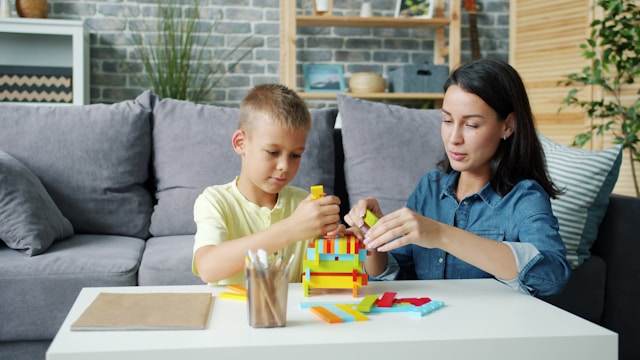
Understanding ABA Therapy
Applied behavioral analysis are research-supported approaches to behavior change and learning. Therapists document the needs of each child, then develop individualized schemes. ABA therapy for children in Phoenix emphasizes positive reinforcement and breaks down more complex skills into step-by-step teachable units. By practicing these steps regularly, children develop greater independence and confidence in everyday situations.
Developing Social Skills with Organized Tasks
Building relationships begins with social skills. In ABA therapy, children are slowly introduced to activities that help them practice eye contact, sharing, and taking turns. Often, these sessions also include role-playing and group games that simulate real-life scenarios. These activities encompass patience, teamwork, and even learning body language. Conversation skills develop over the years, as those same children learn to initiate conversations and receive responses from others.
Fostering Communication Growth
Communication extends beyond spoken words. ABA therapy addresses both verbal and non-verbal communication, with gesture exercises helping children practice how to physically and verbally express their needs, wants, and feelings. People who face speech difficulties may receive assistance through visual aids and communication devices. With regular practice, children can express their thoughts properly and comprehend others’ expressions effectively.
Encouraging Positive Behaviors
At the core of ABA therapy is the implementation of positive reinforcement. Therapists reinforce positive behaviors, like greeting others or using kind words. Children connect these actions with positive results, and therefore, they repeat them. Gradually, these habits become embedded in the child. This practice creates a sense of self-worth and drive to continue learning these social and communication skills.
Promoting Peer Interaction
Peer-to-peer interaction is where most learning occurs. ABA therapy often involves group sessions in which children develop skills in a supportive environment. They learn to resolve conflicts, to empathize, and to cooperate through guided play and group projects. This therapy helps get kids ready for school and to engage with the community. With these skills comes familiarity in dealing with other children, and as skills develop, kids become more accustomed to engaging others their age.
Adapting to Individual Needs
Each child has their own proclivities and struggles. ABA therapists adjust these programs based on a kid’s skills and interests. They closely monitor and constantly adjust strategies when they do not work. This personalized experience means that children receive the correct support every step of the way. Families also receive guidance on how to practice skills at home to enhance consistency and more enduring change.
Supporting Families and Caregivers
Family involvement is crucial to a child’s development. ABA therapists will train and provide resources to caregivers. Parents learn to reinforce positive behaviors and communication in the household. Consistent support across settings reinforces a child’s confidence and helps them generalize new skills. That collaboration between therapists and families helps create lasting progress.
Measuring Success and Celebrating Achievements
ABA therapy uses measurable goals and frequent evaluations to quantify progress. Therapists track whether the children are making improvements in areas such as conversation skills, eye contact, and following directions. Celebrating small milestones creates a win-win experience for children and families. Acknowledging progress provides motivation and persistence over time.
Preparing for Lifelong Social Success
Even after those early years of life, ABA therapy continues to offer a host of benefits. This therapy helps children develop social and communication skills that prepare them for the hardships to come. These skills help them connect with friends, do well at school, and be a part of the community. Children who develop essential skills can handle different circumstances and connections as they mature.
Conclusion
Applied behavior analysis therapy offers children tangible aids to develop social and communication skills. Family participation is integral here, where children gain self-assurance to successfully interact with others via planned activities and positive reinforcement. These abilities are the foundation for learning, relationships, and self-improvement over the course of a lifetime. Thoughtful support today helps children to achieve their best in all areas of life.










Add Your Comment