


Gardening with young children can be a magical experience that sparks curiosity, teaches responsibility, and fosters a love of nature. Whether you have a small balcony garden or a sprawling backyard, creating a space where your children can explore, play, and grow is an enriching experience for the whole family.
However, as much as we love spending time in our gardens, we also know that there are practical considerations, especially when you have young children. You want a garden that is safe, easy to maintain, and full of fun activities that can engage your little ones. With the right setup and tools, your garden can be a space for learning, creativity, and play — all while being safe and functional.
Making Safety a Priority
Before diving into the fun of planting and decorating, safety should be your top concern. Gardens, especially when children are involved, can present some hazards. Sharp tools, trip hazards, and the potential for toxic plants can all pose risks to young ones.
Start by making sure that any tools or garden equipment are stored safely out of reach. Invest in child-friendly gardening tools such as small watering cans, trowels, and spades. Keep larger tools like pruners, scissors, or garden shears securely locked away in a shed or storage area.
When it comes to water, hoses are often a significant part of the garden maintenance routine, but they can also be a tripping hazard for children who are just learning to walk or run. Using retractable hose reels can help keep the hose neatly stored and out of the way when it’s not in use. This not only makes your garden safer but also more organized, which is a relief for busy parents trying to juggle outdoor activities with other tasks.
Designing a Child-Friendly Garden
A kid-friendly garden should be one that encourages exploration and creativity while providing a safe and nurturing environment. Start by designing a garden area that is age-appropriate for your little ones.
If you have a toddler, a small patch of soft soil where they can dig, plant flowers, or simply play with toy gardening tools is a perfect addition. You can even create a dedicated area for them to “own” where they can learn the basics of planting and taking care of plants. For older children, consider adding raised beds where they can grow their own vegetables or flowers, which not only makes the garden fun but also educational.
Incorporating sensory elements can make the garden more engaging for young children. Kids are naturally curious and love to explore textures, smells, and sounds. Consider planting fragrant flowers like lavender or jasmine, adding wind chimes, or creating a sensory path with different textured stones or pebbles. These small additions help stimulate their senses and make the garden feel like a multi-sensory experience.
A Space for Play and Learning
While a garden is a great place for children to learn about nature and responsibility, it’s also a space for them to play and use their imagination. Incorporating a mix of practical and playful elements can make the garden both functional and enjoyable.
For younger children, a sandbox or small playhouse in the garden can provide hours of entertainment. You can also set up a small area for water play with a shallow basin or a DIY splash pad. If you have a larger outdoor space, a climbing frame, swing set, or even a treehouse can provide endless opportunities for physical activity and imaginative play.
Children can also learn a lot about the environment and where their food comes from by planting fruits, vegetables, or herbs. Start with easy-to-grow plants like tomatoes, strawberries, or carrots — these plants not only provide food but also teach kids about the importance of nature and sustainability.
Watering and Maintenance Made Easy
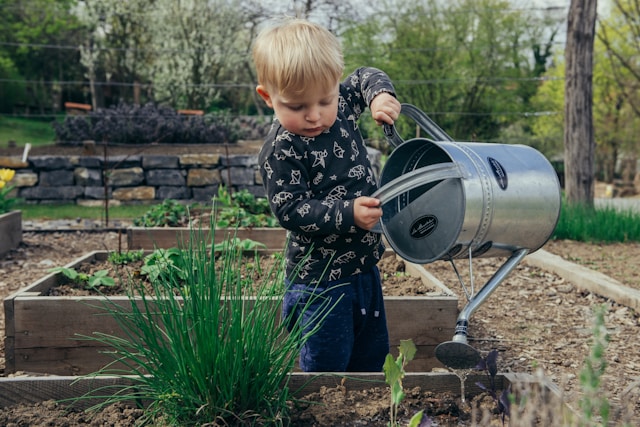
One of the joys of gardening is teaching children how to care for plants, and watering is a simple task that they can begin to learn early on. Toddlers can practice their watering skills using a small can, while older children can be responsible for watering specific areas of the garden.
However, when you have a garden with children running around, it’s essential to keep things tidy and safe. A retractable hose reel can be a practical solution for managing your garden hose. Not only does it keep the hose neatly stored, preventing it from becoming a tripping hazard, but it also ensures that the hose is always in good condition, without knots or tangles. This small addition can save time, making watering tasks easier and more efficient for busy parents.
Creating a Cozy Retreat
The garden can also serve as a peaceful retreat for the entire family. Whether it’s a space to enjoy meals outside or a quiet area for reading, consider adding furniture like a picnic table or a comfortable bench under a tree. Make sure the seating area is shaded, and add cushions or blankets for extra comfort.
If your children enjoy drawing or crafting, you can provide an outdoor easel or a small table where they can express their creativity. You could even set up a cozy reading nook with blankets, cushions, and their favorite books.
By making your garden a comfortable and welcoming space, you encourage your children to spend more time outdoors, fostering their love of nature and providing a wonderful environment for family bonding.
Final Thoughts
Gardening with kids is an enriching experience that helps teach valuable lessons about nature, responsibility, and sustainability. By designing a child-friendly garden that prioritizes safety, play, and learning, you create a space where your little ones can explore, grow, and have fun. Whether it’s planting flowers, playing in a sandbox, or simply enjoying the beauty of nature, a well-thought-out garden can become the heart of your home, fostering a sense of wonder and creativity that lasts a lifetime.











Add Your Comment