


Creating the Perfect Sleep Environment for Your Kids
As parents, we know that good sleep is vital for our children’s health and well-being. It affects everything from their mood to their ability to concentrate and even how their bodies grow and develop. But creating the perfect sleep environment for your kids isn’t always as straightforward as setting a bedtime. It requires a few thoughtful tweaks in their surroundings. From the room temperature to the level of light and noise, everything plays a role in how well they sleep.
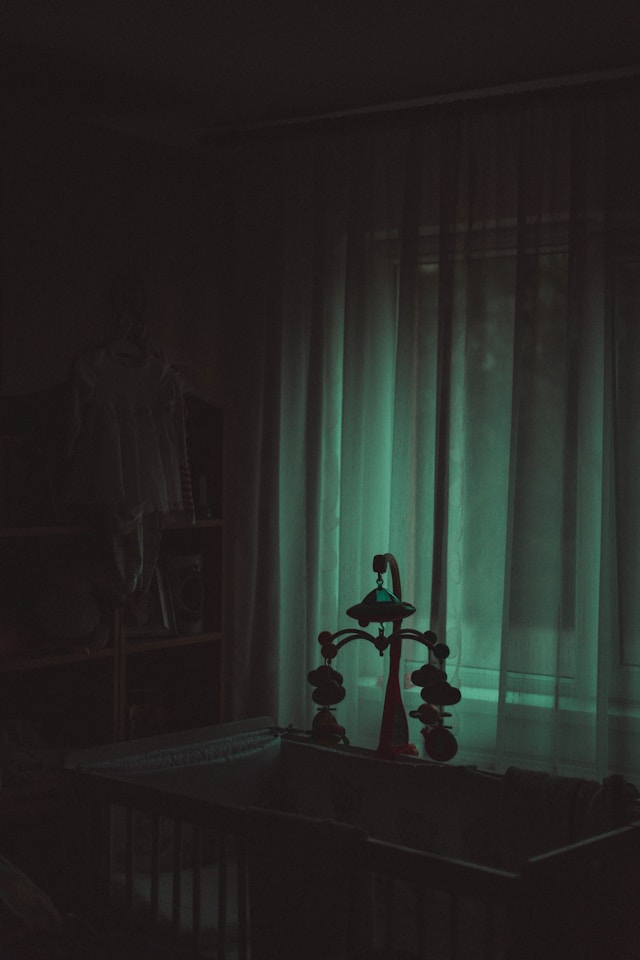
Many parents don’t realize how much light and sound from the hallway can affect their kids’ sleep. Simple solutions like door seals bottom can help block out light that sneaks in under the door, creating a darker, quieter space for them. If you haven’t already tried it, you’d be surprised at how much this small change can improve the quality of sleep for your little ones, especially if you tend to stay up later than they do.
Why Sleep Quality Matters More Than Sleep Quantity
It’s easy to assume that the more hours your kids sleep, the better. While sleep duration is important, the quality of that sleep matters even more. Sleep helps children grow, repair their bodies, and process new information. Poor-quality sleep can lead to irritability, lack of focus, and even behavioral issues. So, if your child is in bed for a solid 10 hours but keeps waking up throughout the night, it might be time to look at their sleep environment and see what adjustments can be made.
Creating a space that promotes restful sleep allows kids to enter the deeper stages of sleep, where their bodies do most of the healing and restoring. When the environment is just right—comfortable, quiet, and dark—they’re more likely to stay asleep and reap the full benefits of that time.
The Right Room Temperature
Temperature is a key player in sleep quality. A room that’s too hot or too cold can disrupt your child’s ability to fall asleep or stay asleep. Experts recommend keeping the room temperature between 65°F and 70°F for the most comfortable sleep.
If your child’s room tends to get too warm or chilly during the night, consider investing in a room thermometer and adjusting the thermostat accordingly. Lightweight, breathable blankets and sleepwear will help regulate body temperature as well. Keeping your child at a comfortable temperature will ensure they stay asleep longer and wake up feeling rested.
Keeping Drafts Out
Drafts can be a major disruption to your child’s sleep, especially during the colder months. Those cold gusts of air slipping through cracks around windows or doors can make them uncomfortable or even wake them up in the middle of the night. One of the easiest ways to stop drafts is by adding weatherstripping to the bottom of windows and doors to block out any cold air from entering the room. Not only does this keep the temperature stable, but it also makes the room cozier and more conducive to restful sleep.
Darkness Is Your Friend
When it comes to sleep, darkness is essential. Light disrupts the production of melatonin, the hormone responsible for regulating sleep. If the room isn’t dark enough, your child might struggle to fall asleep or stay asleep throughout the night.
Children, especially younger ones, need a dark environment to get the deep, restorative sleep they need. It’s not just about blocking out the light from outside—it’s also about creating an atmosphere where they can fully relax and drift off into a peaceful slumber.
Blocking Light from Hallways and Bathrooms
One common problem many parents face is the light seeping in from hallways or bathrooms. Even a small amount of light can interfere with your child’s sleep cycle. Door seals at the bottom can help prevent light from coming in under the door. Additionally, consider placing blackout curtains on the windows and even using door snakes or other light-blocking accessories.
By minimizing light exposure, you’re helping your child’s body naturally regulate its sleep patterns. It’s a simple solution that can make a world of difference in their ability to rest soundly.
Choosing the Right Blackout Curtains
Speaking of light, choosing the right blackout curtains is key to creating that perfect sleep environment. These curtains are designed to block out almost all external light, which is especially important for children who need the room to be as dark as possible to sleep soundly.
Pick curtains that are thick, made of quality fabric, and fit snugly around the edges of the window. A good set of blackout curtains can also help with soundproofing, which brings us to our next important factor: managing noise.
Managing Household Noise
For many parents, one of the biggest challenges is noise. Whether it’s the sound of the television, the dishwasher running, or siblings playing, noise can easily disrupt your child’s sleep. It can be tough to keep things quiet when the rest of the house is awake.
Fortunately, there are plenty of ways to manage noise and create a peaceful environment, even if the rest of the family is still up and about.
White Noise Machines
One of the best tools for combating household noise is a white noise machine. These devices create a consistent, soothing sound that drowns out background noise. White noise is known for helping children (and adults!) fall asleep faster and stay asleep longer.
Whether it’s the hum of a fan, the sound of rain, or a gentle lullaby, white noise can help mask the sounds of the world around them. It’s a great option if you have a busy household or live in a noisy neighborhood.
Sound Barriers Between Rooms
If you live in a multi-bedroom house, you might want to consider adding some soundproofing measures to the walls between rooms. Adding extra insulation, soundproof drywall, or acoustic panels can help reduce the noise that travels from one room to another. This is especially helpful if you have older children who need a quiet space to do homework or rest during the day.
Even simple measures like adding rugs, thick curtains, and upholstered furniture can absorb sound and prevent it from bouncing around the room. Creating a sound barrier helps keep the bedroom a quiet sanctuary where your child can get the peaceful sleep they need.
Creating a Calming Bedtime Routine
A calming bedtime routine can make a world of difference in how quickly your child settles down for the night. The key is consistency. Children thrive on routine, and having a set of calming activities before bed signals to their body that it’s time to wind down.
Start with a relaxing activity that doesn’t involve screens—reading a book, taking a warm bath, or simply talking about the day can all help prepare your child for sleep. Keep the atmosphere quiet and soothing, and avoid activities that are too stimulating. This routine helps your child transition from the busyness of the day to the calmness of bedtime.
It’s also important to make sure that their room is ready for sleep. Dim the lights, adjust the room temperature, and keep noise levels low. With these steps, your child’s body and mind will naturally start to relax and get into sleep mode.
What Worked for Our Family
As a parent, I’ve experimented with different ways to help my children sleep better, and over time, I’ve discovered what truly works for us. One of the best changes we made was investing in soundproofing elements for their rooms. We added door seals to block out light and reduce noise, and it made a noticeable difference in the quality of their sleep. It’s a small investment with a huge payoff.
We also adopted a simple bedtime routine—nothing fancy, just a warm bath, followed by a short story, and soft music. This has worked wonders, especially for my younger child, who struggled with falling asleep without a bit of extra comfort.
Another tip that helped us was setting up a white noise machine in their rooms. I can’t recommend this enough, especially if you live in a noisy area. The white noise not only masks unwanted sounds but also helps create a peaceful atmosphere for sleep.
All in all, the combination of a quiet room, the right temperature, and a consistent bedtime routine has made a big difference in our household. My kids now sleep soundly, and so do I.
By making small adjustments to their sleep environment, we’ve been able to create a space that promotes restful, uninterrupted sleep—something every parent knows is priceless.











Add Your Comment