


Every parent wants to raise a child who is confident, curious, and capable of navigating an increasingly complex world. While formal education plays a crucial role in shaping a child’s future, one of the most powerful and often underestimated tools for development is play. Play is not just entertainment—it is the foundation of learning. Through play, children explore their environment, develop cognitive abilities, and build essential life skills that shape their personalities and future success.
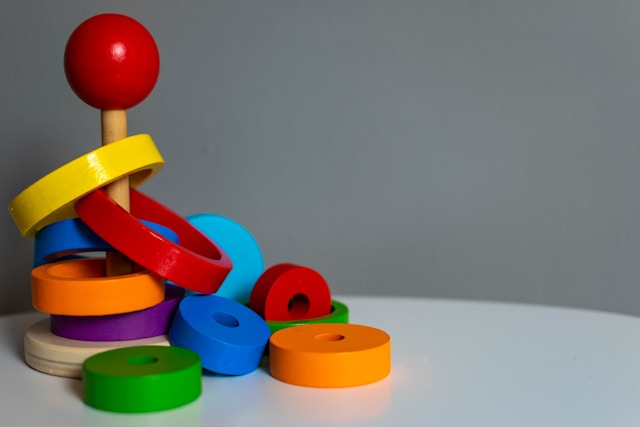
Educational toys serve as a bridge between fun and learning. Unlike traditional toys that focus solely on amusement, educational toys are intentionally designed to stimulate the brain, encourage creativity, and foster problem-solving skills. In 2026, the importance of these toys has grown significantly as parents become more aware of the long-term impact of early childhood development.
With increasing concerns about excessive screen time and passive entertainment, families are shifting toward screen-free, hands-on play experiences. Educational toys now emphasize tactile learning, open-ended exploration, and real-world skill development. Whether it is a simple set of stacking blocks or a complex robotics kit, the right toy can influence how a child thinks, learns, and grows.
This comprehensive guide will help you understand why educational toys matter, how to choose the right ones for your child, and how to create a balanced play environment that supports holistic development.
The “Busy but Bored” Dilemma: Why Most Toys Fail
One of the most common challenges parents face is finding toys that truly engage their children. Many modern toys are designed to entertain quickly but fail to hold a child’s interest for long. These toys often rely on lights, sounds, and automated features that require minimal interaction from the child.
At first glance, these toys seem effective. They capture attention instantly and keep children occupied for short periods. However, this engagement is often superficial. Once the novelty wears off, children lose interest because there is no deeper level of interaction or challenge.
This leads to what can be described as the “busy but bored” dilemma. Children may appear occupied, but they are not mentally stimulated. They are passive participants rather than active learners. Over time, this can impact their ability to focus, think critically, and engage in meaningful activities.
The root of the problem lies in the design of these toys. When a toy performs all the actions—talking, moving, and entertaining—the child has little opportunity to think, imagine, or create. This reduces the potential for learning and limits cognitive development.
In contrast, educational toys require active participation. They challenge children to think, experiment, and solve problems. Instead of providing instant gratification, they encourage persistence and exploration, which are essential for long-term growth.
Why Passive Toys Slow Development
The early years of a child’s life are critical for brain development. During this period, neural connections are formed at an astonishing rate. These connections are strengthened through experiences, particularly those that involve active engagement.
Passive toys and excessive screen time can disrupt this process. When children engage with passive entertainment, they receive information without having to process or respond to it actively. This limits the development of important cognitive skills such as problem-solving, memory, and attention.
Additionally, passive play often lacks sensory stimulation. Hands-on activities, such as building, sorting, and creating, provide tactile feedback that helps develop fine motor skills and spatial awareness. Without these experiences, children may struggle with tasks that require coordination and precision.
Another important aspect is emotional development. Active play often involves trial and error, which teaches children how to handle frustration and build resilience. Passive toys, on the other hand, rarely provide opportunities for failure or problem-solving, which are essential for emotional growth.
By replacing passive toys with educational alternatives, parents can create an environment that supports both cognitive and emotional development.
The Power of Skill-Building Play
Skill-building play is the foundation of effective learning. It transforms playtime into an opportunity for growth by encouraging children to think, explore, and create. Educational toys are designed with this purpose in mind.
One of the key benefits of skill-building play is the development of critical thinking. When children engage with puzzles, construction sets, or science kits, they are required to analyze situations, make decisions, and solve problems. These activities strengthen their ability to think logically and independently.
Another important benefit is creativity. Open-ended toys, such as building blocks or art supplies, allow children to use their imagination and create something unique. This fosters innovation and helps children develop a sense of individuality.
Skill-building play also promotes perseverance. Unlike passive toys that provide instant results, educational toys often require effort and patience. Children learn that success comes from trying, failing, and trying again. This mindset is essential for achieving goals in any area of life.
Furthermore, educational toys help develop social skills. Many of these toys encourage collaborative play, where children work together to achieve a common goal. This teaches communication, teamwork, and empathy.
Top Educational Toy Categories for 2026
- STEM and Engineering Toys
STEM toys focus on science, technology, engineering, and mathematics. These toys are designed to introduce children to complex concepts in a simple and engaging way.
Engineering toys, such as building kits and mechanical models, help children understand how things work. They encourage experimentation and problem-solving, which are essential skills in today’s technology-driven world.
Robotics and coding toys are becoming increasingly popular. These toys teach children the basics of programming and logical thinking, preparing them for future careers in technology.
- Montessori and Sensory Toys
Montessori educational toys are based on a philosophy that emphasizes independence and self-directed learning. These toys are typically simple in design and focus on one skill at a time.
Sensory toys, such as textured objects and sorting tools, help children develop their senses and improve coordination. They are particularly beneficial for younger children who are exploring the world through touch and movement.
- Language and Literacy Toys
Language development is a critical aspect of early childhood education. Toys that focus on reading, writing, and communication help children build vocabulary and improve their understanding of language.
Examples include alphabet boards, storytelling kits, and interactive books. These tools make learning enjoyable and encourage children to develop a love for reading.
- Creative and Artistic Toys
Creative toys allow children to express themselves and explore their imagination. Art supplies, craft kits, and musical instruments are excellent examples.
These toys not only enhance creativity but also improve fine motor skills and emotional expression. They provide a safe outlet for children to explore their feelings and ideas.
- Problem-Solving and Strategy Toys
Puzzles, board games, and logic-based toys are designed to challenge the mind. They require children to think critically and develop strategies to achieve a goal.
These toys are beneficial for both individual and group play. They help children develop patience, focus, and decision-making skills.
Choosing the Right Toy by Development Stage
Selecting the right toy depends on a child’s age, interests, and developmental stage. Understanding these factors can help parents make informed decisions.
Babies (0–18 Months): Sensory Exploration
At this stage, babies learn through their senses. Toys with bright colors, different textures, and simple movements are ideal. Rattles, soft blocks, and sensory mats help stimulate their developing brains.
Toddlers (2–4 Years): Exploration and Discovery
Toddlers are naturally curious and love to explore. Toys that involve stacking, sorting, and building are perfect for this stage. These activities help develop motor skills and introduce basic concepts such as shapes and numbers.
Preschoolers (4–6 Years): Imagination and Role Play
Preschoolers enjoy imaginative play and storytelling. Toys that allow them to pretend and create scenarios are highly beneficial. These activities help develop social skills and emotional intelligence.
School-Age Children (7+ Years): Logic and Innovation
Older children are ready for more complex challenges. Science kits, robotics toys, and advanced puzzles provide opportunities for deeper learning. These toys help children develop analytical thinking and problem-solving skills.
Quick Comparison: Finding the Best Learning Toy
Different types of educational toys offer unique benefits. Understanding these differences can help parents choose the most suitable options.
Coding and robotics toys are ideal for developing logical thinking and preparing children for future technology-related skills.
Montessori toys are best for fostering independence and improving focus in younger children.
Science kits encourage curiosity and help children understand the world around them.
Puzzles and strategy games are excellent for building patience and critical thinking skills.
STEM vs. Montessori: Which Approach Is Better?
Many parents struggle to decide between STEM and Montessori toys. The truth is that both approaches are valuable and complement each other.
Montessori toys focus on foundational skills such as coordination, concentration, and independence. They are ideal for younger children who are just beginning to explore their environment.
STEM toys, on the other hand, focus on applied skills such as problem-solving and logical thinking. They are more suitable for older children who are ready to tackle complex challenges.
A balanced approach that includes both types of toys can provide a well-rounded learning experience.
The Role of Parents in Play-Based Learning
Parents play a crucial role in shaping their child’s play environment. While educational toys provide the tools, it is the guidance and support of parents that make the experience meaningful.
One important aspect is creating a safe and stimulating environment. Children should have access to a variety of toys that encourage different types of play.
Parents should also be actively involved in playtime. Engaging with children, asking questions, and encouraging exploration can enhance the learning experience.
At the same time, it is important to allow children to play independently. This helps them develop confidence and problem-solving skills.
Balancing Screen Time and Physical Play
In today’s digital age, completely eliminating screens is not realistic. However, it is important to maintain a healthy balance between screen time and physical play.
Educational toys provide a valuable alternative to digital entertainment. They encourage children to engage with the physical world and develop important skills that cannot be learned through screens alone.
Setting limits on screen time and encouraging hands-on activities can help create a balanced and healthy lifestyle.
Long-Term Benefits of Educational Toys
Investing in educational toys has long-term benefits that extend beyond childhood. These toys help children develop skills that are essential for success in school and life.
Children who engage in skill-building play are more likely to develop strong problem-solving abilities, creativity, and resilience. These qualities are important for academic achievement and future careers.
Educational toys also help build confidence. When children successfully complete a task or solve a problem, they gain a sense of accomplishment that motivates them to continue learning.
Final Thoughts: Investing in Your Child’s Future
Educational toys are not just products—they are tools that shape a child’s development. By choosing toys that encourage active engagement, creativity, and problem-solving, parents can provide their children with a strong foundation for the future.
In a world that is constantly evolving, the ability to think critically, adapt, and innovate is more important than ever. Educational toys play a key role in developing these skills.
By prioritizing meaningful play, parents can ensure that their children grow into confident, capable individuals who are ready to face the challenges of the future.











Add Your Comment