


Thyroid eye disease is not one that develops in sudden episodes, but rather less dramatically in less obvious ways. Threading the needle! Being aware of these warning signs early on can make a big difference. Early attention facilitates early access to care prior to symptomological deterioration. Recognizing these first signs is a big step in protecting not only your eyes but also your overall health.
Changes in Eye Appearance
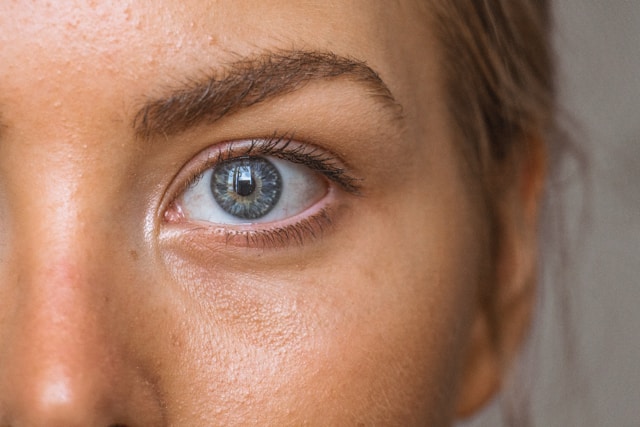
Noticing a change in the look of the eye is one of the earliest signals. They could have eyes starting to look bigger or bulging. This change in look can take a few years, and you’re unlikely to see it without comparing new and old pictures of your face. Relatives or friends may be the first to spot these differences. Choosing a hyperhidrosis treatment specialist, NYC ensures individuals receive expert guidance on both medical and lifestyle approaches to managing symptoms.
Puffy Swelling of the Eyes
Short summary. If the skin around the eyelid is constantly red or puffy, such symptoms may also mark the start of thyroid eye disease. It may impact both eyes or one eye that frequently gets worse in the morning. These symptoms often are bothersome, leading to eye rubbing or cold-compress treatment.
Dryness and Grittiness
An earlier and more common warning sign is when you start to feel dryness or grittiness in your eyes. This sensation frequently involves sand in the eyes, rendering blinking painful. You might find temporary relief with over-the-counter lubricating drops, but the feeling always comes back, which tells us that something deeper is going on.
Sensitivity to Light
Photophobia, or sensitivity to light, is another early indication. Bright lights or sunshine can become unbearable, causing squinting or avoiding brightly lit environments. But this discomfort may interfere with daily activities, including reading, driving, or working on a computer.
Excessive Tearing or Watery Eyes
Others say their eyes are watering more than usual for no apparent reason, even without an emotional trigger or cold weather. Irritation or an inability to close the eyelids completely can cause excessive tearing. It is sometimes confused with allergies, but it does not respond to standard allergy treatments.
Double Vision or Blurred Vision
In the early stages of thyroid eye disease, the muscles that control the movement of the eyes may become involved. Sometimes the condition leads to double vision or blurriness (mostly when looking up, down, or side-to-side). The vision changes can be temporary, but as the disease progresses, they become more frequent.
Eye Pain or Discomfort
Another common early symptom is pain in or around the eyes. This unpleasant feeling may increase while the eyes are in motion or when someone tries to gaze at nearby objects. Some people describe a droning ache, and others a sharp pain that comes and goes.
A Feeling of Pressure
Others mention feeling like their eyes are being “pushed from behind,” adding pressure or fullness instead. It is not painful, but it may cause a bunching-up feeling in the brow or forehead area. It can sometimes be easier to feel when you lie down or bend forward.
Difficulty Moving the Eyes
Before a major alignment problem develops, mild stiffness in eye movements is sometimes detectable. This imperfect movement can cause strain or fatigue if a person often needs to look around to acquire information. Unless specifically tested for in an examination, this minor limitation may go undetected.
Changes in Eyelid Position
The eyelids may recede, drawing back to expose more of the sclera. Moving to this position would provide a shocked or surprised look. Changes, however, are usually gradual and need to be studied carefully to be recognized.
When to Seek Medical Advice
If any of these early symptoms seem to appear in you or others, it is important to contact a healthcare provider. Prompt management can prevent complications, and thus, early evaluation is critical. Early detection leads to better treatment, which in turn lowers the likelihood of developing permanent changes to vision or discomfort.
Conclusion
Thyroid eye disease does not happen all at once; the very early warning signs seem very small and insignificant but contain an incredible amount of meaning. Monitoring changes in comfort and the appearance or function of the eye permits timely action. In fact, timely action can save vision, relieve pain, and enhance quality of life. And, as always, staying aware and alert to these familiar, but important, shifts.











Add Your Comment