


According to the American Dental Association’s 2024 data, dental implants have a success rate exceeding 95% when properly planned and executed — yet most patients underestimate the full timeline by several months. As implant technology advances and more practitioners offer immediate placement options, the gap between patient expectations and clinical reality continues to create confusion about what the process actually involves.
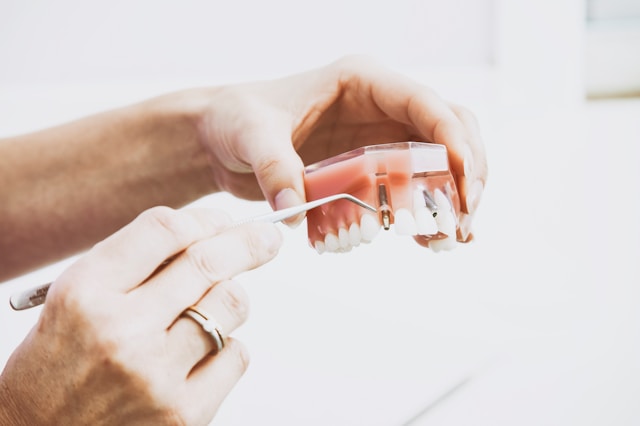
For the estimated 3 million Americans who receive dental implants each year, understanding the week-by-week progression makes the difference between realistic preparation and frustrating surprises. The timeline isn’t just about the surgery itself — it’s about coordinating healing phases, managing expectations during osseointegration, and planning around the biological processes that determine long-term success. Whether you’re considering a single tooth replacement or multiple implants, knowing what happens when helps you prepare for temporary dietary changes, plan time off work, and understand why rushing the process compromises outcomes.
Here’s how the dental implant journey unfolds from consultation through final restoration, and why each phase matters for creating a foundation that can last decades.
What Happens Each Week During the Dental Implant Process
The dental implant timeline follows a predictable pattern driven by biological healing rather than convenience. Most patients need 3-6 months from start to finish, though this varies significantly based on individual factors and whether additional procedures are required.
Weeks 1-2: Consultation and planning begin with comprehensive imaging, often including CT scans to evaluate bone density and structure. Your dentist maps the implant placement using digital guides, and you’ll receive detailed pre-operative instructions. If you’re a candidate for immediate placement, extractions and implant surgery occur during week 2. For delayed placement cases, extractions happen first with healing scheduled before implant surgery.
Weeks 3-4: Initial healing focuses on soft tissue recovery if extractions were performed, or early implant integration for immediate placement cases. Patients follow modified diets and specific oral hygiene protocols. Swelling peaks around day 3-4 and gradually subsides. Follow-up appointments monitor healing progress and address any concerns.
Weeks 5-16: Osseointegration represents the critical phase where bone grows around and bonds with the implant surface. This process can’t be accelerated and determines the implant’s long-term stability. Most patients return to normal eating habits during this period, though hard foods near the implant site remain off-limits.
Weeks 17-20: Abutment placement and impression taking occur once integration is confirmed through clinical examination and sometimes additional imaging. The final restoration process begins with detailed impressions for crown fabrication.
Weeks 21-24: Final restoration involves crown placement and bite adjustments. Most patients complete the process within 6 months, though complex cases requiring bone grafts or multiple implants may extend this timeline considerably.
What Are the Key Surgical and Preparation Stages
Understanding the surgical components helps explain why the timeline unfolds as it does. Each stage builds on the previous one, and skipping steps or rushing healing compromises the entire foundation.
The initial consultation involves more than just examining your mouth. Modern implant planning requires 3D imaging to assess bone volume, proximity to nerves and sinuses, and optimal implant positioning. Digital treatment planning software allows your dentist to virtually place implants before surgery, creating surgical guides that improve precision and reduce procedure time. This planning phase typically takes 1-2 weeks and directly impacts surgical success.
Tooth Extraction and Bone Grafting Timeline
When existing teeth need removal before implant placement, extraction healing adds 6-12 weeks to your timeline. The extraction site requires complete soft tissue healing and initial bone formation before implant surgery can proceed safely. Rushing this phase increases infection risk and can lead to implant failure.
Bone grafting extends timelines further but often determines whether implants are possible. If your jawbone lacks sufficient volume or density, grafting procedures rebuild the foundation needed for stable implant placement. Major grafts may require 4-6 months of healing before implant surgery, though minor grafts performed during extraction can reduce this to 8-12 weeks.
Dental Implant Placement Surgery Explained
The actual implant placement typically takes 1-2 hours per implant and involves precise drilling and implant insertion into the prepared site. Immediate placement cases where healthy bone surrounds the extraction socket can significantly compress timelines, sometimes allowing crown placement within 8-12 weeks instead of the standard 4-6 months.
However, immediate placement requires ideal conditions: adequate bone density, absence of infection, and primary implant stability achieved during surgery. When these criteria aren’t met, delayed placement provides more predictable outcomes. The surgical technique itself — whether traditional drilling protocols or newer approaches like osteotomy preparation — influences healing timelines and success rates. Most practitioners now use implants with specially treated surfaces that promote faster osseointegration while maintaining long-term stability.
How Healing and Recovery Influence the Timeline
Biological healing drives every aspect of the implant timeline, and understanding these processes helps explain why certain phases can’t be shortened. The bone-implant integration that occurs during osseointegration determines whether your implant will last decades or fail within years.
Osseointegration begins immediately after implant placement but reaches functional stability over 8-16 weeks. During this period, specialized bone cells called osteoblasts migrate to the implant surface and begin forming new bone tissue that mechanically bonds with the titanium or zirconia implant material. This process requires adequate blood supply, appropriate loading forces, and absence of infection or excessive movement.
The healing timeline varies significantly between individuals based on age, overall health, bone density, and lifestyle factors. Younger patients with healthy bone typically complete osseointegration faster than older patients or those with conditions affecting bone metabolism. Smoking dramatically extends healing times and increases failure risk by reducing blood flow to the surgical site.
During the integration phase, patients must avoid disturbing the surgical site while maintaining oral hygiene in surrounding areas. Temporary restrictions on chewing hard foods protect the developing bone-implant interface from excessive forces that could disrupt healing. Most patients can return to normal activities within a few days but need to modify their diet for several weeks.
Clinical evaluation at 3-4 months determines integration success through stability testing and sometimes radiographic examination. Successfully integrated implants feel solid and show no mobility when tested. Failed integration requires implant removal, additional healing time, and often bone grafting before attempting replacement. This is why patients considering options to replace one tooth with implants benefit from understanding realistic healing expectations from the start.
Abutment placement marks the transition from healing to restoration phases. This minor procedure exposes the implant and attaches the connector piece that will support your final crown. Some systems allow abutment placement during initial surgery, while others require a second procedure after osseointegration. The approach depends on implant type, bone quality, and esthetic requirements.
What Factors Can Change the Dental Implant Timeline
Several patient-specific and clinical factors can significantly alter the standard implant timeline, sometimes doubling or tripling the expected duration. Understanding these variables helps set realistic expectations and avoid disappointment when your case requires additional time.
Bone quality represents the most significant timeline variable. Dense, healthy bone provides immediate implant stability and promotes faster osseointegration, potentially reducing the process by 4-8 weeks. Poor bone quality requires longer healing periods and sometimes additional grafting procedures that can extend timelines by several months. Your dentist evaluates bone density during the planning phase and adjusts treatment recommendations accordingly.
Systemic health conditions affect healing capacity and timeline predictability. Diabetes, osteoporosis, autoimmune disorders, and medications affecting bone metabolism can slow integration and increase complication risk. Patients with controlled diabetes typically heal normally, but uncontrolled blood sugar levels significantly impair healing and increase infection risk. Similarly, medications like bisphosphonates used for osteoporosis treatment require special protocols and may extend healing phases.
Smoking remains the most controllable factor affecting implant success and timeline. Nicotine reduces blood flow to healing tissues, delays osseointegration, and increases infection risk. Studies show implant failure rates 2-3 times higher in smokers compared to non-smokers. Many practitioners require smoking cessation for several weeks before and after surgery to optimize outcomes.
Surgical approach variations also influence timing. Computer-guided implant surgery using digital planning can reduce surgical time and improve precision, potentially accelerating healing. Minimally invasive techniques that preserve more surrounding tissue often heal faster than traditional approaches. However, immediate loading protocols that place temporary crowns at the time of surgery require ideal conditions and aren’t suitable for all patients.
The number and location of implants being placed affects timeline complexity. Single tooth replacement in healthy bone represents the simplest scenario with the most predictable timeline. Multiple implants, especially in the esthetic zone or areas requiring grafting, involve more complex treatment sequencing and longer overall timelines.
How Post-Procedure Care Supports Implant Longevity
The investment in understanding your implant timeline pays dividends during the maintenance phase, where proper care routines determine whether your implants last decades or require early intervention. Post-procedure care begins immediately after surgery and evolves as healing progresses.
Immediate post-surgical care focuses on controlling swelling, managing discomfort, and protecting the surgical site. Ice applications during the first 24-48 hours minimize swelling, while prescribed medications manage pain and prevent infection. Specific oral hygiene instructions typically include gentle rinsing with saltwater or prescribed mouth rinses while avoiding direct brushing of the surgical site for the first week.
As healing progresses, oral hygiene protocols become increasingly important for long-term success. Implants themselves can’t develop cavities, but the surrounding gum tissue and bone remain susceptible to bacterial infection. Peri-implantitis, an inflammatory condition affecting implant-supporting tissues, represents the primary long-term complication and can lead to implant loss if untreated.
Effective implant maintenance requires tools and techniques beyond standard tooth brushing. Interdental brushes, water flossers, and specialized implant floss help clean around abutments and crown margins where bacteria accumulate. Many patients benefit from antimicrobial mouth rinses, especially during the first months after restoration placement when tissues are still adapting.
Professional maintenance involves regular hygiene visits with instruments designed specifically for implant surfaces. Traditional metal scalers can damage implant surfaces, so hygienists use plastic or carbon fiber instruments to remove plaque and calculus buildup. The frequency of professional cleanings may increase during the first year as healing completes and long-term maintenance routines establish.
Long-term implant success also depends on managing mechanical factors like grinding or clenching that can overload the implant-bone interface. Night guards protect against excessive forces during sleep, while regular bite adjustments ensure proper load distribution across multiple implants or between implants and natural teeth.
The timeline you invest in proper implant placement sets the foundation for decades of function, but daily maintenance habits determine whether you achieve that potential. Patients who commit to thorough home care and regular professional maintenance typically see their implants last 20-30 years or longer, making the initial time investment one of the most valuable decisions for long-term oral health.










Add Your Comment