


The truth is, choosing the right bedding for your child isn’t as simple as purchasing the cutest set on the shelf. Kids can be fairly opinionated about what they like and don’t like, and are always somehow too hot or too cold during the night. But bedding plays a significant role in how well we all sleep at night, so it is essential to get it right.
From climate-smart mattresses and natural kids flannelette sheets to thermal curtains and proper room insulation, ensuring your children’s rooms maintain a warm and comfortable temperature will work wonders in supporting safer, more restful sleep.
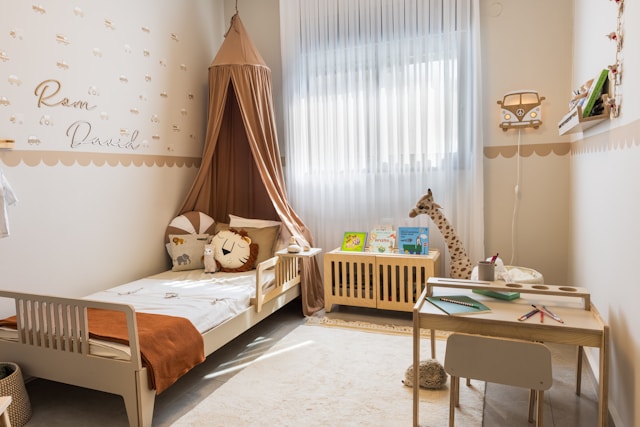
Bedding for Bed Types
As your child gets older and moves from their crib to toddler beds, to a ‘big kid’ bed, their bedding needs and options will also change.
Toddler Beds
For kids who are transitioning from a crib to a toddler bed, zipper bedding is a fantastic option. Not only does it make maintaining their bed linen more manageable and convenient, especially if you find yourself regularly changing it during stints of potty training or bed wetting, but it can also encourage them to learn how to make their beds on their own.
It is important to remember that children under the age of three should not use zippered bedding for safety concerns. For kids between the ages of three and five, at least one side of their zipper bedding should be fully unzipped.
‘Big Kid’ Beds
Once your child has made the transition to a big kid bed, you can expect them to be in this stage for a longer period. This makes it easier to invest in linen for long-term use, so it is worth choosing good-quality, natural fabrics that may be on the more expensive side but will guarantee a comfortable, undisturbed night’s sleep.
Winter Bedding Tips
Ideally, your child’s bedroom should be between 18 and 22 degrees to create a comfortable sleeping environment. But chilly winter weather and unwanted draughts can make it difficult to maintain this cozy environment. However, there are several steps you can take to ensure they stay warm and comfortable as temperatures drop.
Layers
Similar to building a warm, winter outfit, layers are key to building a cozy, winter bed. Heating pads are generally not advisable for babies, toddlers, and young children due to an increased risk of burns and overheating, but older children can benefit from a heating blanket used for 30-40 minutes before getting into bed.
Opt for a thick, winter sheet made using natural materials like linen or cotton for added warmth and a soft, skin-friendly base. If you decide to include a middle-layer blanket under a duvet, select a lightweight, breathable quilt or blanket that adds valuable insulation without weighing everything down. Your final layer can be a fluffy, warm duvet, with a throw at the foot of the bed to cover cold feet or legs without overheating the whole body.
The Right Sleepwear
Your bed can only do so much if your sleepwear is working against you. The ideal choice is fabrics that are warm and soft but very breathable, so your children don’t wake up in the middle of the night feeling chilly or sweaty.
The best options are fabrics like thermal cotton, flannel, and soft knits, especially if you find your home gets colder than you would like at night. These fabrics do a fantastic job of holding warmth close to the body without feeling heavy or restrictive.
Climate-Smart Mattress & Natural Bedding
Choosing the right mattress is an important part of keeping your child warm at night. Thanks to modern technology, climate-smart mattresses are a fantastic investment that can be adapted to suit the weather outside. They are specially designed to have a cooling, summer-friendly side and a cosy, winter-appropriate side. Simply flip it over as needed to maintain constant comfort.
Alongside a seasonally-appropriate mattress, it is important to choose bedding in the right materials to ensure your little ones stay cozy throughout winter. Natural fibres, like cotton and linen, will keep them warm whilst remaining extremely breathable, allowing proper airflow to prevent them from getting too sweaty overnight.
Thicker Duvets
During winter, you may want to switch your child’s duvet for a thicker option. Toddlers should always start with a light duvet of up to 4.5 tog, which can be increased as they get older. Children from 10 and up can increase to 10.5 tog.
Instead of switching to a heavier duvet for winter, opt for a warm winter blanket that can be added to their bedding to keep them warm and comfortable while maintaining a safe sleep environment, especially for smaller kids.
Insulate the Room
One of the quickest and simplest ways to lose heat in a room is through unwanted gaps under doors or around ill-fitting window frames. Combat this heat loss by placing a draught excluder under the door and a self-adhesive draught excluder tape, or winter strips, around the window frames to plug gaps.
You can also purchase window insulating film to serve as an additional barrier for added insulation, especially if your windows are single-glazed. Alternatively, you can install thick thermal curtains in your kid’s room to trap warmth while preventing light from leaking in and potentially disturbing their sleep.










Add Your Comment