


Exterior shutters are a defining element of a home’s architectural character. Historically, shutters served a vital protective purpose, shielding windows from storms, providing security, and controlling light and ventilation. Today, while modern windows have diminished the need for their functional role, the aesthetic power of shutters remains undiminished.
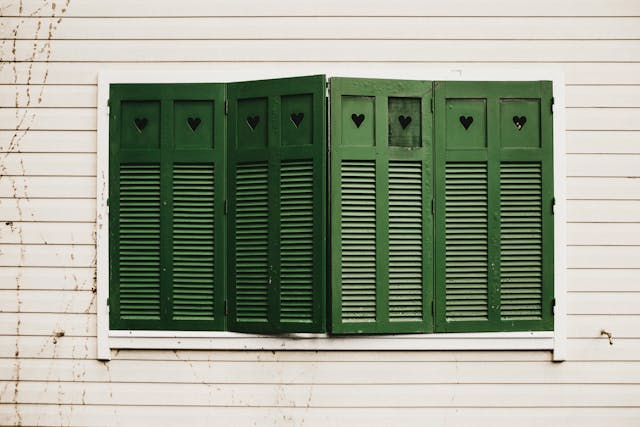
However, selecting the right shutters requires a careful balance, ensuring they complement the home’s architectural style while meeting the homeowner’s practical and aesthetic goals. A successful choice can harmonize with the home’s era, scale, and color palette, creating a cohesive and polished exterior.
Read on to learn some tips for choosing exterior shutters that match style and function.
Understanding Shutter Styles and Architectural Harmony
The first and most critical step in selecting shutters is aligning their style with the home’s architectural design. An inappropriate shutter style can clash with the home’s character, undermining its curb appeal. Below are some shutter styles to consider:
Paneled Shutters
Featuring raised or flat panels, this style is a classic choice for traditional homes. They’re ideally suited for Colonial, Federal, Georgian, and Cape Cod-style houses. The number of panels can indicate a specific era. For instance, a single panel is typically seen on Victorian homes, while four panels are a hallmark of classic New England Colonials.
Louvered Shutters
Characterized by their angled slats, louvered shutters are incredibly versatile. They allow for air circulation while providing privacy and shade, a nod to their functional origins. This style works well with a wide range of homes, from Southern Colonial and Greek Revival to Ranch and many modern farmhouse designs. Options such as Elipso louvres introduce a refined, contemporary profile, and the size of the louvers can also vary, with larger louvers offering a more relaxed, modern feel.
Board and Batten Shutters
Also known as Bermuda shutters, this style is constructed from vertical boards held together with horizontal battens. They project a rustic, robust, and casual aesthetic. They’re an ideal match for rustic homes, cottages, Craftsman bungalows, and farmhouse-style properties. Their simple construction can make them exceptionally durable.
Bahama Shutters
These are a type of louvered shutter hinged at the top rather than the sides. Designed to hinge outward from the top, they’re excellent for providing shade from the sun while still allowing for airflow and a view. They’re a quintessential feature on coastal homes and are well-suited for warmer climates.
Material Matters: Balancing Durability and Aesthetics
The material of the shutter can affect its appearance, its longevity, maintenance requirements, and cost. The primary choices include:
Wood Shutters
Wood is the most traditional and high-end material, offering unparalleled authenticity. Species such as cedar, cypress, and mahogany are naturally resistant to decay and insect damage. Wood shutters can be custom-crafted to fit any window size and shape, including specialty arches and circles. The main consideration is maintenance as they require periodic painting or staining to protect them from moisture and sun damage.
However, for homeowners seeking authenticity and natural beauty, options like cedar exterior shutters offer an exceptional option. Cedar is a durable, rot-resistant wood that can be stained to showcase its rich grain or painted any color to match the home’s trim. Beyond aesthetics, cedar offers excellent insulation properties and withstands the elements well when properly maintained.
Composite Shutters
Made from engineered wood products or PVC compounds, composite shutters are designed to mimic the look of real wood without the high maintenance. They’re extremely durable, resistant to warping and cracking, and often come with a factory-applied primer or finish. This can make them a popular choice for homeowners who desire the wood look with greater resilience to harsh weather conditions.
Vinyl Shutters
Vinyl is the most low-maintenance and budget-friendly option. It never needs painting and can be easily cleaned with a hose. While functional, vinyl shutters typically have a hollow back and may appear less substantial than their wood or composite counterparts. They’re best suited for homes where budget and ease of upkeep are the primary concerns over architectural authenticity.
Color Selection and Finish
The color of exterior shutters is also a powerful tool for defining a home’s character and improving curb appeal. Shutters can be used to create contrast, blend harmoniously, or add a vibrant pop of color. A safe and timeless approach is to paint the shutters the same color as the window trim or the front door. This can create a unified and elegant appearance.
For a more dramatic effect, choosing a color that contrasts with the siding can make the windows appear larger and add significant visual weight. Dark, classic colors like black, navy, forest green, or dark bronze are perennial favorites for traditional homes, while brighter hues are more suitable for coastal or cottage-style properties. The finish is also important. For example, a satin or semi-gloss exterior paint is typically recommended as it’s more durable and easier to clean than a flat finish.
The Critical Role of Size and Proportion
One of the most common mistakes in shutter selection is choosing the wrong size. For shutters to look authentic, they must appear as though they could actually cover the window. This principle guides all sizing decisions. For instance, each shutter panel should be precisely half the width of the window opening. When hung on either side of the window, the pair will have a total width equal to the window itself, creating a balanced and proportional look. The height of the shutter should match the height of the window’s visible glass panel, not including the window frame.
If the shutters are intended to be operational, they must be sized to cover the entire window opening when closed. Even for decorative, non-operational shutters, adhering to this proportional rule is essential for achieving a credible and aesthetically pleasing installation.
Key Takeaway
Selecting the perfect exterior shutter is an exercise in thoughtful design. By carefully considering the architectural style, material, proportion, color, and intended function, homeowners can make a choice that enhances their home’s beauty, character, and value for years to come.











Add Your Comment