


The American Dental Association’s 2024 consumer survey reveals that 74% of adults believe an unattractive smile can hurt career prospects — yet only 28% have explored cosmetic dental options beyond basic cleanings. As digital communication puts faces front and center in everything from video calls to social media, the psychological weight of dental aesthetics has intensified dramatically. Meanwhile, advances in materials science and minimally invasive techniques have made cosmetic dentistry more accessible and effective than ever before.
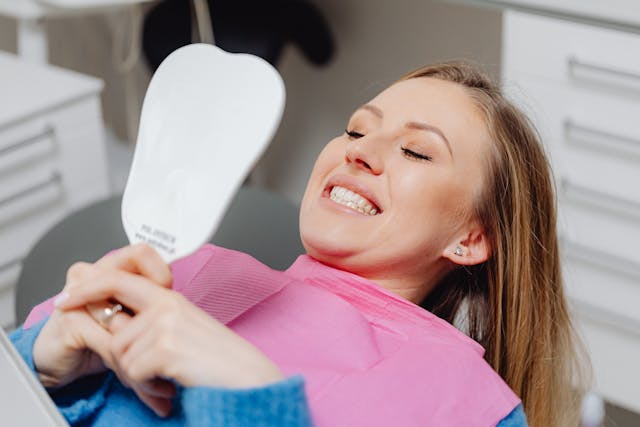
This shift affects millions of professionals, students, and anyone whose confidence wavers during presentations, first dates, or job interviews. The gap between those who understand their options and those suffering in silence with dental insecurities continues to widen. What many don’t realize is that modern cosmetic dentistry delivers benefits that extend far beyond appearance — impacting oral health, function, and quality of life in ways that compound over years. Understanding these multifaceted advantages can transform how you think about investing in your smile.
How Cosmetic Dentistry Enhances Smile Aesthetics
The visual transformation that cosmetic dentistry provides goes deeper than surface-level whitening. Porcelain veneers reshape entire smile lines by correcting proportions, closing gaps, and creating symmetry that fundamentally changes facial harmony. When a dentist places veneers on the upper front teeth, they’re not just covering imperfections — they’re engineering the golden ratio of smile design, where tooth width-to-length ratios create the most aesthetically pleasing proportions.
Consider someone whose natural canine teeth appear too pointed or whose lateral incisors are undersized. These subtle imbalances create an asymmetrical smile that draws attention for the wrong reasons. Veneers can lengthen short teeth, narrow wide ones, and create the illusion of perfectly straight alignment even when the underlying teeth remain slightly crooked. The ceramic material reflects light similarly to natural enamel, maintaining authenticity while optimizing appearance.
Clear aligner therapy addresses aesthetic concerns through gradual tooth movement that improves both alignment and facial support. As teeth shift into proper position, the lips receive better structural support, often reducing the appearance of fine lines around the mouth. This dual benefit — straighter teeth and enhanced facial contours — explains why many adults choose aligners over traditional braces for aesthetic reasons.
The color correction capabilities of modern professional teeth whitening extend beyond simply removing stains. Advanced whitening systems can eliminate years of coffee, wine, and aging-related discoloration while preserving the natural translucency that makes teeth appear vibrant rather than artificially bright. The contrast between whiter teeth and surrounding facial features creates a more youthful appearance that photographs well and projects confidence in face-to-face interactions.
Benefits of Cosmetic Dentistry for Oral Health and Function
What surprises many patients is how cosmetic improvements often deliver significant functional benefits. Dental implants represent the clearest example — replacing missing teeth restores both appearance and crucial oral function. When a tooth is lost, the surrounding bone begins to deteriorate within months. An implant not only fills the visible gap but stimulates bone growth, preventing facial collapse that can age someone by decades.
The bite correction that occurs during cosmetic treatment addresses problems that extend throughout the jaw system. Crooked or crowded teeth create cleaning challenges that lead to gum disease and decay over time. When aligners or veneers improve tooth positioning, they eliminate food traps and make daily oral hygiene dramatically more effective. Patients often discover that areas they could never properly clean become accessible for the first time.
Gum contouring procedures that create more balanced gum lines also eliminate pockets where bacteria accumulate. Someone with a “gummy smile” might undergo laser gum reshaping primarily for aesthetic reasons, but the procedure often reduces their risk of periodontal disease by creating healthier gum architecture. The newly exposed tooth surfaces are easier to clean and less prone to plaque buildup.
Crown lengthening and reshaping procedures serve similar dual purposes. A patient seeking to correct worn-down teeth through cosmetic crowns simultaneously restores proper bite relationships that reduce jaw strain. TMJ symptoms — clicking, popping, or pain when chewing — often improve when cosmetic treatment reestablishes balanced occlusion.
Even conservative treatments like cosmetic bonding can seal microscopic cracks and rough surfaces that harbor bacteria. While patients choose bonding to repair chips or close small gaps, the smooth composite resin surface resists staining and plaque accumulation better than damaged natural enamel.
Psychological and Social Benefits of Cosmetic Dentistry
Research from the Journal of Cosmetic Dentistry demonstrates that patients report measurable increases in self-confidence within six months of completing cosmetic treatment. The psychological impact extends beyond vanity — it affects fundamental behaviors like speaking up in meetings, smiling in photographs, and engaging confidently in social situations. Many patients describe feeling “freed” from the habit of covering their mouth when laughing or speaking.
The social benefits compound in professional settings where first impressions carry lasting consequences. Someone who previously avoided networking events due to dental insecurities often discovers new career opportunities after treatment. The willingness to engage more openly in conversations, participate in presentations, and project confidence during interviews creates a ripple effect that influences long-term career trajectory.
Dating and relationship dynamics also shift significantly. Patients frequently report that eliminating dental self-consciousness allows them to focus on genuine connections rather than managing anxiety about their appearance. This behavioral change often leads to more fulfilling personal relationships and social experiences.
The psychological relief of addressing long-standing dental concerns can reduce chronic stress levels. Many patients have spent years avoiding certain foods, limiting their smiles, or feeling anxious about close conversations. When seeking professional cosmetic dentistry resolves these concerns, the mental energy previously devoted to self-consciousness becomes available for more productive pursuits.
Studies tracking patient satisfaction over five-year periods show that the confidence benefits of cosmetic dentistry tend to strengthen over time rather than fade. Unlike temporary mood boosts, the psychological improvements appear to create lasting behavioral changes that compound across multiple life domains.
Comparing Key Cosmetic Dentistry Treatments and Techniques
Understanding the distinctions between common procedures helps patients make informed decisions based on their specific aesthetic goals and functional needs. The choice between different approaches often depends on factors like budget, timeline, existing oral health status, and desired longevity of results.
Differences Between Whitening and Bleaching Procedures
Professional in-office whitening uses higher-concentration hydrogen peroxide gels activated by specialized lights or heat. This approach can lighten teeth by 6-8 shades in a single 90-minute session, making it ideal for patients with time constraints or significant discoloration. The controlled environment allows dentists to protect sensitive gum tissue while achieving dramatic results.
Take-home whitening systems prescribed by dentists use lower-concentration gels worn in custom-fitted trays over 2-3 weeks. While slower, this method often produces more even results and allows for touch-ups as needed. Patients with sensitive teeth typically tolerate the gradual approach better than intensive in-office treatment.
Bleaching specifically refers to treatments that whiten teeth beyond their natural color using chemical agents. Over-the-counter whitening products generally cannot achieve true bleaching effects due to lower active ingredient concentrations. They’re better described as cleaning products that remove surface stains rather than changing intrinsic tooth color.
The longevity differs significantly between approaches. Professional bleaching results typically last 18-24 months with proper maintenance, while surface-stain removal from drugstore products may fade within weeks. Understanding this distinction helps patients evaluate the cost-effectiveness of different whitening investments.
Comparing Porcelain and Composite Restorations
Porcelain restorations — including veneers, crowns, and inlays — offer superior durability and stain resistance. The ceramic material matches natural enamel’s light-reflecting properties, creating the most lifelike appearance available. Porcelain work typically lasts 10-15 years with proper care and maintains its color stability throughout that period.
Composite bonding uses tooth-colored resin applied and shaped directly on the tooth surface. This approach requires less tooth preparation, costs significantly less, and can be completed in a single visit. However, composite materials are more prone to staining and chipping, typically requiring replacement or touch-ups every 5-7 years.
The choice often depends on the extent of correction needed. Minor chips, small gaps, or slight shape irregularities respond well to composite bonding. More significant aesthetic concerns — severe discoloration, major shape changes, or multiple tooth involvement — generally achieve better long-term results with porcelain solutions.
Potential Risks and Long-Term Considerations in Cosmetic Dentistry
Like any medical intervention, cosmetic dentistry carries risks that patients should understand before treatment. Tooth sensitivity represents the most common temporary side effect, particularly with whitening procedures and veneer preparation. Most sensitivity resolves within days or weeks, but patients with pre-existing sensitivity may need modified treatment protocols.
Irreversible procedures require careful consideration. Veneer preparation involves removing a thin layer of enamel that cannot be replaced. While modern techniques minimize tooth reduction, patients must understand they’ll likely need veneers for life once treatment begins. Similarly, crown placement requires significant tooth reshaping that commits patients to ongoing restoration maintenance.
The longevity of results varies dramatically between treatments. Professional whitening may need refreshing every 2-3 years, while quality porcelain work can last decades with proper care. Patients should factor long-term maintenance costs and time commitments into their decision-making process.
Gum health becomes increasingly critical after cosmetic treatment. Procedures like veneers and crowns create new margins where plaque can accumulate if oral hygiene isn’t meticulous. Patients who struggle with consistent brushing and flossing may experience complications that compromise both their investment and oral health.
Success depends heavily on choosing experienced practitioners who understand both aesthetic principles and long-term oral health implications. The most beautiful cosmetic work fails if it compromises function or creates maintenance challenges the patient can’t sustain. Smart patients invest time in finding providers who balance aesthetic goals with practical considerations, ensuring their enhanced smile remains healthy and beautiful for years to come.











Add Your Comment