


Have you ever wondered whether sticking with one set of tires all year actually saves money—or just feels convenient at the moment? It’s a question many vehicle owners don’t think about until it’s time to replace their tires again.
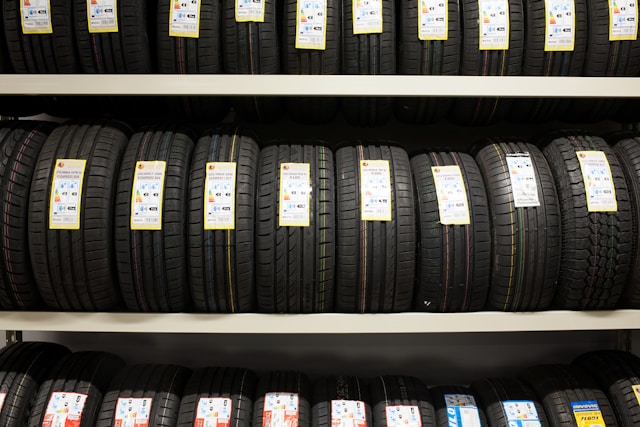
At first glance, choosing a single set of tires for every season seems like the easiest option. No seasonal swaps, no extra storage, no additional installation costs. But when you look beyond convenience and start considering wear, performance, and long-term expenses, the answer becomes more nuanced.
That’s where all-season tires come into the conversation. Designed to handle a mix of conditions—dry roads, wet surfaces, and even light winter weather—they promise a balance between performance and practicality. But do they actually deliver better value over time?
Let’s break it down from a real-world, cost-focused perspective.
- One-Time Investment vs Ongoing Seasonal Costs
One of the biggest advantages of all-season tires is that they eliminate the need for multiple tire sets. Instead of purchasing separate summer and winter tires, you invest in a single set that works year-round.
This immediately reduces:
- Initial purchase complexity.
- Seasonal installation and removal costs.
- Storage expenses for off-season tires.
For many drivers, especially those in moderate climates, this simplicity translates into real savings. You’re not paying for tire changes twice a year or worrying about where to store an extra set.
However, it’s important to consider how long a single set lasts under year-round use. While you save on additional purchases, the tires are also in constant use, which can affect overall lifespan. Still, from a budgeting standpoint, the upfront simplicity often makes all-season options appealing.
- Balanced Performance Reduces the Need for Frequent Replacements
Unlike specialized tires that excel in specific conditions, all-season tires are designed to perform consistently across a variety of environments. This balance plays a key role in their long-term value.
Instead of switching between tires that wear differently depending on the season, many drivers prefer relying on a single set of all-season tires that are engineered for premium performance throughout the year. For example, tires like the GT Radial are built with durability and even tread wear in mind, helping extend usability over time.
This kind of design can contribute to:
- More consistent tread wear.
- Reduced need for premature replacements.
- Better overall mileage from a single set.
When tires wear evenly, you’re less likely to replace them earlier than expected, which directly impacts long-term cost efficiency.
- Fuel Efficiency Can Influence Overall Costs
Tires don’t just affect how your car drives—they also impact how much fuel it consumes. Many all-season tires are designed with lower rolling resistance, which means the engine doesn’t have to work as hard to keep the vehicle moving. Over time, this can lead to noticeable fuel savings.
While the difference might seem small on a daily basis, it adds up over months and years of driving.
This means:
- Lower fuel consumption.
- Reduced long-term driving costs.
- More efficient everyday performance.
For drivers who spend a lot of time on the road, this factor alone can contribute significantly to overall savings.
- Maintenance and Convenience Add Hidden Value
Cost-effectiveness isn’t just about what you spend—it’s also about what you avoid. With all-season tires, you eliminate several recurring tasks:
- Seasonal tire changes.
- Scheduling installation appointments.
- Monitoring and storing additional tire sets.
This convenience has both practical and financial value. Fewer appointments mean less time spent managing your vehicle, and fewer service costs over time.
Additionally, maintaining a single set of tires simplifies routine care. Rotations, alignments, and inspections become more straightforward when you’re working with one consistent setup. For many vehicle owners, this ease of maintenance is just as valuable as direct cost savings.
- Longevity Depends on Driving Habits
Even the best tires won’t last as long if driving habits are aggressive or maintenance is neglected. Factors that influence tire lifespan include:
- Driving style (smooth vs aggressive).
- Road conditions.
- Regular maintenance (rotation, alignment, pressure checks).
All-season tires tend to perform best when paired with consistent maintenance and balanced driving habits. When cared for properly, they can deliver reliable performance over an extended period. This reinforces the idea that cost-effectiveness isn’t just about the product—it’s also about how it’s used.
Conclusion
So, are all-season tires more cost-effective in the long run? For many drivers, the answer is yes—but with a few important considerations. They offer clear advantages in terms of convenience, reduced maintenance, and eliminating the need for multiple tire sets. Over time, these factors can translate into meaningful savings.
However, their true value depends on your driving conditions, habits, and expectations. Ultimately, the best choice isn’t just about spending less—it’s about choosing a solution that fits your lifestyle while delivering consistent, reliable performance over time.











Add Your Comment