


Childhood bereavement is more common than many families realize. Sadly, about 1 in 13 children in the United States will lose a parent or sibling before turning 18, according to research shared by Youth Today.
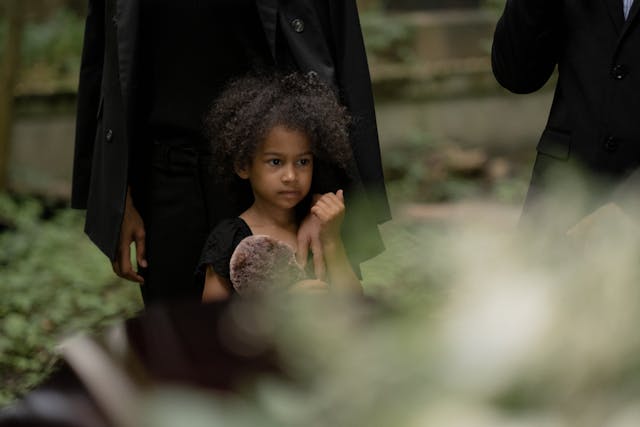
Grief looks different for every child. Some talk openly, others stay quiet, and many move in and out of sadness as they grow. Giving them thoughtful ways to honor a loved one can offer comfort and a sense of control during a time that feels uncertain.
-
Create a Memory Jar Together
Invite your child to decorate a jar with stickers, paint, or ribbons that remind them of their loved one. Keep it simple and let their personality lead the design.
Encourage them to write short memories, favorite sayings, or things they miss on small slips of paper. Folding and placing each note inside becomes a gentle ritual that feels safe and manageable.
On hard days, open the jar and read a few memories aloud. Shared storytelling reinforces connection and reminds children that love continues, even after someone has passed.
-
Make a Photo Book Full of Stories
Research highlighted by North Carolina Health News explains that children process grief differently at each developmental stage. A hands-on project like a photo book gives them a concrete way to revisit memories as their understanding of loss grows.
Gather printed photos that capture everyday moments, not just big events. Smiles at the kitchen table or walks in the park often mean more than formal portraits.
Help your child arrange the pictures in a scrapbook or printed album. Leave space for captions so they can add their own words, jokes, or favorite memories.
-
Plant a Living Memorial in Their Honor
Choose a tree, flower, or small garden space that feels meaningful. Watching something grow can symbolize ongoing love and remembrance.
Involve your child in every step, from picking the plant to digging the soil. Physical activity can ease restless emotions and give them a task that feels purposeful.
You might create a small sign with the loved one’s name. Each time your child waters the plant, they will engage in a quiet act of remembrance that builds routine and comfort.
-
Write Letters and Keep Them Safe
Suggest writing letters to the person who has died. Kids can share updates, ask questions, or simply say “I miss you.”
Place the letters in a decorated box, or tuck them into a special folder. Some families read the letters aloud on birthdays or anniversaries, turning private thoughts into shared moments.
Open expression helps children move through mourning in healthy ways. Writing gives them permission to express feelings they might struggle to say out loud.
-
Choose a Meaningful Way to Send Funeral Flowers
Funerals can feel confusing or intimidating for children. Giving them a role can reduce anxiety and help them feel included.
So, let your child help select flowers for their loved one’s funeral. Families often choose to send funeral flower tributes that reflect their loved one’s personality.
Kremp Florist offers arrangements designed for memorial services, including standing sprays and sympathy bouquets that can be customized. Involving your child in the choice turns a formal event into a personal expression of love.
-
Create a Simple Annual Remembrance Tradition
Pick a date that feels right, such as a birthday or anniversary. Keep the ritual small so it remains comforting rather than overwhelming.
Here are a few simple ideas to start with:
- Bake their favorite dessert and share stories at the table
- Watch a movie they loved and talk about favorite scenes
- Light a candle and spend a few quiet minutes together
The Global Grief Institute says playful and creative rituals can help children feel empowered during grief. Consistent traditions offer stability, especially when emotions resurface months or even years later.
Helping Children Carry Love Forward
Honoring a loved one does not erase grief, but it can soften its edges. Small actions like memory jars, photo books, planting a tree, writing letters, or choosing to send funeral flower tributes give children a way to stay connected.
Hopefully, this article has been helpful. If it has been, make sure you take a look at our other insightful posts!











Add Your Comment