


Health trends flood social media feeds constantly. Most disappear within months. Peptide therapy has been around longer though. People keep talking about it for good reasons.
Your body already makes these tiny protein fragments. They tell your cells what to do. Therapy versions just amp up processes already happening inside you. Clinics everywhere now offer peptides for health and recovery as treatment options.
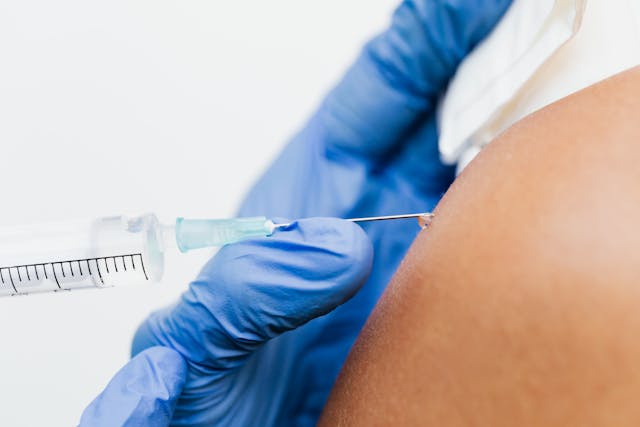
Photo by Karolina Grabowska www.kaboompics.com
How Peptides Actually Function
Think of peptides as text messages for your cells. They’re super short chains of amino acids. Usually between 2 and 50 amino acids linked together. Small enough to slip through cell walls easily.
Your body cranks out thousands of different peptides daily. Each one carries specific instructions. Some tell cells to release growth hormone. Others dial down inflammation or fix your sleep cycle. The National Center for Biotechnology Information tracks how these compounds regulate body functions.
Scientists figured out which peptides do what. Labs can now make synthetic copies. These work exactly like your natural ones. The treatment taps into systems already running in your body.
What People Notice After Treatment
Results vary a lot between individuals. Some people see big changes. Others notice subtle shifts. But certain benefits pop up again and again.
Here’s what users report most often:
- Energy that lasts all day: Dragging yourself through afternoons becomes less common. Specific peptides fire up energy production in your cells.
- Muscles recover faster: Your legs don’t feel like concrete after leg day. Repair-focused peptides cut recovery windows significantly.
- Skin looks better: Fine lines soften over time. Collagen production kicks into higher gear.
- Weight stays off easier: Your metabolism runs hotter. Or you hold onto muscle better while dropping fat.
- Sleep gets deeper: You actually feel rested when you wake up. Certain peptides smooth out sleep patterns.
The FDA monitors peptide medications for safety. Don’t expect overnight miracles. Real changes build over weeks or months.
Who’s Trying This Stuff
Athletes jump on peptides for performance reasons. Recovering between brutal training sessions matters to them. Building muscle without constant injuries seals the deal.
Folks over 40 deal with declining growth hormone naturally. Energy drops. Muscle melts away easier. Peptides might help push back against those changes.
Chronic fatigue sufferers sometimes land here too. Regular doctors run out of answers. Standard treatments fall flat. Peptides become another avenue worth exploring.
Parents running on fumes also get curious. Chasing toddlers while working full-time drains anyone. Safe options for getting energy back always catch attention.
Getting Started with Treatment
Most providers follow similar steps. The process isn’t complicated but takes time.
Typical treatment looks like this:
- First appointment: You talk through health history and goals. Providers need to know what you’re dealing with.
- Blood tests: Labs check hormone levels and other markers. This shows which peptides might actually help.
- Your protocol: Providers pick specific peptides and doses. They teach you safe injection techniques.
- Shot schedule: Most peptides need subcutaneous injections. You can learn to do them at home. Or swing by a clinic instead.
- Check-ins: Regular follow-ups track how you respond. Doses get adjusted based on results.
Cycles run several months minimum. Your body doesn’t flip switches overnight. Early changes might show up within weeks. Major shifts take longer.
Side effects stay pretty mild usually. Injection spots get red sometimes. Mild headaches pop up occasionally. Water retention happens for some people. Serious problems are rare.
Fitting It Into Your Life
Peptides aren’t magic pills. You still need decent nutrition and exercise. Skipping basics and expecting miracles doesn’t work. Best results happen when people fix multiple health factors together.
New peptide research drops constantly. Applications keep expanding. Qualified providers stay current on what works. They’ll shoot straight about realistic expectations too.
Money matters here. Insurance won’t cover this. Monthly costs run from a few hundred to several thousand dollars. You’ve got to decide if potential gains justify the price tag.
Do your homework before jumping in. Talk to actual experts. Peptides might fit your situation perfectly. Or maybe other options make more sense for you right now.











Add Your Comment