


Food plays such a big role in a child’s life — it fuels their growth, shapes their tastes, and even influences how they feel about their bodies and health. Helping kids understand what’s on their plate and why it matters can empower them to make smarter, more mindful choices as they grow. The good news? Learning about food and nutrition doesn’t have to happen at a desk. From fun kitchen experiments to playful grocery store adventures, there are plenty of hands-on ways to turn everyday moments into lessons about healthy eating.
Turn Mealtime Into a Creative Project
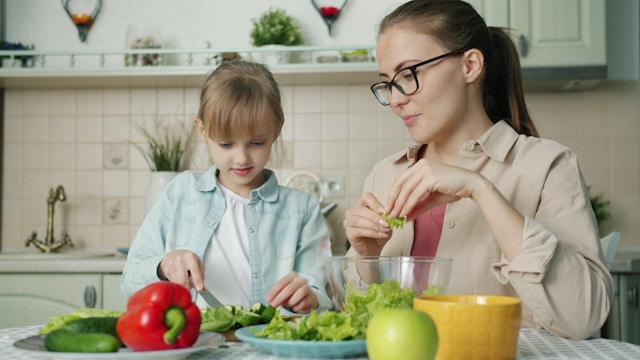
Kids learn best when they can touch, mix, and create. Turn mealtime into a mini project by letting them build their own dishes with colorful, healthy ingredients. Ready-made salad kits—like those from Taylor Farms—make this easy and fun, providing fresh greens, toppings, and dressings to mix and match. Encourage kids to choose different colors, talk about what each food does for their body, and taste new combinations.
Grow Something They Can Eat
Nothing teaches kids about food quite like growing it themselves. Even a small pot of herbs on the windowsill can spark curiosity about how plants become ingredients. Start with simple options like lettuce, cherry tomatoes, or basil—fast growers that reward kids quickly. Let them take charge of watering, measuring sunlight, and recording progress. When harvest time comes, add the homegrown produce to family meals so children can taste the fruits of their care. Gardening connects them to the food cycle, promotes patience, and helps them appreciate the effort behind every bite.
Explore Food Through Science Experiments
Food offers endless opportunities for discovery. Transform your kitchen into a mini science lab to explain how nutrients and ingredients work. Test sugar content in drinks, see what happens when fruit oxidizes, or compare how whole grains and refined grains absorb water. These simple experiments help kids visualize what they eat and understand why certain foods keep them energized longer. Discuss how vitamins, minerals, and fiber contribute to health.
Bring Culture Into the Kitchen
Cooking foods from around the world expands children’s palates and cultural awareness. Choose a theme night and prepare simple dishes inspired by different regions—like veggie sushi rolls, Greek salads, or tacos. As you cook, show kids where the ingredients come from on a map and talk about traditional eating habits that focus on balance and fresh produce. These meals can also highlight how food brings people together, no matter where they live.
Make Label Reading a Game
Once kids are comfortable in the kitchen, help them understand what’s in their food by turning label reading into a fun challenge. During grocery shopping, ask them to find snacks with the least added sugar or compare two cereals for fiber and protein. Explain simple terms like “serving size” and “percent daily value” to make it approachable. This builds critical thinking and helps kids make informed choices on their own. Over time, they’ll start noticing healthier options and become mindful shoppers rather than impulsive snackers.
Connect Food to Feelings and Energy
Nutrition isn’t only about numbers—it’s also about how food makes us feel. Encourage kids to notice their energy after eating different meals: Does breakfast keep them focused? Does a sugary snack cause a crash? Use a sticker chart or smiley faces to track their discoveries. This teaches children that food affects mood, attention, and overall well-being. It also helps shift the conversation away from “good” versus “bad” foods toward understanding balance and self-awareness.
Keep It Fun and Flexible
Healthy eating lessons work best when they fit naturally into family routines. Some nights, time is short, and that’s okay. Options like salad kits, wraps, or bento boxes can still be nutritious and exciting. In fact, they’re a quick and easy meal solution that lets kids stay involved without pressure. Whether assembling a colorful salad or choosing toppings for a homemade pizza, flexibility keeps food exploration enjoyable instead of stressful. The goal isn’t perfection—it’s creating positive, lasting habits that grow with them.
Conclusion
Healthy eating becomes second nature when kids learn about food with their hands, hearts, and senses. From planting seeds to mixing salads or testing sugar content, these experiences turn nutrition from a rule into a relationship. Parents and caregivers don’t need elaborate plans—just a willingness to invite kids into the process. By making food education creative, playful, and hands-on, you’re feeding young bodies and nurturing curiosity and confidence that will last a lifetime.










Add Your Comment