


If you’ve had a nose job that didn’t turn out the way you’d hoped, you’re far from alone — and you’re definitely not stuck with the result. Revision rhinoplasty is its own specialty, and it exists precisely because first-time surgeries don’t always land the way everyone planned. In fact, the surgical revision rate for rhinoplasty runs between 5% and 15%, so a meaningful slice of patients end up wanting a second look. Miami has become a real hub for this corrective work, drawing people who want both a better-looking nose and easier breathing. Here’s how a skilled surgeon actually approaches undoing what a past procedure left behind.
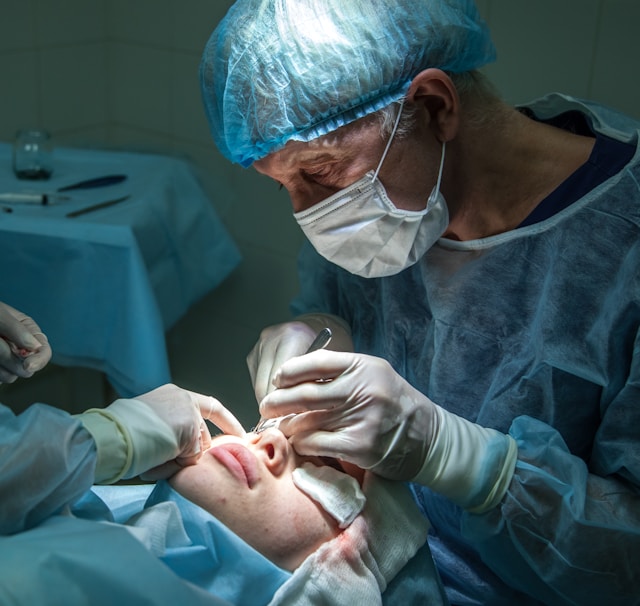
- It Starts With Honest Diagnosis
No good revision begins with a scalpel — it begins with figuring out what actually went wrong. A careful exam studies the skin, the underlying cartilage, scar tissue, and how you breathe, because the visible problem is often just a symptom of a deeper structural one. When people look for a Miami nose surgeon at Facial Plastic Surgery Miami, the ones worth booking tend to spend more time listening and examining than promising. Expect detailed photos, possibly a scan to check the airway, and a frank conversation about what’s realistically fixable in your particular nose.
- Rebuilding Lost Support
One of the most common issues after a first rhinoplasty is simply too much being removed. When cartilage and bone are over-trimmed, the nose can collapse, pinch, or look scooped as the years pass. Correcting this means adding structure back, usually with grafts.
Surgeons typically borrow cartilage from one of a few places:
- The septum, if enough usable tissue remains
- The ear, which provides naturally curved, softer grafts
- A rib, when more significant rebuilding is needed
That rebuilt framework restores both shape and stability, so the result holds up for years rather than slowly drifting.
- Restoring Easy Breathing
Plenty of revision patients care less about how their nose looks and more about being able to breathe through it. Aggressive first surgeries can narrow the internal valves or leave a deviated septum unaddressed, turning a cosmetic procedure into a daily nuisance.
A revision specialist treats function as seriously as form — opening collapsed airways, straightening the septum, and reinforcing weak spots. The nice part is that the same grafts used to improve appearance often widen the breathing passages too, so the two goals end up supporting each other instead of competing.
- Refining a Problem Tip
The tip is the trickiest part of the nose and the most common source of lingering complaints. After a previous procedure, it might look pinched, overly upturned, asymmetric, or oddly stiff. Fixing it calls for real finesse — repositioning or rebuilding the lower cartilages, softening sharp edges, and bringing back natural movement. The aim was never a “perfect” tip pulled from a catalog. It’s one that suits your face and looks like it was always meant to be there.
- Straightening the Bridge
A bridge that’s still crooked, bumpy, or uneven after surgery is a frequent reason people come back for correction. Depending on the issue, a surgeon may reset the nasal bones, file down a leftover hump, or camouflage small irregularities with thin, precise grafts.
Scar tissue from the first operation makes all of this harder, which is exactly why steady, experienced hands matter so much. At this stage, adjustments of just a millimeter or two can make a clearly visible difference.
- Timing and Realistic Expectations
Here’s something a trustworthy surgeon will tell you upfront: timing is everything. Most recommend waiting at least a year after the previous surgery, so swelling fully settles and the tissues soften enough to work with. Going back in too early can quietly compromise the repair.
A solid consultation also sets honest expectations. Revision noses carry scar tissue and less spare cartilage, so the realistic goal is meaningful improvement — not an imaginary flawless result. Patients who understand that going in tend to walk away genuinely happy with how things turn out.
The Bottom Line
A disappointing rhinoplasty result does not automatically mean you’re stuck with it forever. Many issues can be improved through revision surgery when the underlying problem is correctly identified and treated with a careful, individualized approach. The best outcomes usually come from surgeons who understand that function and appearance are closely connected, especially when breathing problems are involved alongside cosmetic concerns. Revision procedures often require more precision, planning, and patience than an initial surgery, but meaningful improvements are possible. Taking time to heal fully, asking the right questions, and choosing a specialist experienced in complex revision cases can make a major difference in the final outcome.









Add Your Comment