


Thinking about eyelid surgery can feel like a big step. It is not just about how you look, it is also about how your eyes feel day to day. Some people notice drooping lids that make them look tired. Others feel their vision is slightly blocked, especially when looking upward. Either way, the consultation is where everything starts to make sense.
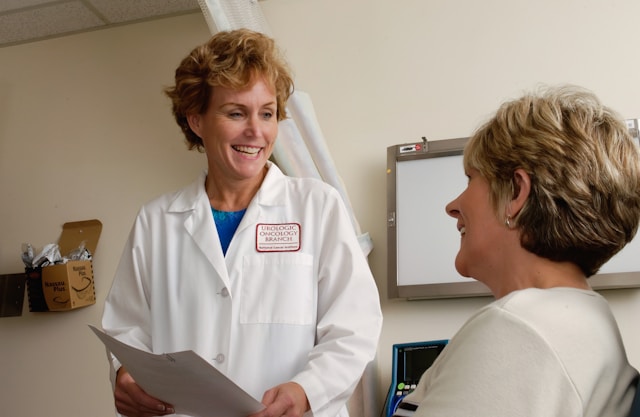
In a place like Miami, where people often care about subtle, natural-looking results, consultations tend to be detailed and personal. You are not just walking in for a quick opinion. You are starting a conversation about your goals, your concerns, and what is actually possible.
If you have never been to one before, here are five things you can expect during an eyelid surgery consultation.
1. A Close Look at Your Eyes and Facial Structure
The first thing that usually happens is a careful evaluation of your eyes. This is not just about your eyelids alone. Your surgeon will look at how your eyes sit within your face, your brow position, and even your skin quality.
When patients come for eyelid surgery in our Miami office, they often expect a quick glance and a few suggestions. In reality, the process is much more detailed. The surgeon may check how your eyelids move, how much skin is present, and whether there is puffiness caused by fat or just loose tissue. They may even ask you to open and close your eyes several times to observe natural movement.
At Chopra Plastic Surgery, we often see these small details shape the entire plan. Two people can have what looks like the same concern, but the approach may be completely different based on these observations. This part of the consultation sets the foundation for everything that follows.
2. A Conversation About What You Want to Change
Once the physical assessment is done, the focus shifts to you. What bothers you about your eyes? What would you like to improve?
Some people come in saying they look tired all the time. Others mention heaviness in the upper lids or puffiness under the eyes. It might sound simple, but putting these concerns into words helps guide the whole process.
The surgeon will likely ask follow-up questions to understand your expectations. Do you want a subtle refresh or a more noticeable change? Are you hoping to improve vision as well as appearance? These questions matter because they help avoid misunderstandings later.
This part often feels like a relaxed conversation rather than a formal evaluation. And that is a good thing. It gives you space to be honest about what you want, even if you are not sure how to describe it perfectly.
3. An Explanation of What Is Actually Possible
After hearing your concerns, the surgeon will walk you through what can realistically be achieved. This is where expectations are shaped in a clear and honest way.
For example, if you have excess skin on the upper eyelids, that can usually be removed to create a more open look. If there are under-eye bags, the surgeon may explain whether fat removal or repositioning would help. In some cases, they might also point out that the brow plays a role and suggest combining procedures.
What matters here is clarity. You will learn not just what can be done, but also what should not be done. Overcorrecting the eyelids can lead to an unnatural appearance, so most surgeons focus on balance rather than extremes.
4. A Walkthrough of the Procedure and Recovery
Once the plan starts to take shape, the conversation usually moves into how the procedure works and what recovery looks like.
You will learn whether the surgery will focus on the upper lids, lower lids, or both. The surgeon may explain where incisions are placed and how scars are typically hidden within natural folds.
Recovery is another important part of this discussion. You might hear about swelling, bruising, postsurgical scar management, and how long it takes before you feel comfortable going out again. Most people are surprised to learn that while the initial healing is fairly quick, subtle swelling can take a bit longer to fully settle.
This section helps you prepare mentally. It gives you a sense of timing and what your day-to-day life might look like during recovery.
5. Time to Ask Questions and Decide Your Next Step
The final part of the consultation is often the most valuable. This is your chance to ask anything that is still on your mind.
You might want to know how long results last. Or whether the surgery will affect how your eyes feel. Some people ask about risks, while others are more focused on downtime and scheduling.
There is no rush to decide on the spot. A good consultation should leave you feeling informed, not pressured. You should walk away with a clear picture of your options and enough confidence to think things through.
In practice, this is also where many people realize that the process is more thoughtful and personalized than they expected. It is not just about fixing a problem. It is about making a decision that feels right for you.
Final Thoughts
An eyelid surgery consultation is less about the procedure itself and more about understanding your face, your goals, and your comfort level with change. It is a step-by-step conversation that builds clarity.
By the time you leave, you should have a better sense of what is possible, what the process involves, and whether it fits into your life right now. And that clarity is what makes the next step, whatever you choose, feel much easier.









Add Your Comment