


A child’s life is characterized by an unending list of daily engagements, such as exploring the world, learning life skills, and making new friends. When they finally retire to bed at night, the least they expect is a good night’s sleep that will rejuvenate their energy for another new day of engagements.
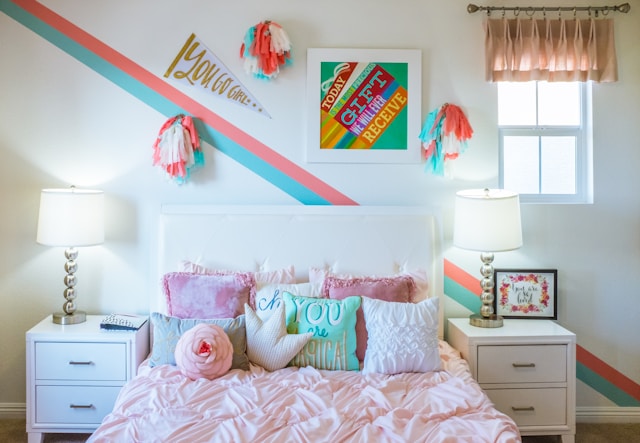
Image from Kenny Eliason on Unsplash
As a parent, you want to ensure they get home to a comfortable bed, with the best choice of pillows for enhanced comfort and a peaceful sleep. Below, we’ll share four effective tips for choosing the best pillows for your kids so you can make the right choice when you go out shopping.
Check for Maximum Comfort and Support
The best pillow for your active young champion should offer maximum comfort and support to the head, neck, and spine or lumbar region. Given that they’re so active during the day, chances are high these regions of their bodies would be fatigued and in need of optimal support and comfort during sleep.
When choosing the best pillows for lumbar support for your child, ensure they’re built for spinal alignment and pressure relief. Before choosing the pillow, find out first if your child is showing acute pain or chronic pain symptoms. Confirming their symptoms first can help with administering effective treatment by choosing the most comfortable and supportive pillow.
Consider Size
Your child’s pillow will intentionally be smaller in size than the pillow you use, which is typically the standard-sized 51 to 66 cm pillow. For your child, you should consider size 5 to 7 cm for toddlers and 7.5 to 12 cm for kids above five years for proper spinal alignment support and minimal neck strain.
Passing your adult pillow to your child during sleep isn’t a good idea, as the large-sized pillows can simply be too large for their little bodies. Even a single night’s sleep on your adult pillow can disrupt their natural spinal alignment, cause neck pains, and take up too much of your child’s small bed.
Check the Pillow Material
A pillow can be the right size and design, but if the material used on the inside or outside isn’t right for your child, then it’s not worth considering. Pillow materials significantly impact a user’s comfort and health. For instance, breathable, hypoallergenic options are a great option as they don’t trap moisture or heat during sleep. Choose pillow covers that are easily washable or waterproof to make your cleaning work easier and ensure your child always sleeps on healthy, clean pillows.
Consider Allergies and Hypoallergenic Factors
Choosing a child’s pillow may sound easy and an effortless process until you realize your child suffers an allergic reaction to the pillows you bought for them before. Now it turns from just choosing any pillow to checking pillow options with hypoallergenic capabilities.
Most pillow materials in the market can easily cause allergic reactions, especially if your child has allergies, causing them to suffer long nights of discomfort. You can avoid this by washing pillows regularly, investing in hypoallergenic pillows, buying allergen-proof covers, or changing pillows regularly. The approach you take will depend on the type of allergy your child suffers from and its severity.
Choosing the best pillow for your kids can be challenging if you don’t know what to look for in a pillow. However, with these tips above, you can easily get the right options for your child and improve their sleeping comfort and health.










Add Your Comment