


Most parents see how thrilled kids become when they receive a new toy. That enthusiasm might last a day or two, but soon the toy is left abandoned or stored away. It is natural to wonder why something so captivating at first can lose its attraction so quickly.
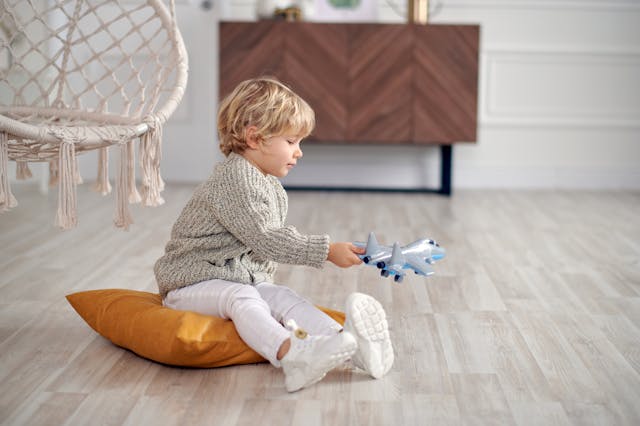
Children today often tire of toys faster than before. Many parents and caregivers observe this pattern. Modern life shapes children’s play habits, and these influences can shorten how long toys hold their interest.
Limited Variety in Local Shops
Local toy shops remain fixtures in many neighbourhoods. They offer families a welcoming place to browse toys together. However, these stores have limited room to showcase their assortment. Shelves can hold only so many toys, so shop owners must choose which items to display. Some toys never reach the store, and children who visit often may see the same products repeatedly.
A limited selection can make toy shopping feel repetitive. A child may sense they have already explored most of the options available. Finding something truly different becomes harder when familiar items dominate the shelves.
Some parents explore online toys when they want to see a wider range of options. Online browsing can reveal puzzles, craft sets, outdoor games, and creative toys that may not be available in a nearby shop. Seeing unfamiliar ideas can spark fresh curiosity during playtime.
New discoveries often revive a child’s excitement. Kids become more engaged when a toy fits their hobbies or encourages creativity. A wider range of options helps parents choose toys that truly capture their child’s attention.
Children Have Access to More Toys Than Before
In many homes today, children own large collections of toys. Birthdays, holidays, and special occasions often add even more to the pile. A new toy might feel exciting at first, but that excitement can fade quickly when surrounded by so many other options.
Too much choice can create a new challenge. A child may start playing with one toy but quickly notice another that looks just as appealing. Their attention shifts, and the first toy may soon sit unused.
Many parents say they had fewer toys growing up and spent longer periods playing with each one. With larger toy collections today, children may find it harder to focus on a single activity for long periods.
Receiving new toys too frequently can also reduce their impact. When children get something new every few weeks, each toy can lose some of its novelty. Instead of enjoying what they already have, they may start looking forward to the next new item.
For children who benefit from deeper, more focused play, fewer toys that match their interests can encourage longer engagement and more meaningful playtime.
Screens Compete With Traditional Toys
Digital devices are now common in many homes. Tablets, smartphones, televisions, and game consoles offer bright visuals, sounds, and constant motion. Children can switch between videos, games, or apps in seconds.
This fast-paced entertainment can influence what children expect from play. Videos often cut between scenes quickly, and many games deliver constant stimulation. Traditional toys usually move at a slower pace and rely more on imagination.
Children who spend long periods using screens may find quieter forms of play less exciting. Toys such as building blocks, dolls, or puzzles require patience and creativity. These activities may feel slower compared to digital entertainment.
Screen habits can also affect attention spans. Rapid changes on screens train kids to focus in short bursts. This pattern can make it easier for children to leave a toy after only a brief period of play.
Parents often notice that children return to toys more easily when screen time is reduced. Quiet play becomes more enjoyable when there are fewer digital distractions. A balanced routine that includes both playtime and limited screen time can help toys feel engaging again.
Quick Rewards Train Short Attention Spans
Many digital games provide instant feedback. Points, sounds, and visual effects appear immediately when a player completes a task. These quick rewards can create strong excitement.
Over time, children may become used to instant responses. Toys that require time to build, assemble, or figure out may not provide the same immediate satisfaction. Activities such as puzzles, models, or crafts usually reward patience rather than speed.
When entertainment moves quickly, children may begin to expect constant stimulation. Toys that require effort and concentration can feel slow in comparison.
Learning to wait for results is an important skill. Building a tower, completing a puzzle, or finishing a drawing encourages patience and focus. These experiences help children develop persistence during play.
Parents can support this by choosing toys that involve creativity, problem solving, or hands-on exploration. These types of activities often help children stay engaged longer because they encourage curiosity and active participation.
Marketing and Trends Change Very Quickly
Children learn about toys through many different channels. Television ads, social media, and online videos frequently promote new products. When kids see the same toy everywhere, excitement can grow quickly.
Interest in toys often spreads through friends as well. One child might bring a popular toy to school, and soon others start talking about it. As more children become interested, demand grows.
However, trends change quickly. Soon another toy becomes popular online and attracts attention. Children may lose interest in the previous favorite as attention shifts to the next trend.
Friends can also influence how long a toy stays exciting. Children often want to like the same things their friends enjoy. If classmates move on to something new, an older toy may seem less appealing.
Parents often notice that toys last longer when they match a child’s personal interests rather than current trends. Toys chosen around a child’s natural curiosity often remain engaging for a longer time because the motivation to play comes from the child rather than outside influence.
Final Thoughts
It is common for children to lose interest in toys more quickly today. Screens, fast-moving trends, and a wide range of choices all influence how kids play. Parents may see excitement fade quickly, even when a toy initially seems perfect.
Still, lasting play is possible. Choosing toys that match a child’s interests, limiting excessive options, and encouraging creative activities can help children stay engaged longer. When kids have the space to explore, imagine, and create, toys often regain their ability to hold attention and bring joy to playtime.











Add Your Comment