


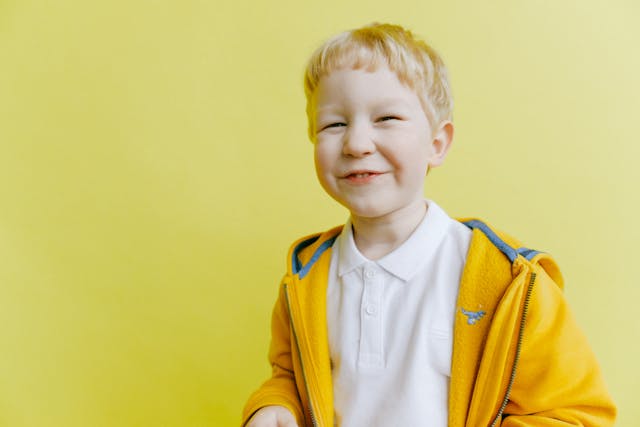
It’s easy to miss. Your child squints at the TV, tilts their head when reading, or rubs their eyes after school. These small behaviours might seem harmless at first, but they could be early signs of vision issues that deserve attention. Many parents delay seeking help because they assume children will grow out of it, but undetected vision problems can significantly impact how kids learn and interact with the world. That’s why recognising the signs early—and following up with a proper eye check from a trusted children’s optometrist—can make all the difference in their development.
In this article, you’ll learn:
- What squinting can tell you about your child’s eyesight
- Common signs of poor vision in children
- Why early detection is crucial for learning
- When to book an eye exam
- What parents and teachers can do to help
What Squinting Reveals About a Child’s Eyesight
Squinting isn’t just a quirky habit—it’s often the body’s natural way of sharpening vision. By narrowing the eyelids, children can temporarily reduce the blur in their line of sight. While this trick can make things appear clearer, frequent squinting is usually a sign that something more is going on.
Common eyesight problems linked to squinting include:
- Myopia (short-sightedness): Difficulty seeing distant objects clearly
- Hyperopia (long-sightedness): Trouble focusing on close-up objects
- Astigmatism: Blurred vision due to an irregularly shaped cornea
- Amblyopia (lazy eye): Reduced vision in one eye that isn’t correctable by glasses alone
- Strabismus: Misalignment of the eyes, where one eye may turn inward or outward
Behavioural habits, such as excessive screen time, reading in poor light, or holding devices too close to the face, can also contribute to visual discomfort and encourage squinting. Over time, these habits may even exacerbate existing conditions.
Recognising the Early Signs of Poor Eyesight in Children
Vision problems often go unnoticed simply because children don’t realise their experience is any different from anyone else’s. Here’s what to watch for:
Squinting or Closing One Eye
If your child squints or shuts one eye, especially when looking at distant objects or reading, it may be their way of compensating for blurry or double vision. This behaviour is often linked to conditions like amblyopia or strabismus.
Sitting Too Close to Screens or Books
Children who prefer to sit very close to the TV or hold books inches from their face may be struggling with nearsightedness or difficulty focusing their eyes. They’re trying to bring the content into a clearer view.
Constant Eye Rubbing
Eye rubbing is commonly a sign of tired or strained eyes. While occasional rubbing isn’t unusual, doing it frequently—especially after school or device use—can indicate that their eyes are overexerting themselves.
Frequent Headaches or Eye Strain
Headaches at the end of the school day or after reading may be caused by visual fatigue. If your child often complains of aching eyes or pressure in the forehead, it’s worth getting their vision checked.
Clumsiness and Poor Coordination
Bumping into objects, missing catches in sports, or struggling with hand-eye coordination may indicate issues with depth perception. When vision isn’t sharp, navigating the environment becomes more difficult.
Trouble Reading or Concentrating at School
Children who skip lines, lose their place while reading, or avoid books altogether might be dealing with undiagnosed vision issues. It’s not always about motivation—sometimes they simply can’t see clearly enough to keep up.
Why Early Detection Matters
When eyesight issues go unnoticed, they can hinder a child’s academic, social, and emotional development.
Poor vision affects concentration, reading speed, and information retention. In fact, up to 60% of children diagnosed with learning difficulties have an underlying vision problem. Struggling to see can lead to frustration, behavioural changes, or withdrawal in the classroom.
It’s not just school that suffers. Children with vision problems may lose confidence, feel left out in group activities, or avoid hobbies that once brought them joy. By catching issues early, you give your child the best chance to thrive in all areas of life.
When to Book an Eye Exam
Even if your child isn’t complaining, regular eye exams are essential. Many vision problems develop gradually, and children may not realise anything is wrong.
Recommended Eye Exam Schedule
- At 6 months old: First check to ensure eyes are developing normally
- Around age 3: To detect early issues before starting school
- Before school starts (4–5 years): Crucial for ensuring readiness to learn
- Every 1–2 years after that: Even if no symptoms are present
A children’s eye exam is quick and non-invasive. It typically involves checking visual acuity (how they can see), eye alignment, focus ability, and overall eye health. Many clinics make the experience fun and engaging to put kids at ease.
What Parents and Teachers Can Do
Recognising the signs is only the first step. Supporting children through the process requires collaboration between parents, teachers, and eye care professionals.
Observe Behaviour Consistently
Changes may be subtle at first. Keep an eye on habits like:
- Squinting during lessons or while watching TV
- Avoiding reading tasks or struggling to follow along
- Holding tablets or books too close
- Complaining of headaches or eye discomfort after school
If these signs persist, it’s worth having a gentle conversation with your child and arranging a vision assessment.
Talk to an Eye Care Professional
You don’t need to wait for a referral. If you’ve noticed concerning symptoms, booking an eye test with a qualified optometrist can provide clarity. Let the clinician know what behaviours you’ve observed—this helps them tailor the exam to your child’s needs.
Keep an Open Dialogue with Your Child
Children may not always understand or articulate what they’re experiencing. Ask simple, non-judgemental questions:
- “Can you see the board at school clearly?”
- “Do your eyes ever feel tired or sore?”
- “Is it easier to read when the book is closer or further away?”
Encourage honesty by letting them know it’s okay to need help. Wearing glasses—or using other treatments—can make school and playtime much more enjoyable.
FAQs
Is squinting ever normal in children?
Occasional squinting might happen in very bright light or when a child is tired, but persistent squinting—especially while focusing—should not be ignored. It’s often a sign that their vision isn’t as clear as it should be.
At what age should a child first see an optometrist?
Experts recommend the first eye check at 6 months, again around 3 years, and just before starting school. After that, routine exams every 1–2 years help catch issues early, even if your child has never shown symptoms.
Can poor eyesight affect a child’s behaviour or mood?
Yes. Children with vision problems may feel frustrated or left out, particularly in classroom settings. They might act out, become withdrawn, or show disinterest in activities they once enjoyed. Addressing vision concerns can lead to noticeable improvements in behaviour and confidence.
Conclusion
Squinting may seem minor, but it can be an early warning sign of a more serious vision issue. From struggling with reading to bumping into objects or avoiding schoolwork, many everyday challenges stem from undiagnosed eyesight problems. The earlier these are identified, the better the outcomes for learning, development, and self-esteem.
Regular eye exams—and staying alert to behavioural cues—can empower children to see clearly and participate fully in all aspects of life.
If you’ve noticed any signs mentioned here, book a professional eye exam today to ensure your child sees clearly and learns confidently.










Add Your Comment