


Dentistry is a broad field encompassing a range of specialties, each dedicated to a particular aspect of oral health. General dentists focus primarily on preventive care, routine cleanings, fillings, and basic restorative procedures. They serve as the first line of defense against common dental issues, helping patients maintain their teeth and gums through consistent checkups and hygiene practices. Their work is essential, forming the foundation of good oral health.
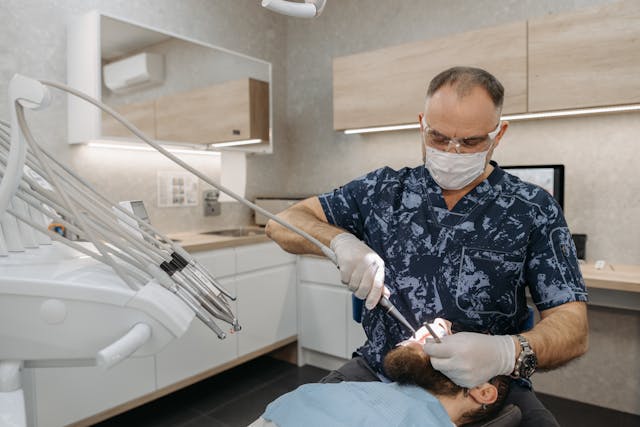
Prosthodontists, on the other hand, are specialists who focus on the restoration and replacement of teeth. They undergo several additional years of advanced training after dental school, mastering complex procedures such as dental implants, bridges, crowns, and full-mouth reconstructions. Their expertise lies not only in function but also in aesthetics, ensuring that replacements blend naturally with existing teeth. This specialization often makes prosthodontists the preferred choice for patients facing intricate restorative challenges.
The distinction is significant. While a general dentist can handle most routine dental concerns, a prosthodontist offers precision for cases where standard interventions are insufficient. Complex bite problems, extensive tooth loss, and traumatic dental injuries often require the advanced techniques that only a prosthodontist can provide. Knowing when to transition from general dentistry to prosthodontics can make a profound difference in both outcome and comfort.
Situations That Call for Specialized Care
There are circumstances where a patient’s dental needs surpass the skill set of a general practitioner. For instance, when multiple teeth are missing or when jaw structure is compromised, a prosthodontist’s advanced understanding of occlusion and anatomy becomes critical. They are trained to restore the balance between aesthetics and function, a combination that is essential to lasting oral rehabilitation.
Patients with complex dental histories, including failed restorations or congenital oral conditions, often benefit from prosthodontic intervention. Prosthodontists excel at coordinating multidisciplinary care, collaborating with oral surgeons, periodontists, and orthodontists to produce integrated treatment plans. This level of coordination ensures that even the most complicated cases are managed with precision.
For individuals seeking complete oral transformation, prosthodontists also offer solutions that go beyond functional repair. They approach each restoration as a blend of engineering and artistry, designing smiles that are structurally sound and visually appealing. Their work demands not only technical skill but also a deep appreciation of form, proportion, and harmony.
Advanced Restorations and Cosmetic Precision
When it comes to restoring damaged or missing teeth, prosthodontists employ cutting-edge techniques that merge aesthetics with advanced function. Crowns, veneers, bridges, and implants are designed not only to replace lost structure but also to elevate the appearance and performance of the entire smile. With years of additional training, prosthodontists understand how to achieve harmony between the technical and artistic aspects of restorative dentistry, creating results that look as natural as they feel.
Today’s leading prosthodontic practices combine digital precision with individualized care. Using 3D imaging, computer-aided design, and advanced materials such as zirconia and porcelain, they craft restorations that integrate seamlessly into the patient’s bite and facial profile. This precision-driven approach has redefined modern restorative care, setting a higher standard for both comfort and longevity.
For patients seeking this level of advanced restorative precision, leading practices such as Dental Implant Partners in San Francisco exemplify the art and science of modern prosthodontics. Their focus on specialized prosthodontic care reflects decades of experience in creating functional, aesthetic, and long-lasting solutions for complex dental challenges, blending innovation with a personalized approach that restores both confidence and oral harmony.
Reconstructive Dentistry After Trauma or Disease
Traumatic injury and advanced disease can leave the mouth in need of comprehensive reconstruction. In such cases, prosthodontists are uniquely equipped to evaluate and rebuild oral structures that have been damaged or lost. They consider not only the visible portion of the teeth but also the underlying bone and tissue that support the mouth’s integrity. The treatment process often involves a phased approach to ensure both strength and appearance are restored.
When trauma results in fractures or complete tooth loss, the prosthodontist’s training in biomaterials becomes essential. They determine the best prosthetic solutions for each patient, considering durability, comfort, and visual alignment. Prosthodontists work with cutting-edge materials like zirconia and titanium to create restorations that can endure years of use while maintaining a natural appearance.
Patients recovering from oral cancer or bone loss also depend on prosthodontic expertise. Restoring these patients’ oral function often requires collaboration with surgical teams to reconstruct the jaw or palate. The goal is not only to restore the ability to chew and speak but also to bring back confidence through a natural-looking smile.
The Role of Dental Implants in Modern Prosthodontics
Dental implants represent one of the most significant advancements in modern restorative dentistry, and prosthodontists are among the foremost experts in their placement and restoration. Unlike removable dentures, implants offer a permanent solution that mimics the strength and stability of natural teeth. The prosthodontist’s precision ensures that the implant integrates seamlessly with the jawbone, supporting long-term oral health.
Implant treatment involves both surgical and prosthetic phases. The prosthodontist’s involvement ensures that the final crown or bridge not only fits perfectly but also aligns with surrounding teeth for a balanced bite. Attention to microscopic details helps prevent complications such as bone resorption or implant misalignment, which can occur without specialized oversight.
Because implants serve both functional and cosmetic purposes, patients rely on prosthodontists to achieve natural results. The meticulous approach to design, placement, and material selection distinguishes prosthodontic care from general dentistry, where implant procedures may not reach the same level of customization or longevity.
Managing Complex Bite and Jaw Disorders
Beyond restorative and cosmetic procedures, prosthodontists play a key role in diagnosing and managing occlusal disorders. Misaligned bites, temporomandibular joint (TMJ) dysfunction, and chronic jaw pain often stem from subtle imbalances that can worsen over time. A prosthodontist’s deep understanding of jaw mechanics allows them to design interventions that alleviate pain and restore equilibrium.
These specialists employ advanced diagnostic tools to analyze bite dynamics. By studying how teeth contact and move, they can identify the root causes of grinding, clenching, or uneven wear. Treatments may involve custom-designed bite guards, full-mouth rehabilitation, or occlusal adjustments that correct alignment issues and improve comfort.
The goal is long-term stability rather than short-term relief. Addressing occlusal imbalances not only improves daily comfort but also preserves the integrity of restorations and natural teeth. Patients who have suffered from chronic discomfort often find that prosthodontic treatment provides the most lasting and comprehensive solution.
Choosing the Right Specialist for Your Needs
Selecting a prosthodontist involves more than finding a dental professional with the right credentials. It requires a careful evaluation of experience, specialization, and communication style. Patients should seek practitioners who prioritize both functional outcomes and aesthetic goals, as the best prosthodontic work balances clinical precision with artistry.
A consultation should begin with a detailed examination and discussion of the patient’s expectations. The prosthodontist’s ability to clearly explain treatment options and timelines builds confidence and ensures that care is tailored to individual needs. Transparency about materials, procedures, and maintenance requirements is a hallmark of reputable specialists.
Ultimately, choosing a prosthodontist is an investment in longevity and quality of life. Their advanced training allows them to deliver results that enhance not only the smile’s appearance but also its durability and health. For patients facing complex dental challenges, that combination of expertise and craftsmanship can make all the difference.
When to Transition from General Dentistry to Specialized Care
Most patients begin their dental journey with routine care, but certain signs indicate that specialized attention may be necessary. Persistent discomfort, repeated restoration failures, or dissatisfaction with cosmetic results can signal the need for a prosthodontist’s expertise. Recognizing these moments early helps prevent complications and ensures the best possible outcome.
General dentists often refer patients to prosthodontists when treatment complexity exceeds the scope of general care. This collaboration benefits the patient, as both providers work together to create a comprehensive plan. Such partnerships are common and reflect the growing emphasis on interdisciplinary care within modern dentistry.
Transitioning to prosthodontic care should be viewed as a proactive step rather than a last resort. It demonstrates a commitment to long-term oral health, structural integrity, and aesthetics. For many patients, the specialized touch of a prosthodontist transforms not only their smile but also their confidence and quality of life.










Add Your Comment