


What changes first, the way your eyes look, or the way they feel at the end of a long day? Many people notice the shift quietly. Makeup stops lifting the lids the way it once did, photos show heaviness that wasn’t there before, and expressions start to appear more tired than intended.
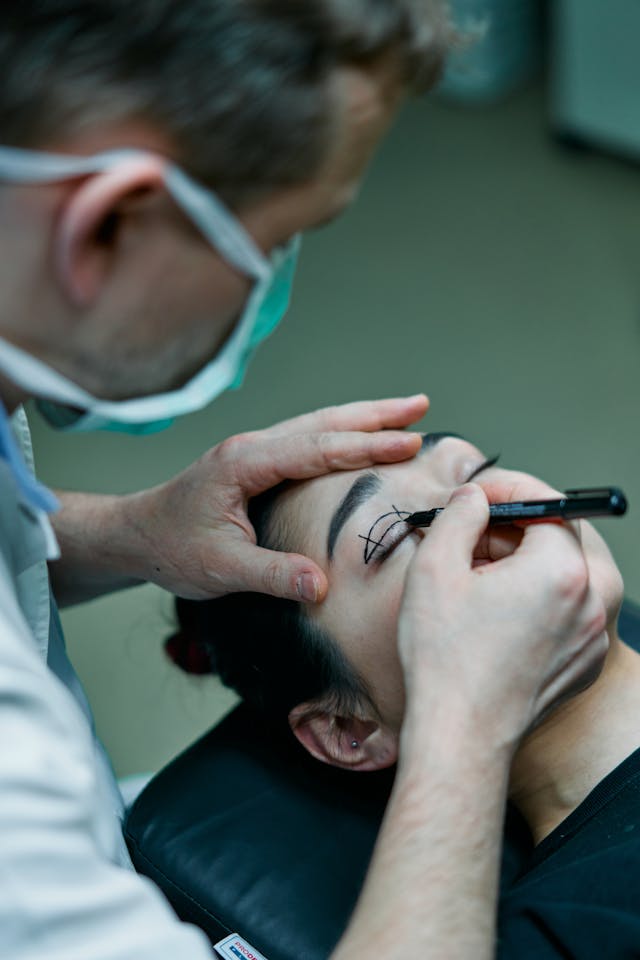
In busy cities like Houston, this difference becomes easier to recognize over time because of residents’ hyper-social lifestyles.
Blepharoplasty, or eyelid surgery, is designed to refine the area by removing excess skin, adjusting tissue, and restoring a smoother contour around the upper or lower lids. For those considering it, the real question usually moves beyond whether to proceed and toward understanding what the process truly involves.
Here’s a clear look at what to expect before, during, and after the procedure.
- Before The Surgery
You may think you have an idea of the things that happen before the procedure, like a short consultation and a quick date selection, but that is not the case. Things are a little more complex than that, and they have a good reason to be so.
- A Detailed Consultation
Some people assume eyelid surgery is only about removing loose skin. In reality, surgeons evaluate whether puffiness, drooping lids, or under-eye bags stem from excess fat, stretched skin, or both, because that distinction shapes the entire plan.
When people begin looking into options such as blepharoplasty in Houston, they often realize the decision involves more than appearance alone, especially if upper lid heaviness is starting to affect vision or create a constant tired look. Surgical planning may involve refining contour, adjusting tissue support, or addressing fat positioning.
That’s why consultations often extend beyond the eyelids themselves. Surgeons typically evaluate how the eyes relate to the surrounding facial structure to decide whether refinement should address contour, function, or both. In many surgical settings, including the Eisenmann Plastic Surgery Center, that broader assessment is part of routine planning rather than a separate consideration.
- Getting Ready for Surgery
Preparation tends to be straightforward but specific. You may be advised to stop certain supplements or medications that increase bleeding risk. Smoking, if applicable, is usually discouraged well in advance.
Patients are often surprised by how simple the preparation phase feels. There aren’t drastic lifestyle changes required, but details matter. Arranging a ride home. Setting up a comfortable recovery space. Planning for a few days of reduced activity.
Emotionally, this phase can feel quiet but anticipatory. Many people describe a mix of calm and curiosity. That’s normal.
- The Day of Surgery
Blepharoplasty is typically performed as an outpatient procedure. Depending on the case, it may involve local anesthesia with sedation or general anesthesia.
The incisions are carefully placed, along natural eyelid creases for upper lids or just below the lash line for lower lids. When performed thoughtfully, these placements help scars fade discreetly over time.
The actual procedure often takes one to two hours. Patients frequently remark that it feels quicker than expected. Afterward, you’ll rest briefly before heading home the same day. There is no dramatic hospital stay. Just structured monitoring and clear instructions.
- Post-Surgery
People usually have a lot of questions about the challenges that come after surgery. Also, the post-surgery experience can really shape your entire view of the procedure. Let’s have a look at a breakdown of the recovery stages.
- The First Few Days After Surgery
This is the phase people worry about most. Swelling and bruising are common in the first week. The eyes may feel tight or slightly dry. Cold compresses and prescribed ointments help manage discomfort.
Vision may be slightly blurry due to swelling or ointment application. Downtime usually lasts about a week, though social comfort varies. Some people feel ready for light outings after several days. Others prefer to wait until bruising fades more fully. It’s a short recovery window compared to many other facial procedures.
- Weeks Two to Four: Gradual Healing
As swelling subsides, the contour begins to settle. The eyelids look smoother. Puffiness diminishes. Upper lid heaviness softens.
At this stage, changes feel subtle but noticeable. Makeup application becomes easier. Under-eye concealer sits more smoothly. Glasses or sunglasses may rest differently on the face. The results don’t appear overnight. They refine gradually. Most sutures, if non-dissolvable, are removed within the first week. Incisions continue to fade over the following months.
- Long-Term Changes
Blepharoplasty doesn’t change eye color, personality, or facial identity. It adjusts the frame around the eyes. Upper eyelid surgery can make the eyes appear more open and less shadowed. Lower eyelid surgery can reduce persistent under-eye bags that don’t respond to sleep or skincare.
The outcome tends to be described as “rested” rather than altered. Friends may comment that you look refreshed without pinpointing surgery specifically. Results are long-lasting, particularly for upper eyelids. Aging continues, but from a more supported starting point.
Conclusion: A Structured Process with Natural Results
Blepharoplasty follows a clear rhythm: detailed consultation, straightforward preparation, controlled outpatient surgery, and a relatively brief recovery. The first week requires patience. The following weeks reveal gradual refinement.
When approached thoughtfully, eyelid surgery doesn’t transform identity. It restores balance around the eyes, softening signs of fatigue while maintaining natural expression.
For many people, especially in vibrant cities like Houston, where face-to-face interaction is constant, that shift feels meaningful. Not because it changes who they are, but because it allows their eyes to reflect how they actually feel.










Add Your Comment