


Dealing with a clogged sink or drain is a challenge that many homeowners face. The inconveniences that arise from clogged plumbing can disrupt your daily routine and even lead to costly damage if not addressed promptly. Understanding what causes these issues and knowing how to respond can save you time and money. Below, we’ll delve into the common causes, DIY solutions, and when to call in the professionals to manage your plumbing woes effectively. Keep reading for insights and tips on how to tackle clogged drains head-on.
Understanding the Common Causes of Clogged Sinks and Drains

Every household will at some point face the unpleasant reality of a clogged sink or drain. The most common culprits include the accumulation of hair, grease, and food particles. In bathrooms, hair binds with soap scum, gradually clogging the pipes. When in doubt, especially for residents facing drainage issues in Dallas, asking “Who should I call for a clogged sink or drain in Dallas?” leads to expert solutions: Who should I call for a clogged sink or drain in Dallas.
Other potential causes are less obvious but equally problematic. Foreign objects, such as small toys or personal care items, can accidentally fall into the drain and obstruct the passage. Even mineral buildup from hard water can contribute to constricted pipes and impede functionality. Recognizing these common causes aids in both prevention and targeted response strategies.
Preventative measures, like using drain strainers and disposing of waste properly, can significantly reduce the risk of clogs. Nevertheless, unintended blockages can still occur, which might call for proactive measures. It’s important to identify and address such obstructions early to prevent them from escalating into more serious plumbing issues.
DIY Solutions for Unclogging Your Sink Naturally
Before resorting to harsh chemicals, consider natural solutions that are safe for your pipes and the environment. A popular home remedy is the combination of baking soda and vinegar, which can effectively dislodge minor clogs. Pour half a cup of baking soda, followed by the same amount of white vinegar, down the drain. Let it fizz for several minutes, then rinse with hot water.
Another eco-friendly approach involves using boiling water to dissolve grease or soap buildups. Pouring a pot of boiling water directly into the sink may help to disintegrate blockages without any adverse effects on your plumbing. This method might have to be repeated a few times for optimal results.
The Plunger Technique: A Step-By-Step Guide for Beginners
One of the first tools to reach for when tackling a clogged sink is the plunger. To begin, make sure you have a cup-shaped plunger, not a flange plunger, which is designed for toilets. Start by filling the sink with enough water to cover the plunger’s cup, as water will help create an effective seal and vacuum effect.
Position the plunger over the drain and press down firmly to create an airtight seal. Thrust the plunger up and down vigorously without breaking the seal. The goal is to use the pressure created to dislodge whatever is clogging the drain. Perform this action for several seconds before abruptly pulling the plunger off to create additional suction.
If the water begins to drain, you’ve likely been successful in clearing the clog. If not, repeat the plunging process a few more times. It’s important not to give up too quickly, as some stubborn clogs may require multiple attempts to displace.
When to Use Chemical Drain Cleaners and Safety Precautions
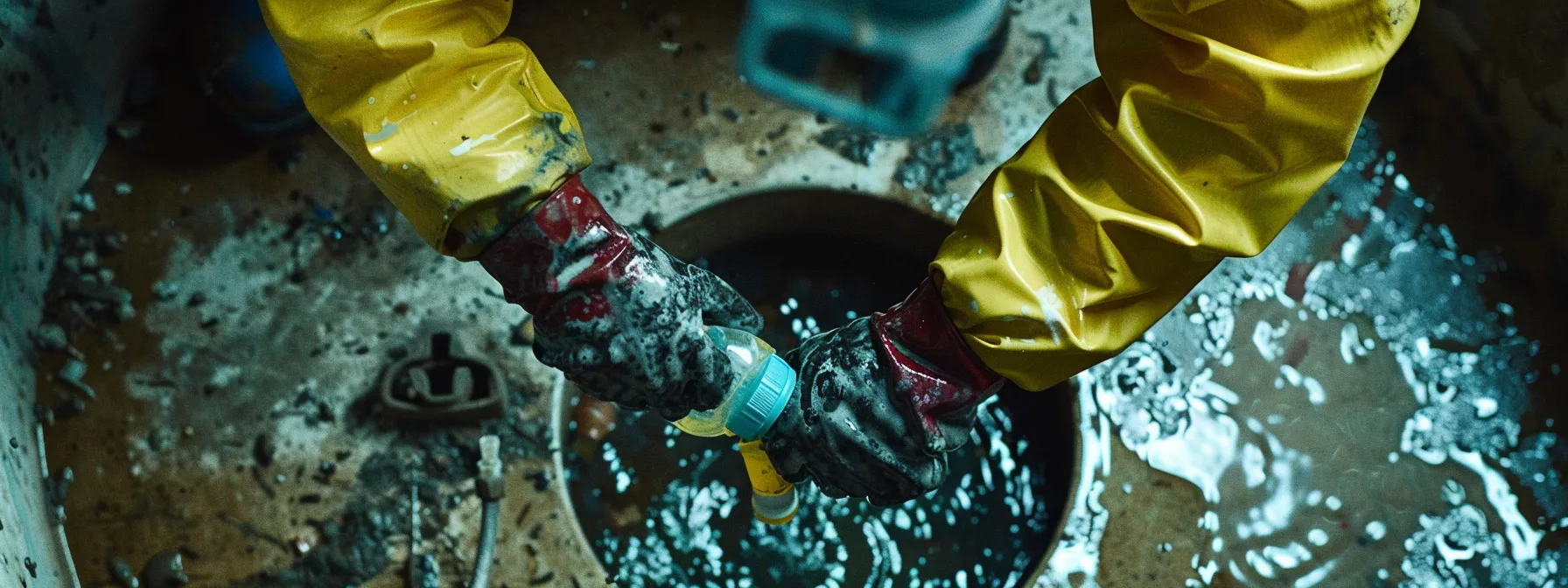
Chemical drain cleaners can be a quick fix for clogged drains, but they should be used with caution. These cleaners often contain harsh substances that can erode pipes over time, especially in older or PVC plumbing. When selecting a chemical cleaner, choose one that is suitable for your type of plumbing and follow the instructions meticulously.
Safety precautions are paramount when using chemical solutions. Wear gloves and goggles to protect your skin and eyes from splashes. Ensure the room is well-ventilated to avoid inhaling toxic fumes. It’s also critical never to mix different cleaners, as this can cause dangerous chemical reactions.
If the clog persists after using a chemical cleaner, do not immediately attempt other measures, as lingering chemicals can pose a risk. Wait a sufficient amount of time or consult a professional to avoid possible injuries or damage to your plumbing system. Indeed, there are instances when a professional’s expertise and equipment are crucial for safe and effective unclogging.
Clogged sinks and drains are common household issues that can usually be addressed with a variety of DIY techniques. However, when home remedies fail, and warning signs of more serious problems emerge, calling in a professional plumber becomes the safest and most efficient solution to protect your home’s plumbing integrity.











Add Your Comment