


Laser treatments have become a popular choice for improving skin texture, reducing pigmentation, and addressing acne scars — but not all lasers are created equal. If you’ve been exploring options for clearer, smoother skin, you may have come across Pico Laser.
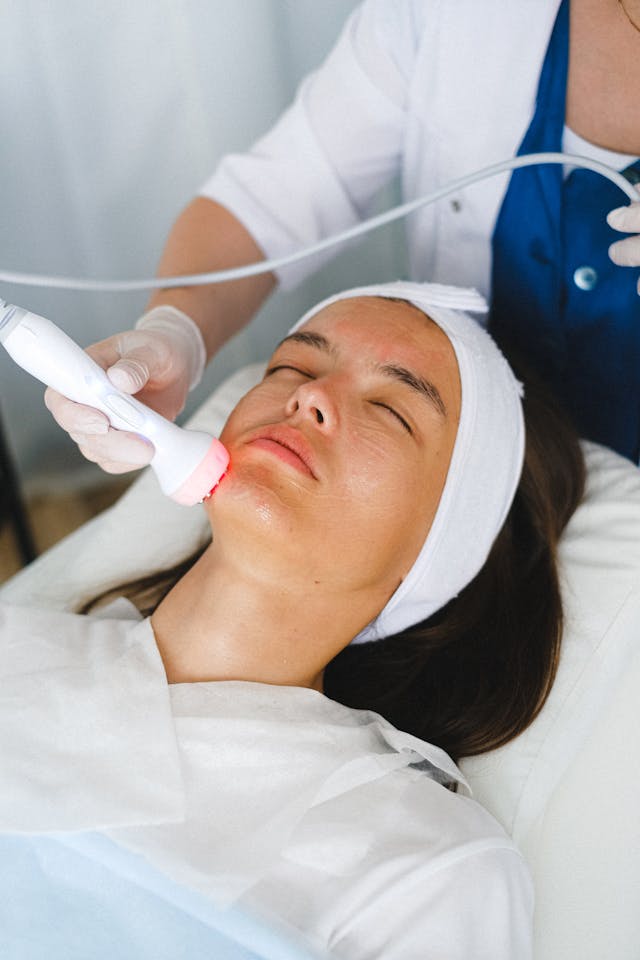
Unlike older laser systems that rely on heat and longer pulses, Pico Laser uses ultra-short bursts of energy to treat skin concerns more precisely and with less damage to surrounding tissue. The result? A more comfortable experience, faster healing, and noticeable improvements with fewer side effects.
If you’re new to laser treatments, this guide will help you understand how Pico Laser treatment works, what it can treat, and why it may be a better option for your skin goals.
What Is Pico Laser?
Pico Laser is a non-invasive skin treatment that utilises picosecond technology — delivering laser energy in trillionths of a second. These ultra-fast pulses break down pigmentation and stimulate collagen production without relying on heat, making the treatment significantly gentler on your skin.
Traditional lasers often use thermal energy to “burn” unwanted pigment or resurface skin, which can lead to extended recovery times and increased risk of irritation or complications. In contrast, Pico Laser employs photoacoustic energy to shatter pigment into microscopic particles, which your body’s natural lymphatic system then eliminates.
According to DermNet NZ’s comprehensive laser treatment resource, picosecond lasers represent a significant advancement in dermatological care, offering effective treatment for both epidermal and dermal pigmentation with reduced risk compared to conventional systems.
Because of its precision and reduced thermal impact, Pico Laser is suitable for a wide variety of skin tones and types, with a substantially lower risk of post-inflammatory hyperpigmentation — a common concern with older laser technologies.
How Pico Laser Works
The laser emits ultra-short pulses that create a pressure wave rather than heat. This wave targets pigmented cells, tattoo ink, or damaged skin tissue, breaking it down at a microscopic level while sparing surrounding healthy tissue.
Pico Laser also stimulates collagen production in the dermis, which helps improve overall skin texture, elasticity, and tone. Over a series of sessions, you’ll notice your skin becoming clearer, firmer, and more even.
Depending on the specific device used, your practitioner may adjust the settings to target different concerns, such as:
- Sun spots and age spots
- Melasma
- Post-acne pigmentation
- Fine lines and wrinkles
- Enlarged pores
- Uneven skin tone
Picosecond lasers are effective for treating both epidermal and dermal pigmentation, offering a non-ablative way to improve skin appearance with reduced risk.
Benefits of Pico Laser Treatment
Pico Laser is often considered a versatile, low-downtime treatment that suits busy lifestyles. Here are some of its key benefits:
1. Minimal Downtime
You may experience slight redness or swelling after the session, but this typically resolves within a few hours to a day. There’s no peeling or crusting like you might see with ablative lasers, so you can return to your regular routine quickly.
2. Suitable for Sensitive Skin
Because it uses photoacoustic rather than thermal energy, Pico Laser is gentler and safer for darker skin tones or those prone to sensitivity.
3. Effective Pigmentation Removal
Pico Laser breaks down excess melanin more efficiently than older lasers, making it effective for treating sunspots, freckles, and uneven skin tone.
4. Helps with Acne Scars
By stimulating collagen at a deeper level, Pico Laser helps reduce the appearance of pitted acne scars over time.
5. Non-Ablative and Comfortable
No cutting, burning, or aggressive resurfacing is involved. Most people describe the sensation as tolerable — similar to a rubber band snapping lightly on the skin.
What to Expect During and After Treatment
A typical Pico Laser session lasts around 15 to 30 minutes, depending on the area being treated. You won’t need anaesthesia, although a numbing cream may be applied to reduce discomfort.
After treatment, your skin may appear slightly flushed, but you can apply sunscreen and makeup as usual the next day. Most people return to work or errands immediately following their session.
Multiple sessions (typically 3 to 6) are recommended for optimal results, especially when treating pigmentation or acne scars. Your provider will space these sessions a few weeks apart to give your skin time to respond and heal between treatments.
Is Pico Laser Right for You?
Pico Laser is suitable for most skin types and is particularly helpful if you:
- Have sun damage, freckles, or hyperpigmentation
- Struggle with melasma or uneven tone
- Are recovering from acne and want to reduce scarring
- Want rejuvenation without downtime
- Prefer a non-ablative, low-risk approach
While results are gradual, most people begin noticing improvements after their first few treatments — clearer skin, fewer dark spots, and a smoother overall appearance.
Conclusion
If you’re looking for a skin treatment that offers real results without a lengthy recovery time, Pico Laser may be the answer. It combines precision, speed, and safety — making it ideal for treating pigmentation, acne scars, and signs of ageing.
Whether you’re just starting your aesthetic journey or looking to upgrade from older treatments, Pico Laser provides a modern, science-backed approach to skin rejuvenation. For best results, schedule a consultation with a trained provider to see if this treatment fits your goals.











Add Your Comment