


Scars tell stories, but not everyone wants to carry those reminders forever. Some come from childhood injuries, some from surgery, and others from acne that lingered longer than expected. Over time, many people begin to wonder if anything can be done to soften their appearance. In places like Beverly Hills, where skincare and self-care are part of everyday conversations, it’s common to see people exploring treatment options that feel realistic and approachable.
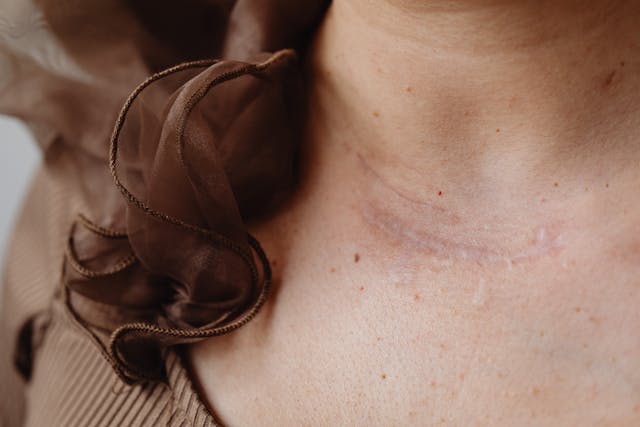
Before booking a visit, most people spend time learning about scars, how they form, and what treatments might help. Research around skin treatments also shows promising results. In one clinical study on scar therapy, 40 patients (76%) were effectively treated for scars, while 6 were treated for wrinkles and 6 for skin discoloration, highlighting how targeted care can address different skin concerns over time.
If you’re thinking about getting professional advice, here’s what that first visit usually looks like, not in clinical terms, but in real-life moments and conversations.
- You’ll Start With a Conversation About Your Scar Story
The first part of a consultation rarely begins with treatments. It starts with listening. A specialist will usually ask how the scar formed, how long you’ve had it, and whether it has changed over time.
Conversations about long-standing scars often begin quietly, sometimes after years of avoiding the topic altogether. For many, the shift happens during a broader search for solutions, and that’s often when options for scar removal in Beverly Hills enter the discussion. It becomes less about hiding a mark and more about understanding what modern treatments can realistically improve.
When people start looking into professional skin rejuvenation, Dr. Paul Nassif’s name tends to come up for his thoughtful, customized approach. Rather than offering a one-size-fits-all solution, he evaluates things like scar type, skin tone, and how a patient typically heals before suggesting a treatment plan, often incorporating advanced laser options where appropriate.
That thoughtful process tends to replace uncertainty with clarity, helping people feel more informed and comfortable about taking the next step.
- A Close Look at the Skin
After the first conversation, attention gently shifts to the scar itself. The provider studies it closely, noticing the size, depth, color, and texture. Some scars sit raised above the skin. Others dip inward. Some have faded over time, while others still look active or uneven.
This part is usually calmer than people imagine. There are no complicated machines right away. It’s mostly careful observation and thoughtful questions. The specialist wants to understand how the skin healed, what may have influenced it, and how it has changed over time.
In that quiet moment, many people feel something unexpected. They feel relieved. Someone is finally paying attention, explaining what they see, and offering realistic guidance about what improvement may look like.
- You’ll Learn That Not All Scars Are Treated the Same Way
Many people assume there’s one standard solution for scars, especially on the face. In reality, treatment depends on the type of scar, its age, texture, and the skin’s response. Raised scars, acne scars, and pigmented marks often require different approaches.
This is where consultations tend to shift from guesswork to clarity. Instead of jumping straight into procedures, providers often take time to assess skin texture, scar depth, and overall healing patterns. Options such as laser resurfacing, microneedling, or carefully layered combination treatments may be discussed based on individual needs rather than a standardized plan.
When exploring facial scar removal, many people begin to understand that no two scars respond the same way, and treatment should reflect that nuance. That level of personalization often replaces uncertainty with direction, helping individuals feel less overwhelmed and more confident about what comes next.
- Honest Expectations are Made
One of the most helpful parts of the visit is the discussion around results. People sometimes arrive hoping a scar will completely disappear. In practice, specialists usually focus on improvement rather than perfection.
You’ll likely hear what can really change: smoother texture, lighter color, less noticeable depth. And just as important, what may stay the same.
These honest conversations help set the right expectations early on. It feels practical, not discouraging.
- Your Skin Type and Healing History Matter
Another thing that comes up during a consultation is how your skin usually heals. Some people get scared easily. Others heal with very little effect. This history helps guide the next steps.
Providers may ask about past surgeries, acne, or injuries. Even small details can help them understand how your skin responds to treatment. From what we’ve seen, this part makes people realize that treatment plans are more personal than they expected.
It’s not just about the scar. It’s about how your skin behaves overall.
- You’ll Talk About Comfort, Timing, and Daily Life
A consultation isn’t only about the scar itself. It’s also about how treatment fits into your life. How much time you have. What your routine looks like. Whether the scar causes discomfort or just a visual concern.
These conversations help shape a plan that feels realistic. Many people also spend time reading patient-friendly dermatology resources like the American Academy of Dermatology to better understand skin health and scar treatment before deciding on any next step.
It’s a slower process than people expect, and that’s usually a good thing.
- You Leave With Information, Not Pressure
One of the biggest surprises is that the first consultation doesn’t usually end with a decision. Instead, people leave with more clarity. A better understanding of their scar. A sense of what options exist, which gives them the time to think.
From experience, this is what makes the visit feel comfortable. There’s space to ask questions, process the information, and decide what feels right later. Many people appreciate having that breathing room instead of feeling rushed into anything. It allows them to go home, reflect, and talk things over with family or close friends if needed.
That pause can make a big difference and help the decision feel more personal and well thought out.
Conclusion
The first scar removal consultation isn’t as intimidating as it sounds. It’s a conversation, an evaluation, and a chance to learn what’s possible for your skin. No big commitments. Just information and guidance.
For many people, the hardest part is simply walking through the door the first time. After that, the process feels more like a step toward understanding rather than a rush toward treatment. And sometimes, just having that understanding is exactly what people look for in the first place.









Add Your Comment