


Heading to the mountains with children can be one of the most rewarding ways for families to connect with nature, slow down from daily routines, and create lifelong memories together. Crisp air, dramatic landscapes, and the sense of adventure that comes with mountain travel spark curiosity and excitement in kids of all ages.
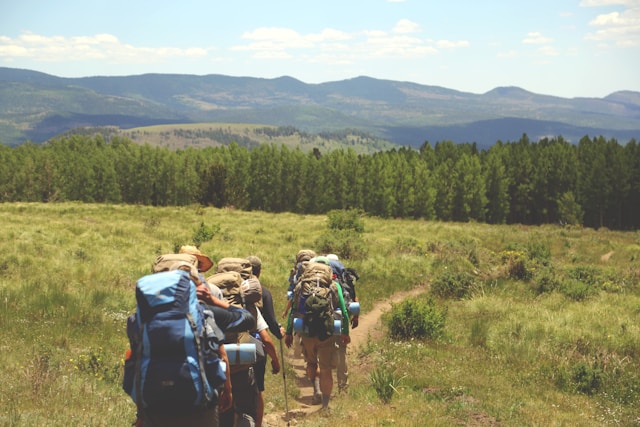
Mountain environments can be unpredictable and physically demanding for young travelers. Changes in weather, altitude, terrain, and limited access to services mean parents need to plan carefully and think ahead.
Why Family Mountain Travel Is Different
Taking children into the mountains is a wonderful opportunity for family bonding, fresh air, and adventure. Mountain travel presents unique physical and environmental challenges that require thoughtful planning.
Mountains can be unpredictable, with rapidly changing weather, thinner air at elevation, and terrain that tests both stamina and confidence. For adults, these conditions already demand respect. A successful mountain trip should balance exciting activities with safety, adequate rest, and adaptability to each child’s needs.
Choosing the Right Mountain Destination
When selecting a destination, consider the length and difficulty of trails, the accessibility of nearby towns or emergency services, and the trail environment: forests, exposed ridges, or steep scree slopes. Don’t feel pressured to aim for a summit like climbing the famous Mont Blanc unless your family has influential mountaineering experience. Choose locations that provide rewarding views without excessive risk.
Think about your base location. Mountain towns with amenities like family-friendly lodging, easy trailheads, and guided nature programs can make your trip more enjoyable and less stressful. Look for places with well-maintained paths and clear signage, helping both you and your children feel confident on the trail.
Assessing Your Children’s Readiness
Every child is different, and what works for one might not work for another. Before heading into rugged terrain, honestly evaluate your children’s physical and emotional readiness. Ask yourself:
- Have they hiked before?
- Can they handle several hours of walking with occasional breaks?
- Are they comfortable with varying trail surfaces?
- How do they respond to discomfort, fatigue, or surprises?
Some kids may get excited by challenges and change, whereas others may shut down with uncertainty. Plan shorter, easier hikes locally before your trip to build endurance and confidence. Use these outings to introduce them to gear and expectations, and to assess how they handle elevation change and longer durations on their feet.
Packing Essentials for Comfort and Safety
Mountains require more preparation than a day trip to the beach or a city tour. For children, comfort and safety items are important.
Start with clothing for variable weather. Mountain weather can shift quickly, and layers are necessary. Breathable base layers, warm mid-layers, waterproof shells, hats, and gloves are good staples. Good footwear that’s already broken in should be a priority.
Other must-haves include:
- Sunscreen and sunglasses (UV exposure increases with elevation)
- Plenty of water and high-energy snacks
- A basic first-aid kit tailored to kids
- Navigation tools (maps, compass, GPS)
- Headlamps or flashlights with extra batteries
If you’re planning more ambitious hikes, trekking poles for adults and older kids can help with balance. For younger children, carrier backpacks are a better choice than letting them walk every step of the way.
Health, Altitude, and Emergency Planning
Mountain environments can pose health risks that don’t exist at lower elevations. One of the most meaningful concerns is altitude sickness, which can affect both adults and children when gaining elevation too quickly.
Symptoms may include headache, nausea, fatigue, and dizziness. Start with gradual ascents and plan rest days so your family can acclimatize. Keep an eye out for signs of distress and be prepared to descend if symptoms appear.
Carry simple emergency communication tools, including a fully charged mobile phone, portable charger, or a personal locator beacon if venturing into remote areas. Knowing where the nearest ranger stations, medical facilities, and safe shelter points are located will help you act confidently if you need assistance.
Making It Fun for Children
Keeping children engaged and excited makes the journey enjoyable for everyone. Encourage curiosity by turning hikes into nature scavenger hunts. Look for animal tracks, identify local plants, or find rocks with unique textures and colors. Involve kids in simple navigation tasks like reading trail signs or using a compass.
Plan frequent breaks for snacks, hydration, and just enjoying the scenery. Short, purposeful rests prevent fatigue and build excitement for the next segment of the trail. Praise accomplishments (big or small) and let kids set small goals.
Remember that kids have different energy rhythms than adults. Be flexible, and if a trail becomes too long or difficult, don’t hesitate to turn around and try something shorter next time. The goal is positive memories, not endurance tests.
Heading to the mountains with children can be one of the most rewarding family experiences when it’s approached with care, planning, and realistic expectations. The mountains offer a powerful setting for connection (both with nature and with one another) and demand respect for their challenges. Families can turn potential obstacles into meaningful learning moments.











Add Your Comment