


Maintaining healthy eyes is crucial in today’s digital age, where prolonged screen time and environmental factors put extra strain on our vision. Regular eye exams, proper nutrition, and protecting your eyes from UV rays are key steps in preserving eye health.
Blue light emitted by screens can disrupt sleep and cause digital eye strain. Adopting simple habits, like taking screen breaks and using protective eyewear, can help safeguard your eyes and prevent long-term damage.
Get Regular Eye Exams
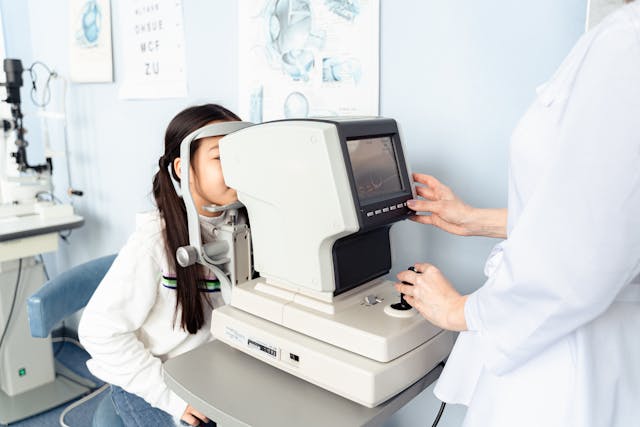
Regular eye exams are important for identifying potential issues before they become serious problems. Even if you’re not experiencing noticeable vision changes, an eye exam can detect early signs of conditions like glaucoma or macular degeneration. Optometrists can assess your eye health and recommend corrective lenses, if needed, which can be vital in preventing further damage.
Eye exams help monitor your vision as it changes. Kids, adults, and seniors alike should schedule routine exams to ensure that their eyes are functioning at their best.
Early detection can make a significant difference in preserving your eyesight. If you’re spending a lot of time using digital devices, your optometrist may suggest strategies to reduce digital eye strain.
Limit Blue Light Exposure and Screen Time
Blue light from digital devices has become a major concern for eye health. Prolonged exposure can cause digital eye strain, leading to dryness, irritation, and blurred vision. It disrupts sleep patterns by interfering with the production of melatonin, a hormone that helps regulate sleep.
To minimize blue light exposure, try using the 20-20-20 rule: every 20 minutes, take a 20-second break and look at something 20 feet away. This simple practice reduces strain and offers your eyes a much-needed rest.
One of the most effective solutions is wearing blue light glasses, which filter out harmful blue light. They reduce eye strain and improve sleep quality for individuals who spend extended hours on screens.
Protect Your Eyes from UV Rays
Just like your skin, your eyes need protection from harmful UV rays. Prolonged exposure to ultraviolet (UV) radiation can increase the risk of cataracts and other serious eye conditions. To minimize this risk, it’s pivotal to wear sunglasses that offer 100% UV protection when outdoors.
Sunglasses with polarized lenses are an excellent option, as they help reduce glare from reflective surfaces like water or roads. This reduces eye strain and makes it easier to see in bright conditions. Make sure to choose high-quality sunglasses, as cheaper options may not provide adequate UV protection.
Hats with wide brims can offer extra protection from UV exposure. These simple measures can help maintain your eye health and prevent long-term damage from harmful rays.
Eat a Balanced Diet for Eye Health
What you eat directly affects your eye health. Nutrients like vitamin A, vitamin C, and omega-3 fatty acids are key for maintaining the health of the retina and preventing age-related eye conditions. Carrots, leafy greens, fish like salmon, and nuts are excellent food choices to support your vision.
The antioxidant properties found in foods such as berries, spinach, and kale can help protect your eyes from oxidative stress and damage. A diet rich in these nutrients can slow the progression of macular degeneration, one of the leading causes of vision loss in older adults.
Incorporating these foods into your meals can help ensure your eyes receive the nourishment they need to stay healthy for years to come. A balanced diet will benefit your eyes and support your health.
Sleep Well to Promote Eye Health
Getting enough rest is critical for maintaining healthy eyes. During sleep, your body and eyes repair themselves from the strain of the day. Insufficient sleep can lead to dry eyes, increased sensitivity to light, and even long-term vision problems.
Adequate sleep plays a critical role in regulating the production of tear film, which keeps your eyes moist. Without enough sleep, your eyes may become irritated, and you might experience discomfort while wearing contact lenses.
By ensuring you get 7-8 hours of quality sleep each night, your eyes will have time to rejuvenate. Healthy sleep patterns are beneficial for your eyes and improve your health and well-being.
Practice Proper Contact Lens Hygiene
For those who wear contact lenses, maintaining proper hygiene is crucial to prevent infections and ensure your eyes remain healthy. Always wash your hands thoroughly before handling your lenses, and follow your eye care provider’s instructions for cleaning and storing them.
Never wear your lenses longer than recommended, and make sure to replace them on schedule. Wearing lenses beyond their intended lifespan can lead to discomfort, dryness, and an increased risk of eye infections. Never sleep in your contact lenses unless instructed by your doctor, as this can reduce the amount of oxygen reaching your corneas.
Taking care of your contact lenses ensures your eyes stay healthy and comfortable, preventing long-term issues like eye irritation or infections.
Taking care of your eyes is a lifelong commitment. With regular eye exams, proper UV protection, a balanced diet, and enough sleep, you can maintain healthy vision. Simple steps like wearing sunglasses, limiting screen time, and using glasses can protect your eyes for the long term.
By staying proactive about eye care and mindful of technology’s impact, you’ll ensure your eyes remain sharp and vibrant for years to come.










Add Your Comment