


The eye area is often one of the first places to show signs of aging. Over time, the skin around the eyes naturally loses elasticity, and the underlying facial structures begin to shift. As this happens, the eyelids may appear heavier, less defined, or less smooth than they once were. While lifestyle changes, skincare products, and non-surgical treatments can help address mild concerns, they don’t always resolve more significant structural issues.
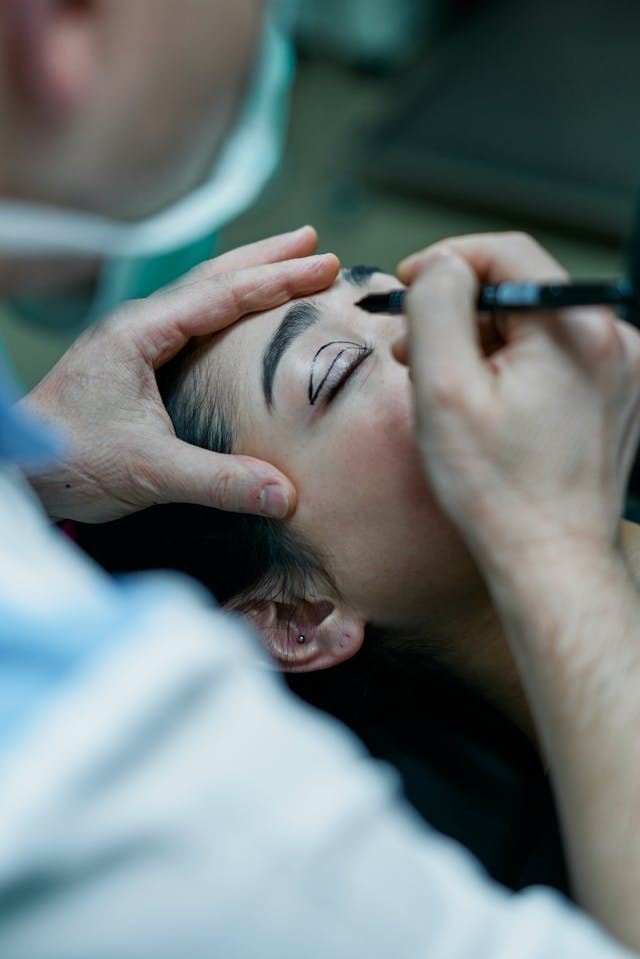
In these cases, surgical options, such as blepharoplasty, are often considered. The procedure has become increasingly common in cities like Boston, where people seek subtle, natural-looking ways to refresh the eye area. If you’re considering this option, understanding what blepharoplasty can treat is an important first step.
Let’s get started!
Your Eyes Look Constantly Tired
A persistent tired appearance around the eyes is often one of the first changes people notice. Even after a full night’s sleep, the eyes may appear heavy, shadowed, or less open. Drooping upper eyelids or excess skin can weigh down the eye area, creating a fatigued look that doesn’t reflect how rested or energetic someone feels.
This heaviness can also subtly affect facial expression. The eyes play a major role in conveying emotion, and when they appear closed off or weighed down, the face may unintentionally look older, less alert, or less expressive. Over time, this can lead people to feel that their appearance no longer reflects how they feel on the inside.
Excess Skin Interferes With Vision
In more advanced cases, excess upper eyelid skin can go beyond appearance and begin to interfere with vision. As the skin folds over the lash line, it may partially block the upper or peripheral field of view. This can make everyday activities—such as reading, driving, or working on a computer—more challenging.
To compensate, many people unconsciously raise their eyebrows throughout the day to lift their eyelids. This constant muscle engagement can lead to eye strain, forehead tension, or headaches. When eyelid skin affects both function and appearance, further evaluation is often recommended to determine whether corrective options may help improve comfort and visual clarity.
Persistent Puffiness or Under-Eye Bags
Under-eye puffiness that doesn’t improve with rest or lifestyle adjustments is another common concern. Temporary swelling caused by fatigue, allergies, or fluid retention tends to fluctuate—often appearing worse in the morning and improving as the day goes on. However, under-eye bags that remain consistent are usually structural rather than temporary.
As the natural support structures beneath the eyes weaken over time, fat pads that normally sit smoothly under the lower eyelids can shift forward. This creates a rounded or puffy appearance that doesn’t respond to eye creams, cold compresses, or changes in sleep habits. Because this type of fullness originates beneath the skin, topical solutions are often ineffective.
That’s why surgical approaches designed to address excess skin and underlying structural changes are often considered. Many individuals who undergo blepharoplasty in Boston at The Spiegel Center report that persistent under-eye puffiness significantly improves after the procedure. The treatment is approached with careful attention to eyelid and eye health, aiming to create a smoother under-eye contour.
Makeup and Skincare Are Less Effective
Many people notice that eye creams, serums, and makeup techniques stop producing noticeable improvement over time. Products may temporarily hydrate the skin, but they cannot correct excess tissue or bigger structural changes. Makeup may crease into skin folds or accentuate puffiness rather than conceal it.
When concealers and skincare products no longer deliver the results they once did, it often signals that the issue lies beneath the surface rather than within the skin itself. This realization is frequently what prompts people to seek a professional evaluation to better understand the underlying cause of their concerns.
You’ve Tried Non-Surgical Options Without Results
Non-surgical treatments can be effective for certain concerns, particularly when issues are mild or related to muscle movement or skin quality. However, these options have limitations. When injectables, skincare treatments, or lifestyle changes fail to improve eyelid issues, it often means that excess skin or displaced fat is the primary cause.
At this stage, surgical options may be considered to directly address the underlying structural issue rather than managing symptoms on the surface. Understanding this distinction helps set realistic expectations and supports informed decision-making.
Closing Thoughts
Eyelid changes are common and often develop gradually, but they can have a meaningful impact on appearance, comfort, and vision. Understanding the signs that blepharoplasty may help allows for thoughtful, informed decisions. With proper evaluation and a careful approach, eyelid surgery can address concerns in a way that looks natural, balanced, and appropriate for each individual.











Add Your Comment