


When was the last time you looked at the front of your house and really looked at it? Not just when you were bringing in groceries or trying to find the Amazon box before it rains. But really paid attention—to the siding, the color, the condition of the trim, the way it looks when the light hits it just right (or very wrong). Most of us don’t. Until something starts peeling, cracking, or warping.
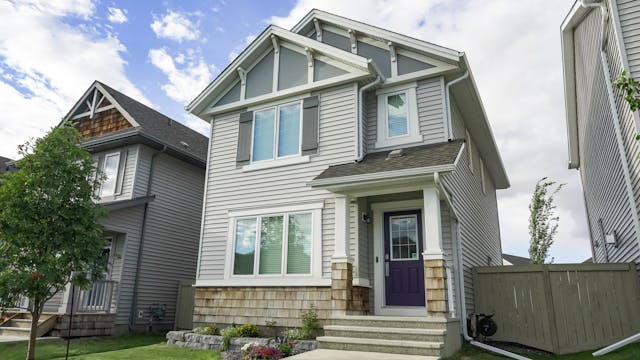
But here’s the truth: the exterior of your home isn’t just decoration. It’s not just about curb appeal or trying to impress the neighbors who may or may not even notice. It’s a signal. It tells the world—and more importantly, you—how your home is doing. And these days, with everyone a little more home-focused and a little more financially cautious, those signals matter more than ever.
We live in a time where first impressions are made on screens. But when it comes to your house, the real-life first impression still counts. Especially if you’re trying to sell, refinance, or just not feel mildly embarrassed every time you pull into the driveway.
In this blog, we will share how the outside of your home affects your day-to-day life, your property’s value, and even your comfort—plus what to do when your exterior starts sending the wrong message.
What Your Home’s Face Says About You
If your home looks worn out, it feels that way—even if the inside is flawless. Thanks to the “halo effect,” we judge based on appearances. A clean, well-kept exterior makes people assume the rest is just as solid. A neglected one? It invites doubts, even if nothing’s wrong inside.
This matters more now because the housing market is unpredictable. Prices are high. Interest rates are annoying. And homeowners are asking themselves: do I move, or do I improve? That’s where a reliable siding replacement company can completely shift your decision. By upgrading the exterior, you’re not just avoiding further damage—you’re redefining how your home is perceived. Both by potential buyers and by the people living inside it.
Replacing worn siding doesn’t just protect your home from weather. It also boosts insulation, improves energy efficiency, and—let’s be honest—makes it look like someone actually lives there who still cares. It’s a confidence move. For your house and for you.
Trends Are Shifting Toward Function, Not Just Flair
For years, home improvement trends leaned heavy on the aesthetic. Statement doors. Pops of color. Modern accents. But something shifted post-2020. People started looking beyond pretty. They wanted durability. Performance. Value. And when storms, heat waves, and wildfires became regular headlines, homeowners began asking harder questions.
Like: Will this material hold up during a brutal summer? How much maintenance does it need? Will this upgrade actually lower my utility bills?
This shift means exterior upgrades aren’t just for show anymore. They’re about comfort. About control. And about being prepared for whatever weather the next decade decides to throw at us.
Siding plays a huge role in that. Not exciting? Maybe not at first. But knowing your walls aren’t leaking air or soaking in moisture makes a real difference. Better siding means fewer drafts, lower heating bills, and less noise from outside. It also means not having to paint again in five years, which, let’s be honest, no one looks forward to.
The Energy Factor You Didn’t See Coming
People love to talk about smart thermostats and solar panels. But siding is often the quieter hero when it comes to home efficiency. The Department of Energy has even pointed out that proper insulation and sealing—often tied directly to siding—can cut energy costs by up to 20%.
That’s a lot of money to save just by choosing the right material.
Vinyl, fiber cement, and engineered wood all come with insulation options. That matters if your winters feel like wind tunnels or your summers feel like you’re living inside a toaster. Combine good siding with solid windows and doors, and your energy use drops. So does your electric bill.
It’s also worth thinking long-term. Energy prices won’t magically drop. And every month that your home struggles to stay warm or cool, your wallet feels it. Upgrading your siding becomes less about design and more about sustainability. For your lifestyle and your bank account.
Curb Appeal Isn’t Just About the Neighbors
Sure, there’s a little pride in knowing your house looks better than the one across the street. But curb appeal does more than stroke your ego.
Real estate agents will tell you: the way a home looks from the outside directly impacts how quickly it sells. And how much it sells for. According to the National Association of Realtors, improving a home’s exterior brings some of the highest returns on investment. Why? Because it’s the first thing people see. It’s what makes them stop scrolling through listings or slow down as they drive by.
It also affects your own mood. Pulling into a driveway that feels put together sets a different tone for your day. It’s like wearing clothes that fit well. You carry yourself differently. The outside of your home works the same way. It shapes how you see the inside, even if nothing else changes.
You Don’t Need a Full Makeover to Make an Impact
Here’s the good news. You don’t have to go all-in with every update. Sometimes small, intentional changes are enough.
Replacing siding in stages, starting with the most damaged areas, is a practical way to work within a budget. Pair it with updated trim or a freshly painted front door, and suddenly your home looks refreshed. Add better outdoor lighting and simple landscaping, and you’ve got a whole new vibe.
The key is knowing what to prioritize. Focus on parts of your home that face the most wear. South-facing walls get more sun. Older wood may rot behind gutters. Look for warping, bubbling, or fading. These aren’t just cosmetic issues. They’re signs your exterior is no longer doing its job.
Your Home’s Message Is Up to You
Every home tells a story. The question is whether yours is telling the one you want. That’s not about judgment. It’s about intention.
Because what you see when you walk up to your front door isn’t just paint and panels. It’s the result of decisions. And those decisions shape how your home performs, how it feels, and how long it stays strong.
So the next time you find yourself staring at the front of your house, ask what it’s saying. And if the answer doesn’t sit right, you know where to begin.











Add Your Comment