


Watching a tiny seed sprout into a healthy plant brings a special kind of magic to any backyard. Many parents now look for ways to bring nature closer to home to teach children about where their food comes from. A backyard greenhouse offers a controlled space – a small oasis – where families can work together regardless of the weather outside. Getting started takes some planning and hard work, but the rewards of a home harvest are often worth the effort.
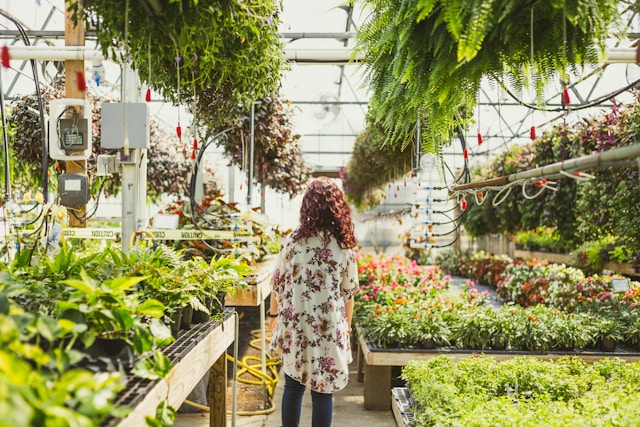
Strengthening Family Bonds Through Food
Growing your own produce provides a sense of security and health for the entire household. One gardening blog suggests that many parents now view a home greenhouse as a necessary family upgrade rather than a simple luxury. Spending time together in the dirt helps everyone slow down and connect after a busy week. These shared moments create memories that last much longer than the growing season.
Picking a Reliable Growing Setup
Selecting the right frame determines how long the building stands against local weather. High-quality structures from Rimol Greenhouse Systems provide the durability needed to protect expensive plants from heavy snow or wind. A sturdy base makes the initial investment much safer for your family budget.
Quality glazing and strong metal supports mean fewer repairs after big storms. Investing in a solid structure early on prevents many headaches as your garden expands. You want a frame that can handle the weight of your favorite crops.
Planning Your Backyard Layout
Before you start building, check with your local town office about building codes. A podcast for gardeners mentions that permits and size limits apply to greenhouses just like any other permanent structure. You must find a spot that gets plenty of sunlight throughout the day. Shadowy areas can stunt plant growth and make the heater work much harder.
Smart Tools for Modern Growers
Technology helps busy families manage their plants without spending every hour in the garden. A recent report notes that smart sensors and devices now monitor heat and moisture levels automatically. You can check on your lettuce or tomatoes from your phone as you go about your day.
Automated systems make the environment much more stable for sensitive crops. Industry experts explain that better climate control makes greenhouses more efficient and helps plants survive tough weather. This automation handles the small tasks so you can focus on the fun parts of gardening.
- Sensors track soil moisture levels.
- Automatic vents open when it gets too hot.
- Timed lights help plants grow during dark winter days.
- Smart heaters keep the frost away at night.
Lessons for the Younger Generation
Working in a greenhouse teaches kids about patience and responsibility in a hands-on way. A legal blog focused on families shared that growing vegetables with children is a very rewarding way to spend time together for as little as $50. Children love to see the results of their watering and care. They become much more likely to eat their greens when they help grow them.
Handling the Hidden Expenses
Running a greenhouse involves costs that go beyond the initial purchase price. One horticultural publication points out that labor often makes up 40% of the total yearly expenses for larger operations. Even at home, your time has value, and maintaining the space takes a regular commitment.
Heating and cooling a glass building can get expensive if you are not careful. A greenhouse supplier noted that energy costs are usually the biggest expense after labor for most growers. Better insulation can help keep these monthly bills lower.
The Future of Your Family Business
If your hobby grows into a small business, you may face new hurdles with staffing. A business blog mentions that many family-run farms struggle to find help when younger members choose different jobs. Scaling up requires a clear plan for who will do the daily work.
The market for medium-scale greenhouses is growing quickly as more people want local food. Business data shows that medium-sized operations now hold 36.5% of the global market share. This growth shows that small family ventures have a real place in the modern economy.
Modern trends focus on making these buildings more autonomous and cheaper to run. A trend report highlighted that new methods are making crop yields much more predictable for owners. These improvements help families turn a small backyard project into a successful long-term venture.
Sharing the harvest with your neighbors creates a strong sense of community. It feels great to hand over a basket of fresh cucumbers or bright red tomatoes to a friend. The greenhouse becomes a hub for conversation and kindness in the neighborhood. These connections make the hard work of weeding and watering feel much lighter. You find that growing plants is really about growing relationships with the people around you.











Add Your Comment