


In the realm of orthodontics, the one-size-fits-all approach is becoming increasingly obsolete. As we advance in our understanding of dental health and patient needs, the importance of individualized care in orthodontic treatment has never been clearer. Tailoring treatment plans to the unique requirements of each patient not only enhances the effectiveness of the treatment but also significantly improves patient satisfaction and outcomes.
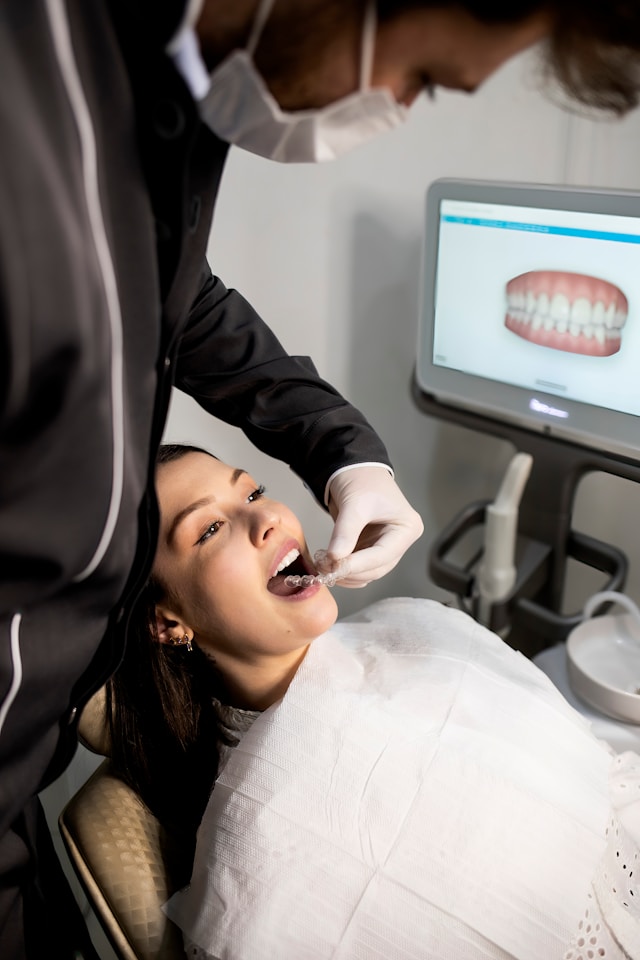
Orthodontic treatment is not merely about straightening teeth; it encompasses a comprehensive understanding of facial aesthetics, jaw alignment, and overall oral health. Each patient presents a distinct set of challenges and goals, which is why personalized orthodontic services for all ages are essential. By focusing on individual needs, orthodontists can create bespoke treatment plans that consider factors such as age, dental history, and lifestyle.
Understanding Individual Needs
Every patient is different, and their orthodontic needs can vary widely. For instance, children may require different approaches compared to adults. In children, the focus might be on guiding the growth of the jaw and ensuring that permanent teeth emerge correctly. In contrast, adults may seek treatment for aesthetic reasons or to address long-standing dental issues.
Moreover, individual preferences play a significant role in treatment choices. Some patients may prefer traditional metal braces, while others might opt for more discreet options like clear aligners. Understanding these preferences is crucial for orthodontists to foster a collaborative relationship with their patients, ensuring that they feel involved in their treatment journey.
The Role of Technology
Advancements in technology have revolutionised the field of orthodontics, making it easier to provide individualised care. Digital imaging and 3D printing allow orthodontists to create precise models of a patient’s teeth and jaw, enabling them to design tailored treatment plans. These technologies not only enhance the accuracy of diagnoses but also allow for more predictable outcomes.
For example, using digital scans, orthodontists can simulate the expected results of various treatment options, helping patients visualise their potential outcomes. This level of transparency builds trust and empowers patients to make informed decisions about their care.
The Benefits of Individualised Care
The advantages of individualised orthodontic care extend beyond mere aesthetics. Here are some key benefits:
Enhanced Treatment Efficiency
When treatment plans are tailored to the specific needs of a patient, the efficiency of the process improves. For instance, a customised approach can reduce the overall treatment time by addressing issues more directly. This is particularly important for adults who may have busy schedules and prefer shorter treatment durations.
Improved Patient Compliance
Patients are more likely to adhere to treatment plans that resonate with their personal preferences and lifestyles. For example, if a patient is concerned about the visibility of braces, offering a clear aligner option may lead to better compliance. When patients feel that their treatment aligns with their individual needs, they are more likely to engage actively in their care.
Better Aesthetic Outcomes
Individualised care allows orthodontists to consider not just the alignment of teeth but also the overall facial aesthetics. By taking into account the patient’s facial structure and personal goals, orthodontists can create a smile that complements their features. This holistic approach can lead to more satisfying results, enhancing the patient’s confidence and self-esteem.
The Importance of Communication
Effective communication is a cornerstone of individualised care. Orthodontists must take the time to listen to their patients, understand their concerns, and discuss their goals. This dialogue is essential for developing a treatment plan that aligns with the patient’s expectations.
Regular check-ins throughout the treatment process also play a vital role. These appointments provide opportunities for orthodontists to assess progress, make necessary adjustments, and address any concerns the patient may have. This ongoing communication fosters a sense of partnership between the orthodontist and the patient, which is crucial for successful outcomes.
The Role of Education
Educating patients about their treatment options is another critical aspect of individualised care. Many patients may not be aware of the various orthodontic solutions available to them. By providing clear, accessible information, orthodontists can empower patients to make informed choices that best suit their needs.
For instance, discussing the pros and cons of different types of braces or aligners can help patients understand what to expect and how each option aligns with their lifestyle. This educational component not only enhances patient satisfaction but also encourages a proactive approach to oral health.
Conclusion
In conclusion, the shift towards individualized care in orthodontics is not just a trend; it is a necessary evolution in the field. By recognising the unique needs of each patient and tailoring treatment plans accordingly, orthodontists can significantly improve treatment outcomes and patient satisfaction.
As we continue to embrace technological advancements and foster open communication, the future of orthodontics looks promising. Patients can expect more personalised, effective, and satisfying treatment experiences that cater to their individual needs.
For those seeking comprehensive and personalized orthodontic services for all ages, it is essential to consult with a qualified orthodontist who prioritizes individualized care. This approach not only ensures optimal results but also transforms the orthodontic journey into a collaborative and empowering experience.










Add Your Comment