


When it comes to nurturing a child’s creativity, many parents look beyond standard academics. Parents want learning experiences that enrich their children’s minds and help them grow into confident, well-rounded young people. One powerful way to do this is through group lessons—structured learning sessions where kids come together to engage in activities such as art, music, sports, fashion design, and more.
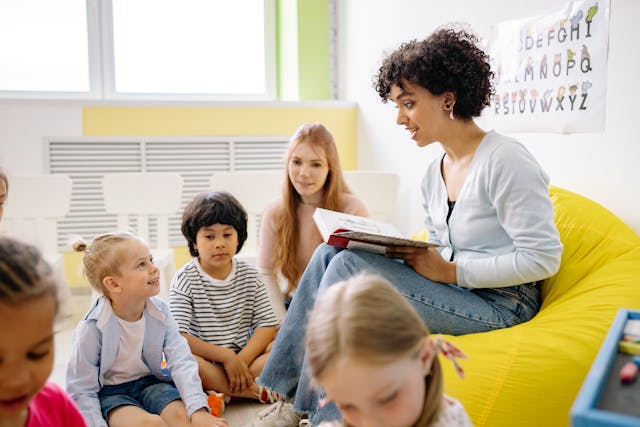
For children, these lessons are more than learning a new hobby; they are opportunities to build lasting friendships, gain social confidence, and discover their unique talents in a collaborative environment. And for families exploring educational extras—especially those homeschooling their children—group lessons provide an ideal blend of learning and social interaction.
Why Choose Group Lessons?
The concept of group learning is not new. From kindergarten circle time to after-school clubs, kids thrive when they learn alongside their peers. But what makes group lessons different is their carefully structured approach. These lessons involve hands-on learning in a collaborative environment, blending skill-building with teamwork, creativity, and fun.
Here are some of the most meaningful benefits parents see when their kids join group learning opportunities:
- Social Development: Children learn valuable skills like sharing ideas, listening to others, and supporting their peers’ work.
- Confidence Boosting: Performing a task in front of peers, whether it’s presenting a project or showing off a finished piece of art, helps children become more self-assured.
- Teamwork and Collaboration: Kids discover the importance of working together to reach a common goal, such as finishing a group project or solving a creative challenge.
- Motivation and Inspiration: Learning alongside peers fuels a sense of healthy competition and, more importantly, motivation to keep going. Kids often inspire each other in ways adults can’t replicate.
- Practical Life Skills: Whether kids are measuring fabric for sewing, working through music scales, or practicing a new sport, group classes teach patience, responsibility, and resilience.
Creative Learning in Group Settings
One of the biggest advantages of group lessons is the flexibility they provide in terms of subject matter. While traditional tutoring sessions may focus on academic reinforcement, groups often lean into creative, hands-on areas that encourage kids to think differently.
For instance, a group sewing class might teach children basic stitching and fabric design, but what they’re really learning is perseverance, problem-solving, and artistic expression. Similarly, in a dance or theater group classes, the focus is on performance and practice, but kids also walk away with a stronger sense of teamwork and communication.
In settings where kids are free to create and experiment without the pressure of grades or standardized testing, remarkable growth happens. Their creativity blossoms, and they begin to view learning as something joyful and exciting rather than a chore.
Group Lessons and Child Development
Experts regularly emphasize the importance of hands-on learning for child development. Group learning environments add another layer by combining active, project-based learning with peer collaboration. This is particularly beneficial for children who may feel shy or lack confidence in solo activities.
Through group lessons, kids learn to:
- Express themselves without fear of judgment.
- Respect different perspectives and cultural backgrounds.
- Solve problems in cooperative and often unique ways.
- Develop resilience by seeing setbacks as opportunities for improvement.
For children who may otherwise struggle with traditional classroom structures, group classes provide a refreshing balance. These kids thrive when they can move, create, and experiment rather than sit at a desk all day.
The Role of Group Lessons in Homeschool Education
For homeschooling families, group lessons hold even greater value. One challenge many homeschooling parents face is ensuring their children receive enough peer interaction. While homeschooling provides flexibility and personalized education, kids also need opportunities to socialize, collaborate, and work in teams. Group classes bridge that gap beautifully.
One fantastic option for families is home school group lessons. These programs are designed to deliver the structured learning of a classroom with the creativity and excitement of an extracurricular activity. Whether it’s fashion, design, or another hands-on subject, these classes allow homeschooling children to grow socially and academically.
By combining creativity with group collaboration, such lessons provide a space where homeschoolers can meet peers, develop teamwork skills, and gain the experience of learning in a community—all while engaging in subjects they love.
How Group Lessons Build Confidence
Confidence doesn’t happen overnight—it’s built step by step through practice, achievements, and encouragement. Group lessons provide children the space to experiment, make mistakes, and learn without judgment. Every small success, from sewing a straight stitch to completing a group dance routine, builds confidence that extends into other areas of life.
Children also gain confidence from peer reinforcement. When classmates cheer one another on, the affirmation makes a powerful impact. Over time, kids stop fearing mistakes and instead embrace them as a pathway to getting better. This shift in mindset is one of the most valuable takeaways from group learning settings.
The Social Benefits Parents Notice
Parents often report that group lessons help their children become more outgoing and adaptable. Children who might be hesitant to speak up in a traditional classroom often find themselves far more comfortable contributing ideas in a smaller, creative group setting.
Friendships formed during group activities can also become long-lasting bonds. Shared experiences—like preparing a group performance or completing a big project—naturally bring kids closer together. These relationships extend beyond the classroom, giving children a supportive peer network.
Real-Life Application of Group Skills
The skills children gain in group lessons are not confined to the classroom. They carry them into daily life and future endeavors. Being able to collaborate, listen actively, adjust to different personalities, and share responsibilities are all traits that prepare kids for high school, college, and eventually their careers.
Moreover, the ability to think creatively and adapt to group environments equips children with resilience. Whether they pursue careers in creative fields, STEM industries, or service roles, these foundational experiences shape them into capable and thoughtful adults.
Choosing the Right Group Lessons for Your Child
Not all group lessons are the same, so parents should take time to find the right fit for their child’s needs and interests. Here are a few tips when evaluating programs:
- Look at your child’s passions. Do they love art, sewing, performing, sports, or music? Interest should be the guiding factor.
- Evaluate class size. Smaller groups often lead to more personalized guidance while still offering social interaction.
- Consider the structure. Look for programs with a balance of skill instruction, hands-on projects, and opportunities for collaboration.
- Meet the instructors. An encouraging and patient teacher can make all the difference in how your child experiences learning.
- Test the waters. Some programs offer trial classes, so you and your child can see if it’s a good fit before committing long-term.
Making Group Learning Fun
The best group lessons feel more like fun than work. Kids should leave the class excited to share what they’ve learned, proud of what they’ve created, and eager to return. Parents can help reinforce this excitement at home by asking kids about their projects, celebrating small achievements, and encouraging them to continue practicing their new skills outside of class.
When children associate learning with joy, their motivation to keep exploring grows. This is where parents see the true magic of groups: kids discovering that education isn’t just something that happens in a classroom—it’s a lifelong adventure.
Why Group Lessons Benefit Kids
Group lessons offer children the chance to learn new skills while building confidence, creativity, and strong social connections. They teach kids resilience, teamwork, and the joy of self-expression—qualities that are invaluable both in childhood and throughout life.
For homeschooling families, programs like home school group lessons provide an especially meaningful opportunity to balance personalized education with social development. But even outside of homeschooling, structured group classes in creative or skill-based fields are one of the best ways to help children grow academically, socially, and emotionally.
Above all, group learning environments show children that education can be both fun and rewarding. In a group setting, every child has the chance to shine, collaborate, and discover the confidence they carry with them for years to come.









Add Your Comment