


Your skin renews itself through a natural cycle. Old cells rise to the surface and shed, while newer cells take their place. But as you age, that cycle slows. Sun exposure, hormones, stress, and past breakouts can slow it even more.
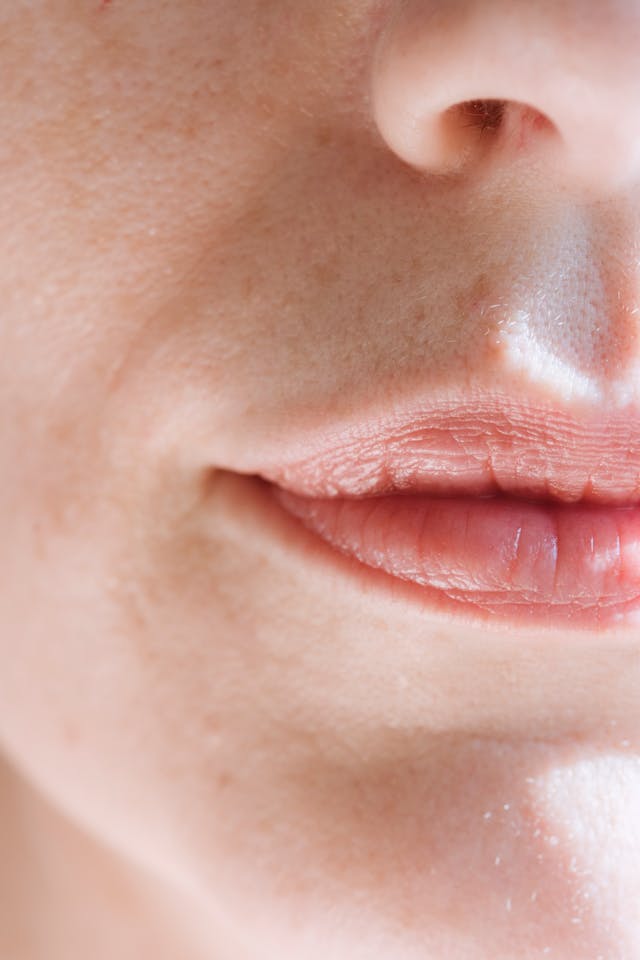
Dermatology research has shown that by your thirties, cell turnover can take nearly twice as long as it did in your teens. That delay shows up as uneven tone, rough texture, and dullness. Skin renewal treatments work by nudging that natural process along so your skin behaves more like it did before things slowed down. In Nashville, like many other parts of the world, professional skin renewal has become more popular over the last decade as people grow more interested in maintaining their youthful skin.
But before you book anything, it helps to understand what skin renewal really involves.
Knowing When You Are Ready for a Treatment
Not everyone needs skin renewal at the same time. The right moment usually shows up through small signs rather than dramatic changes.
You might be ready for skin renewal treatment if you notice the following:
- Your skin looks tired even when you feel rested
- Dark spots or redness take longer to fade
- Texture feels uneven no matter how gentle your routine is
- Breakouts heal but leave marks behind
Another sign is frustration. When you feel like you are doing everything right and still not seeing progress, professional treatments might make sense.
Choosing a Treatment That Matches Your Skin
This is where many people go wrong. Skin renewal is not one size fits all. Treatments vary in depth, recovery, and results. The best choice depends on your goals, your skin type, and how much downtime you can manage.
One of the most reliable options for renewal involves controlled exfoliation performed in a clinical setting. A very good example of such controlled exfoliation is the chemical peels. These treatments help remove built-up dead skin cells while encouraging fresh cells to surface. Many people turn to chemical peels in Nashville for this reason, as it provides visible improvement without jumping straight to more aggressive procedures. As such, clinics like Sherman Aesthetic Center often recommend chemical peels as a first practical approach to skin renewal, as it offers remarkable changes while still keeping the skin’s structure intact.
Another thing that makes this method appealing is its flexibility. Lighter chemical peels focus on brightness and texture with minimal recovery. Deeper options address stubborn pigmentation and early lines. Over time, repeated treatments can also support collagen activity, which helps skin look firmer.
What Most People Get Wrong About Skin Renewal
A common mistake is thinking one treatment will fix everything. Skin renewal works best when viewed as a process rather than a single appointment. Another issue is underestimating preparation and aftercare.
Before treatment, your skin should be calm. Recent sun exposure, harsh exfoliation, or irritation can change how skin responds. After treatment, protection matters. Fresh skin is more sensitive to UV exposure, which is why sunscreen use plays such a big role in maintaining results.
Aftercare Makes or Breaks Results
Another thing people get wrong is aftercare. Poor aftercare can reverse progress within weeks. So you need to take sun protection seriously to maintain your results. Consistent sun protection after exfoliating treatments reduces the return of dark spots and uneven tone.
After a renewal treatment, most providers recommend:
- Using a mild cleanser and fragrance-free moisturizer
- Wearing sunscreen daily, even on cloudy day
- Skipping heat-based workouts for a short time
Research shows that sun protection after exfoliating treatments reduced the chance of pigmentation returning. That step alone protects your investment.
Setting Expectations That Feel Realistic
Skin renewal improves clarity, texture, and tone. It does not freeze time. Results often appear gradually, starting with a smoother texture and improved glow. Tone usually evens out next. Fine lines soften with consistency rather than overnight change.
People who are happiest with their results tend to approach renewal with patience. They focus on steady improvement instead of dramatic shifts. That mindset makes treatments feel like part of self-care rather than a reaction to aging.
Conclusion
The beauty of skin renewal lies in how it fits into a bigger picture. When treatments are chosen thoughtfully and spaced properly, they support healthier skin over time. They also make daily skincare work better, since products absorb more evenly on fresh skin.
Understanding your skin, asking the right questions, and choosing treatments that respect your natural features can make all the difference. When you go into your next treatment informed and realistic, skin renewal becomes less about fixing flaws and more about maintaining skin that looks clear, smooth, and consistently well-cared for.











Add Your Comment