


You feel the setback the moment it happens. A sharp twinge in a knee during a 5K, a pulled hamstring at pickup soccer, or a sore shoulder after a weekend of yard work.
If aches linger and training stalls, you may start looking beyond ice and rest. That is where the Center for Regenerative & Performance Medicine can fit for some parents who want a non-surgical option to get back to daily life and workouts without long downtime.
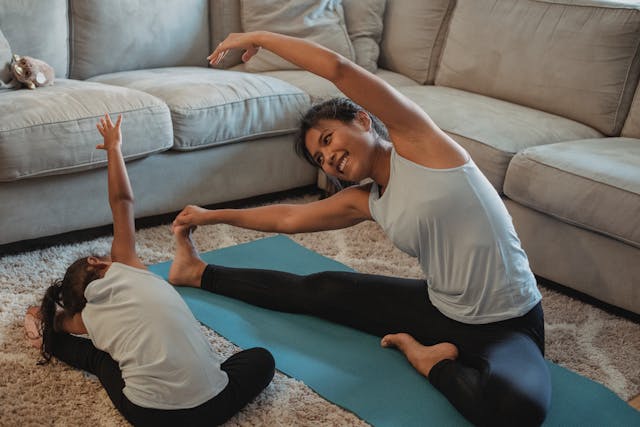
Photo by Kamaji Ogino
What Does Regenerative Care Mean
Regenerative orthopedic care uses your body’s own blood or bone marrow components to support healing in joints and soft tissues. The most common options are platelet rich plasma, often called PRP, and bone marrow concentrate, sometimes called BMC.
Clinicians use ultrasound or X-ray guidance to place these injectates where tissue is irritated or injured. The goal is simple, reduce pain and improve function so you can return to normal routines.
This approach is not a magic fix. It belongs on the same spectrum as physical therapy, activity modification, strength training, good sleep, and nutrition.
For active moms who plan their week around school runs, work, and training time, the appeal is that these procedures are done in a clinic, usually take under two hours including prep, and involve little to no time off work.
When It May be Worth a Conversation
Patterns that point to a good talk with a sports medicine doctor include:
- You have knee pain from early osteoarthritis or a cartilage wear pattern, and basic measures have not helped.
- You have a tendon issue, like tennis elbow or Achilles tendinopathy, that keeps flaring when you increase training.
- You have a sprain or strain that improves, then plateaus, even after a course of therapy and a smart return-to-run plan.
Orthopedic societies describe PRP and related “orthobiologics” as tools that may help certain patients manage pain and function, especially in early joint disease and overuse injuries, and sometimes delay surgery if symptoms improve. Evidence is mixed across conditions, which is why an exam and imaging review matter.
How PRP and Bone Marrow Concentrate are Prepared and Used
PRP starts with a standard blood draw. A centrifuge separates platelets from the rest of the blood. Platelets carry growth factors that signal healing. The clinician cleans the skin, uses local anesthetic, and injects PRP at the target site under guidance. You go home the same day.
Bone marrow concentrate starts with aspirating a small amount of bone marrow from the back of the pelvis using local anesthetic and light medication for comfort. The sample is processed to concentrate cells and growth factors, then injected where needed, again with imaging guidance.
For many patients the visit is outpatient and you leave with activity guidelines for the next few days.
Across both procedures, a typical plan includes a relative rest window, gentle range-of-motion work, and a progressive loading plan from a physical therapist. Clear instructions, realistic milestones, and coordination with your weekly schedule reduce guesswork during the first two to six weeks.
What Recovery Looks Like for Busy Moms
Most people can work and handle school logistics right after PRP or within a couple of days after BMC if their job is not highly physical. Expect some soreness for a few days. A common coaching plan follows three steps:
- Protect and settle symptoms for several days with short walks, easy mobility drills, and sleep consistency.
- Build capacity with two days a week of strength essentials, like split squats, hip hinges, calf raises, and pulling movements. Stronger legs and hips reduce joint load.
- Return to impact or sport with a measured plan, such as run-walk intervals or low-impact conditioning before you add speed or hills.
To keep momentum, line up care that fits your calendar. Many clinics coordinate visits around mornings or lunch hours so you do not miss pickups or meetings. If you train for time goals, ask for a written progression that ties weekly changes to symptom feedback and simple performance markers, like step count, interval pace, or time to fatigue.
What the Evidence and Guidelines Say
Families should know where the research stands. Large professional groups summarize the landscape like this, PRP and related biologics may reduce pain and improve function for some orthopedic conditions, especially early knee osteoarthritis and certain tendon problems.
Results vary across studies, product types, and dosing schedules, and high-quality randomized trials are still developing. In short, it can help the right patient when used by a trained team, but it is not guaranteed.
That is why a good clinic starts with a thorough exam. Expect a review of your activity history, prior treatments, imaging, and your goals. A responsible plan will also explain possible side effects, like short-term soreness or swelling, and how they manage rare complications.
Ask how the team tracks outcomes, how they decide between PRP and BMC, and how they tailor aftercare to runners, lifters, or court athletes.
How to Blend Treatment with Safe Training Volume
Most adults benefit from 150 minutes a week of moderate aerobic activity, or 75 minutes vigorous, plus two days of strength training. When you come back from an injury or procedure, you can break this up into shorter sessions and still meet the target.
A sample week for a parent might look like three 30-minute brisk walks or bike sessions and two 20-minute strength blocks that you can do at home.
Track three simple signals as you ramp up:
- Pain during activity should be mild and not spike the next morning.
- Function should improve every one to two weeks, like easier stairs or longer intervals.
- Recovery should feel normal within 24 hours after an easy session.
If pain climbs or function stalls for two weeks, circle back with your clinician. Early adjustments prevent longer setbacks.
Choosing a clinic that fits a parent’s life
Look for a team that treats active adults, uses ultrasound or fluoroscopic guidance, and works hand-in-hand with physical therapists and coaches. Ask for a clear cost breakdown, what is covered, and the expected number of visits.
Clinics that publish case examples and share outcome tracking can give you a picture of typical timelines.
Photo by Gustavo Fring
Bottom line for high performing moms
If you have an injury that will not settle and you want to stay active without surgery, a physician-guided plan that may include PRP or bone marrow concentrate can be one part of a safe return to strength and cardio.
Combine it with a measured training plan, consistent sleep, and progressive strength work. Partner with a clinic that explains the evidence and sets expectations in writing. That way your recovery supports the life you lead at home, at work, and on the move.










Add Your Comment