


Healthy eating isn’t what it used to be. For years, people counted calories, skipped carbs, and tried every trending diet that promised fast results. Yet by 2025, the world will have shifted. Food choices are now guided by science, not social media.
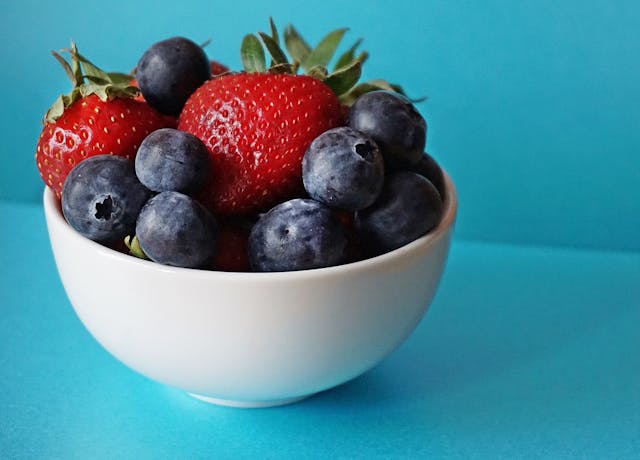
People are learning that smart eating isn’t about restriction — it’s about understanding what fuels your body best. From personalized meal plans to mindful habits, nutrition has finally caught up with technology and awareness.
In this article, you’ll explore what modern science says about better nutrition — from functional foods to organ health and the mindful habits that make eating feel natural again.
What “Smart Eating” Really Means in 2025
Smart eating is more than choosing a salad over fries. It’s about making informed decisions that suit your body, goals, and lifestyle. Science-backed nutrition means understanding what your body needs, instead of following one-size-fits-all advice.
Today, people use apps and wearables that track hydration, nutrient levels, and even sleep quality. These tools help create a picture of what works for each individual. Personalized nutrition has replaced diet culture — and that’s a good thing.
Instead of obsessing over calories, families now think about how food affects energy, focus, and immunity. A balanced plate is not about perfection but awareness. As experts say, awareness builds consistency, and consistency builds health.
Eating for Longevity and Organ Health
Food is powerful. Every bite you take directly affects how your organs work — from your heart’s rhythm to your kidneys’ filtering ability. That’s why many people are now paying closer attention to what they eat, tailoring their diets to meet their body’s unique needs.
Some focus on gut health, others on managing cholesterol or boosting energy naturally. And increasingly, many are adopting balanced plans that support specific organs. Let’s take kidneys, for example. Following a Kidney-Friendly Diet helps control sodium and potassium levels, reduces pressure on the kidneys, and keeps your body in balance overall.
These diets emphasize fresh vegetables, lean proteins, and fewer processed foods — small yet meaningful choices that protect your system for years. Experts at the National Kidney Foundation also recommend staying hydrated, cutting back on sugar, and adding healthy fats to keep inflammation in check. Eating for longevity isn’t about perfection; it’s about giving your organs steady, consistent care through everyday food decisions.
The Rise of Functional Foods and Everyday Super Nutrients
There’s a reason “functional foods” are becoming the backbone of modern diets. People no longer eat only for taste — they eat for purpose. Foods like oats, walnuts, flaxseeds, and yogurt are daily staples because they do more than fill you up.
Oats support heart health. Yogurt promotes gut balance. Berries fight inflammation, and fatty fish sharpen memory and focus. These are foods with real benefits, proven through decades of research.
Interestingly, a large number of people now prefer products that support long-term wellness. This shift means meals aren’t random anymore — they’re designed for strength, recovery, and better living. And the best part? Science says consistency with such foods helps reduce chronic disease risks dramatically.
Mindful and Sustainable Eating: The New Wellness Standard
Health and sustainability now go hand in hand. Mindful eating has become the core of how families and individuals connect with food. It’s no longer about rushing through meals — it’s about slowing down, tasting, and being present.
Science backs this approach, too. Studies show mindful eating can improve digestion, reduce overeating, and even enhance mood. People are also becoming more conscious about where their food comes from. Locally grown produce, plant-forward meals, and reducing food waste are now lifestyle goals, not just trends.
It’s a shift that benefits both people and the planet. When you treat food as nourishment rather than a number, you automatically eat better — and with purpose.
The Future of Food — What Science Predicts Next
The future of nutrition is exciting and personal. Researchers are developing ways to create diets based on gut microbiomes, metabolism, and even genetic profiles. Artificial intelligence will soon help people plan meals that match their health conditions, activity levels, and preferences.
There’s also a rise in sustainable innovations like lab-grown proteins and AI-driven meal planning. These solutions aim to make nutrition simpler and more planet-friendly. Scientists believe the next decade will see a major focus on prevention — using food to delay or avoid lifestyle diseases before they start.
The message is clear: the smarter your eating choices, the longer your health span. And this time, technology is your ally.
Closing Lines
Smart eating in 2025 isn’t about chasing trends — it’s about understanding your body and feeding it wisely. Science shows that small, consistent choices matter more than strict diets or temporary fixes.
When you focus on nutrient-rich, organ-friendly meals, you don’t just stay healthy — you build resilience from within.
In the end, smart eating is simple: listen to your body, trust science, and choose foods that help you live better every single day.










Add Your Comment