


Motor skills are the building blocks of a child’s proficiency to interact with their world. The indispensable skills enable children to accomplish daily functions, ranging from holding a pencil to bicycle riding. When motor skills progress normally, children become confident and independent in performing their daily activities. However, other children encounter problems that need special assistance and intervention. Knowing how to develop these skills through functional, active methods can help make an enormous impact on the development of a child. It is possible for parents, teachers, and medical professionals to cooperate in establishing environments that ensure healthy motor skill development by appropriate activity and regular practice.
Knowledge of Fine Motor Skills
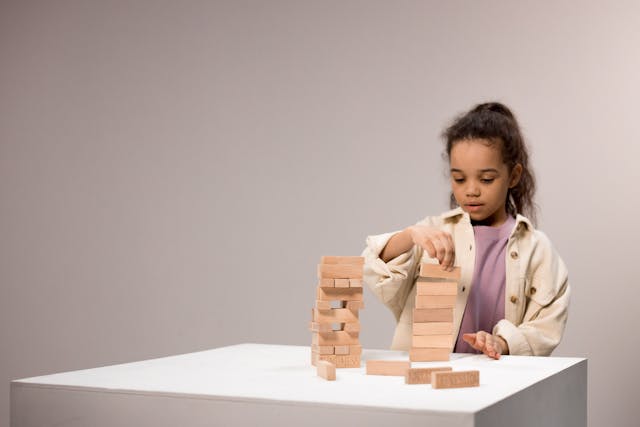
Fine motor skills deal with the coordination of small muscles in the hand and fingers. The skills are necessary for such tasks as buttoning, writing, cutting, and manipulating small objects. All these tasks are learned step by step by the child through repeated practice and exposure to a number of activities. Fine motor skills are initiated during infancy while the babies are grasping and manipulating objects and evolve throughout childhood when their coordination improves. Hand-strengthening activities, finger dexterity development, and hand-eye coordination are essential to enhance these skills. If needed, an occupational therapist can assess a child’s fine motor skills and recommend focused interventions. Children are encouraged to engage in activities to challenge their gross motor skills while remaining enjoyable and appropriate for their age, which assists in the construction of these important building blocks.
Constructing Gross Motor Skills
Large muscle groups are used by gross motor skills to enable children to perform movements like walking, running, jumping, and climbing. Gross motor skills form the building blocks of physical fitness, athletic performance, and body coordination. Gross motor skills are also naturally developed in children during movement and play activities. Balance, coordination, strength, and spatial awareness are developed through activities that are challenging to these skills. All these are available in playground equipment, sports, dance, and swimming, and all of them are good platforms where these skills can be practiced. If children struggle with gross motor coordination, systematic practice and professional guidance can help them improve. Giving children safe environments in which they can attempt new physical challenges encourages them to exercise confidence and motor skills as well.
Sensory Integration Activities
Sensory integration of input is essential in the development of motor skills. Kids need to process sensory input efficiently in order to plan and coordinate their movements and respond to their environment. Sensory activities with varying sensory experiences help children develop more effective body awareness and motor planning mechanisms. Tactile experiences like playing with various textures, proprioceptive activities like heavy work activities, and vestibular input through swinging or spinning can help in motor development. Sand play, water play, and discovery of materials provide rich sensory experiences that enhance motor abilities. Sensory processing problems in children can be addressed with structured sensory exercises that can help them learn to regulate their responses to environmental stimuli and become more proficient in their motor ability and daily functioning.
Creating Accommodating Home Environments
A home environment is crucial in children’s motor skill acquisition. Small changes and intentional activity choices can offer numerous possibilities for skill acquisition in a daily routine. Kitchen activities like stirring, pouring, and kneading are excellent fine motor training but also teach life skills. Child-compliant chores like sorting laundry or wiping down countertops build fine and gross motor skills. Proper tools and materials that are proportional to little hands encourage independent practice. Establishing specialized play spaces with diverse equipment and materials allows the child to acquire movement in a secure setting. Parents sensitive to the developmental needs of their child may incorporate motor skill activities into family life in a way that makes skill development functional and enjoyable.
School-Based Motor Skill Support
Schools play a key role in supporting children’s motor skill development through environmental adaptation and structured activities. Movement breaks, fine motor tasks, and sensory approaches can be incorporated into classroom routines by teachers. Utilization of adaptive equipment, adapted writing materials, and alternative seating can allow children with motor impairments to engage with success in class activities. Playground activities, physical education, and arts and crafts classes provide very good settings for the exercise of skills. Collaboration among teachers, parents, and therapy personnel ensures ongoing assistance in all settings. Early identification of motor skill challenges enables early intervention and prevention of educational issues that may arise as a result of subtle motor challenges. Schools with an emphasis on motor skill development offer integrated environments where all children are given opportunities to excel.
Professional Intervention and Support
Professional intervention becomes necessary when children have severe motor skill issues that affect their everyday functioning. Different healthcare professionals specialise in motor skill development and may offer extensive assessment and intervention services. Early intervention services assist young children in establishing basic motor skills during crucial development periods. Therapy sessions can involve one-to-one sessions, group work, and family education interventions. Families are given professional advice to recognize their child’s individual needs and learn techniques to facilitate development at home. Routine monitoring and modification of intervention methods allow children to continually make progress towards achieving goals. Accessing professional help when required can greatly enhance outcomes and enable children to reach their potential.
Building Confidence Through Success
Motor skill development thrives when children are successful and feel confident in their capabilities. Dividing difficult tasks into achievable steps enables children to feel accomplished while creating larger goals. Acknowledging progress, whether large or small, stimulates ongoing effort and motivation. Offering choices among activities enables children to work on tasks that correspond to their interests and existing capabilities. Peer interaction through motor activities can offer motivational and modeling potential. Building positive experiences associated with physical activity and motor challenge can lead to a lifetime of enjoyment of movement and skill acquisition. Children are more likely to attempt new challenges and work through difficulties if they feel successful and supported, resulting in ongoing growth and development.










Add Your Comment