


There’s something especially frustrating about feeling well rested but still being told you look exhausted. Drooping eyelids, under-eye puffiness, and heavy skin around the eyes can create that impression, even when sleep and self-care are not the issue. Makeup can help to a point, and skincare may offer temporary improvement, but these changes often come from beneath the surface.
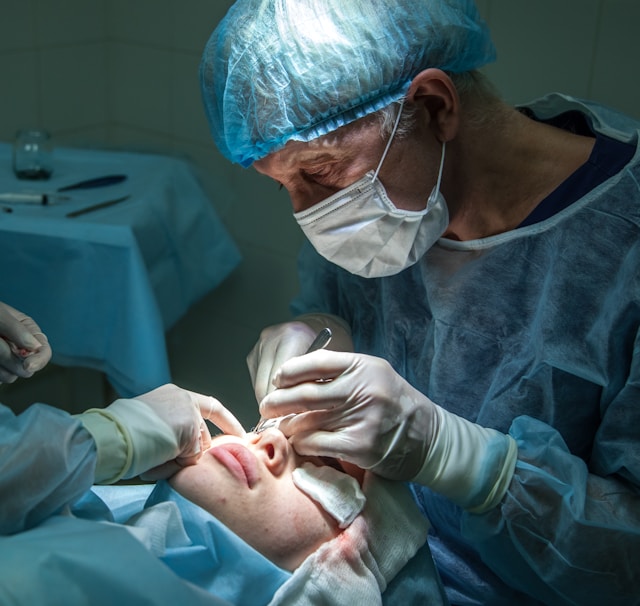
Because of this, many people in Long Island and surrounding areas are starting to look beyond quick fixes and toward more lasting solutions. Eyelid surgery, known medically as blepharoplasty, has become a trusted option for addressing these concerns. But what does the procedure actually do, who tends to benefit most, and what does recovery really look like?
Let’s walk through it step by step.
The Basics of Eyelid Surgery
In simple words, eyelid surgery focuses on restoring a refreshed, well-rested appearance around the eyes. During the procedure, a surgeon gently adjusts excess skin or puffiness that has built up over time, while keeping the eye’s natural shape fully intact. The intention is subtle improvement, not a noticeable change.
Because different concerns affect different parts of the eye area, professionals offering blepharoplasty in Long Island typically separate eyelid surgery into two types. These include:
- Upper eyelid surgery: This approach focuses on excess skin that causes the lids to droop or feel heavy. In some cases, sagging skin may also obstruct peripheral vision and improve it if it is removed.
- Lower eyelid surgery: This targets puffiness or under-eye bags caused by fat that has shifted over time.
Each option works well on its own, and the best approach depends on your specific anatomy, concerns, and goals. That’s why leading specialists such as Dr. David Parizh typically begin with a detailed consultation. During this visit, the eye area is carefully evaluated, options are explained clearly, and a plan is tailored to what will look most natural for you. This step helps ensure the treatment fits your face rather than following a one-size-fits-all approach.
How Eyelid Surgery Helps the Eye Area
Blepharoplasty is often described as subtle, but its impact can be meaningful. Rather than changing how you look, it tends to restore how you’re perceived.
- A Smoother, More Youthful Eye Contour
As skin around the eyes thins and loosens, shadows, folds, and uneven texture can become more noticeable. This can make the eye area look older or more worn, even when the rest of the face still feels youthful. Eyelid surgery helps smooth these irregularities by refining excess skin and repositioning underlying tissue. The result is a cleaner, more even contour around the eyes, which often makes the entire face appear more polished and refreshed without drawing attention to the procedure itself.
- A More Rested, Awake Appearance
Drooping eyelids and under-eye bags often create the impression of fatigue, even when you are well rested. Over time, excess skin and puffiness can make the eyes look heavy or shadowed, which affects how alert and energized the face appears. An evaluation with oculofacial eyelid care in Eugene, OR can help confirm what’s driving that heaviness before you decide on next steps. Blepharoplasty gently addresses these concerns by reducing that heaviness and smoothing the area around the eyes. As a result, the eyes tend to look more open and refreshed, helping the face reflect how you actually feel rather than how tired it may appear.
- Improved Balance Around the Eyes
The eye area plays a key role in overall facial balance. Even small changes around the eyes can influence how the rest of the face is perceived. When excess skin or fat is adjusted carefully, the eyes often blend more naturally with surrounding features like the brows and cheeks. This creates a sense of harmony that feels subtle and natural, rather than drawing attention to the surgery itself. Many people describe the change as looking more like themselves, just rested and renewed.
Recovery and Results Over Time
Eyelid surgery is usually performed on an outpatient basis, meaning you return home the same day. Local anesthesia is commonly used, sometimes with light sedation, depending on the treatment plan.
In the first few days, swelling and bruising are normal. Cold compresses, keeping the head elevated, and following post-care instructions can help manage this phase. Most people feel comfortable returning to normal routines within 10 to 14 days, once swelling has reduced.
Results continue to refine over the following weeks as tissues heal fully. The refreshed appearance achieved with blepharoplasty often lasts for many years, especially when paired with good skincare and sun protection.
Tips for Getting the Best Results
A few thoughtful steps can make a real difference in both experience and outcome.
- Choose a board-certified facial specialist: Experience with facial anatomy and eyelid procedures supports safer planning and more natural results.
- Be open during your consultation: Sharing goals and asking questions clearly helps guide a treatment plan that feels right for you.
- Follow recovery instructions carefully: Proper aftercare supports smoother healing and better long-term results.
Remember to allow yourself time for healing before judging results. Swelling takes time to resolve, and final outcomes often continue improving over several weeks.
Final Thoughts
Drooping or puffy eyelids can affect how rested and confident you feel, even when you’re otherwise feeling well. Eyelid surgery offers a thoughtful way to address these changes while preserving natural expression.
By understanding the basics, choosing the right approach, and working with experienced care, the process becomes clearer and more manageable. With careful planning, blepharoplasty can help you look as refreshed and awake as you feel.










Add Your Comment