


What if true productivity began the moment you stopped rushing?
In a world obsessed with optimization, we rarely allow ourselves to build something simply for the sake of building it. Our downtime is scheduled, monetized, or swallowed by endless scrolling. Even “relaxing” often means consuming more content rather than creating something tangible.
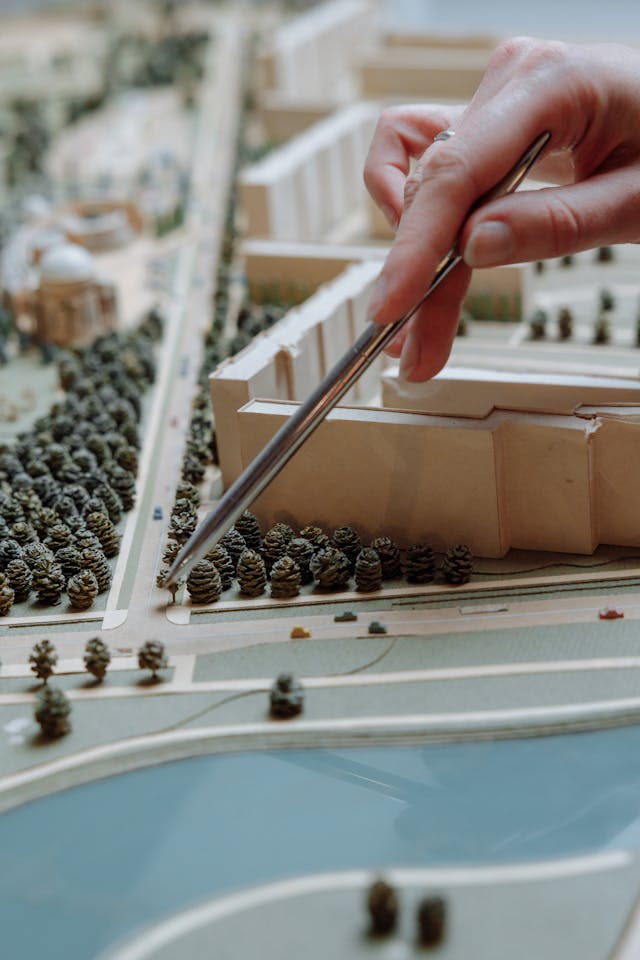
That’s why a quiet shift is happening. More high performers are turning to tactile hobbies not as nostalgia, but as a strategy. They’re choosing activities that demand focus without pressure, precision without urgency. Miniature diorama building, once dismissed as child’s play, has become a surprisingly sophisticated form of intentional living. It invites you to construct a small world to regain control of your own, one deliberate piece at a time.
For families seeking creative family activities at home that feel refined rather than juvenile, and for individuals craving a structured mental reset, intricate miniature builds provide a compelling answer. Each precise movement produces a subtle sense of progress.
The Rise of Structured Creative Hobbies
Many modern kits are constructed with the long-term process in mind. So many products today are designed for novelty rather than long-term use. Nonetheless, this has been replaced by a new breed of miniature projects that are more precisely structured and have been more refined in terms of their aesthetic appeal. These designs help in closing the gap between hobby and art object. They do not find themselves in a storage drawer, but instead they get a permanent place on the bookshelves, on the mantels, and on the office desks.
There is also symbolic comfort in miniatures. Complex environments are reduced to contained, manageable worlds. Building them provides a sense of order. The act of assembling walls, lighting fixtures, furniture, and architectural details creates a visible structure from scattered components. That transformation mirrors an internal shift from scattered thoughts to organized calm.
This is why immersive miniature builds feel absorbing without being overwhelming. The structure guides attention. The details reward patience. The finished result reflects hours of intentional focus.
Rolife DIY Miniature House Kit – Garage Workshop DG165
This garage workshop–style miniature kit is a strong example of the trend. Designed with an industrial texture and a metallic level of detail, it reconstructs a vintage-inspired workspace with motorcycles, cabinets, tool carts, and adjustable details.
Key Features:
- Semi-open layout for full interior visibility
- Movable furniture to customize arrangements
- Realistic miniature tools and mechanical accessories
- Encourages narrative-building and imaginative interpretation
The beauty is in the use case in addition to its physical characteristics. Such a project is appealing to the families that enjoy practical problem-solving. Parents and children who are mechanically curious can work together in assembling tools, adjusting panels, and locating accessories. This process is one of the more interesting explanations of the modern DIY kits for adults because they introduce spatial thinking and design thinking organically.
The Appeal of Quiet Luxury in Miniature Spaces
At the opposite extreme of the aesthetic scale is a miniature house in the form of a living room, whose main accent is on the development of the inner space and the effect of multifaceted textures.
Product Highlights:
- Cultured interior design theme
- Finely detailed furniture components
- Harmonized color composition
- Display-worthy focal point
- Designed for décor-minded hobbyists
When completed, the miniature living space becomes an art object. It holds visual weight within a room and often becomes a subtle conversation piece. Instead of announcing itself loudly, it integrates quietly into curated interiors. The emphasis is on atmosphere, understated elegance rather than novelty.
Such projects align with the broader “quiet luxury” movement visible in fashion and interior design. Miniature builds that embody this philosophy feel relevant within contemporary homes.
The Book Nook Phenomenon as a Design Trend
Another development shaping the miniature world is the rise of book nook inserts. These narrow dioramas are designed to sit between novels on a bookshelf, creating the illusion of a hidden architectural scene. Social platforms have amplified their popularity, turning them into a design-forward hobby rather than a niche craft.
Why This Format Resonates:
- Urban street aesthetic with illuminated elements
- Compact structure suitable for bookshelves
- Adds dimensional depth to reading spaces
- Appeals across age groups
- Balances décor and creativity
Book nooks embody the fusion of storytelling and craftsmanship. They are assembled piece by piece, yet their impact lies in the emotional tone they evoke. The warm lighting, architectural lines, and scaled details create a sense of atmosphere. For families, assembling one becomes a shared project that culminates in a permanent addition to the home environment.
The broader industry insight here is clear: hobbies that double as interior design pieces are outperforming those that lack post-completion relevance. People want to display what they build. They want evidence of time well spent.
Rethinking Thoughtful Gifting
Selecting meaningful presents has grown increasingly complicated. Many hesitate to give hobby-based items out of concern that they may go unused. However, immersive miniature projects differ from impulse purchases. They provide an experience first and an object second.
For those exploring distinctive DIY gift ideas, detailed miniature kits offer structured downtime in a culture dominated by distraction. The recipient gains not just a finished display piece, but an afternoon or several devoted to focused creation.
Traditional gifts depreciate quickly. Technology becomes outdated. Apparel loses novelty. A carefully assembled miniature, by contrast, retains narrative value. It represents invested hours, acquired skills, and concentrated attention.
These projects are not about accumulation. They are about engagement. They remain accessible to beginners while offering sufficient complexity for meticulous hobbyists. That balance broadens their relevance across generations.
Building Presence Through Parallel Creation
The deeper value of miniature building does not reside solely in the finished object. It exists in the quiet hours of assembly. Families working side by side experience what developmental psychologists describe as parallel engagement, participating in a shared goal without the pressure of constant conversation.
In an era defined by constant connectivity, deliberate disconnection feels radical. Structured creative pursuits invite that pause without demanding spectacle. They simply require time and attention.
Miniature worlds may be small in scale, but their impact on focus and connection can be substantial. Sometimes the most meaningful reset begins with assembling something quietly, piece by piece.











Add Your Comment