


Many adults consider liposuction to achieve their ideal body shape. Feeling confident in your appearance can improve both self-esteem and overall quality of life. Yet uncertainty about the process often causes hesitation.
Patients may worry about safety, results, or how long recovery will take. In Austin, where cosmetic and wellness procedures are widely sought, understanding the preparation, procedure, and recovery process is especially important. Knowing what to expect helps reduce anxiety and ensures smoother results.
This article provides guidance for anyone considering liposuction, covering preparation tips, the procedure itself, and recovery advice to ensure safe, effective, and satisfying outcomes.
- Preparation for Liposuction
Let us first understand the basics of liposuction:
Procedure Overview
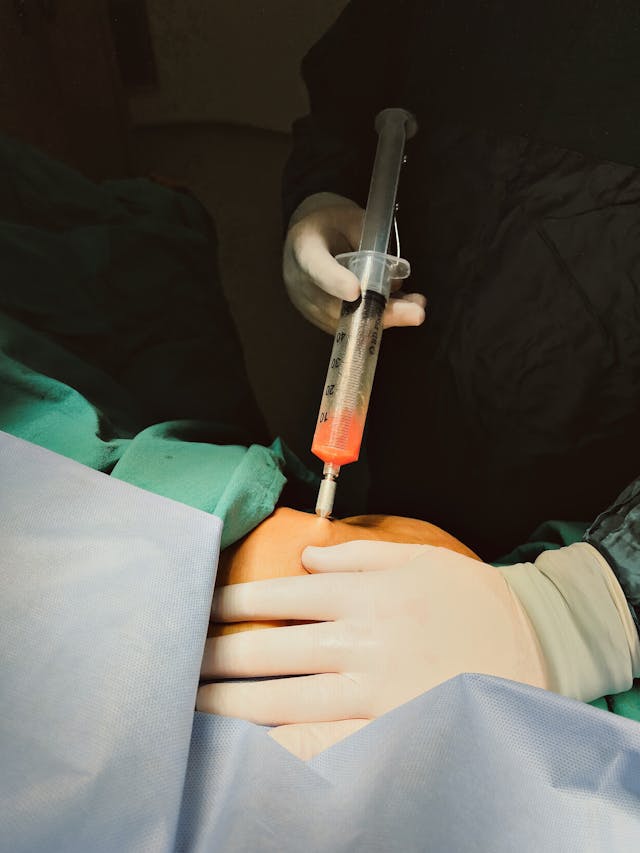
Before scheduling liposuction, patients should learn what the procedure entails. Liposuction can target areas like the abdomen, thighs, arms, or chin. The procedure may involve injectable fillers for minor contouring or surgical techniques for larger areas.
Understanding the method used, estimated duration, and expected sensations helps patients feel more confident.
Most procedures are done under local anesthesia with sedation or general anesthesia for larger treatments. Knowing these details beforehand allows for mental preparation and planning for downtime.
Consultation and Health Assessment
A thorough consultation is essential. Choosing a qualified, board-certified provider ensures both safety and optimal results. Patients considering Liposuction in Austin should discuss their medical history, current medications, and desired outcomes with their provider. This conversation allows the surgeon to create a personalized treatment plan and provide realistic expectations.
Experts at centers, like The Piazza Center, run a proper assessment to reveal underlying conditions or concerns that might affect the procedure, ensuring that patients receive care tailored to their health and body type.
Pre-Procedure Instructions
Preparation includes avoiding blood-thinning medications, alcohol, or smoking before the procedure. Patients should arrange for transportation and plan for some downtime afterward.
Staying hydrated and following dietary guidance from the provider also supports smoother recovery. Clear instructions help minimize risks and ensure that patients are ready for a safe, effective procedure.
Setting Realistic Expectations
Understanding achievable results is critical. Discussing target areas and body contouring goals ensures that patients have realistic expectations about the outcome.
Even subtle improvements can make a significant difference in overall body shape. Realistic goals prevent disappointment and help patients appreciate the gradual transformation that follows liposuction.
These are the basics that everyone must know for preparing for the procedure.
- The Liposuction Procedure
Now that you are prepared, let’s read about what happens during the procedure:
- Anesthesia and Safety
Patients are typically given either local anesthesia with sedation or general anesthesia for larger areas. Experienced providers carefully monitor vital signs throughout the procedure. Safety protocols are in place to reduce risk and ensure that the process is as comfortable as possible.
- Technique and Process
Liposuction involves the removal of excess fat through a small incision using a cannula. Techniques vary, including tumescent liposuction, ultrasound-assisted, or laser-assisted methods. Each method is chosen based on the patient’s body, goals, and desired results. Understanding the procedure helps patients feel more prepared and confident.
- Immediate Post-Procedure Care
After the procedure, patients may experience swelling, bruising, or mild soreness. Providers monitor these symptoms and offer guidance for managing discomfort. Proper post-procedure care ensures that healing progresses safely and that results are optimized. Patients are advised on compression garments, gentle movement, and how to identify potential complications.
Once done, the step is healing and downtime!
- Recovery Tips
Recovery time is the most important part; you have to understand the healing procedure and also take good care of yourself. Know how:
- Healing Timeline
Recovery duration varies based on the technique and treatment area. Most patients can resume light daily activities within a few days, while more strenuous tasks may require several weeks. Following provider instructions ensures a smooth healing process and prevents setbacks.
- Managing Discomfort and Swelling
Using recommended medications, wearing compression garments, and applying gentle care helps minimize swelling and bruising. Ice packs and short walks can promote circulation and aid healing. Patience and consistent adherence to recovery instructions are key to comfort and optimal results.
- Long-Term Maintenance
Maintaining hydration, a balanced diet, and light exercise supports long-term results. Follow-up visits with the provider allow assessment of healing, adjustments if necessary, and guidance for maintaining results. Proper lifestyle habits ensure that liposuction benefits are preserved and the body continues to look contoured and healthy.
Conclusion
Proper preparation, understanding the procedure, and following recovery guidelines are essential for safe and satisfying liposuction results. Professional care ensures individualized treatment, expert guidance, and support throughout the process. By being informed, patients can reduce anxiety, manage recovery effectively, and enjoy long-lasting, natural-looking results. With careful planning and adherence to provider instructions, liposuction can enhance body contours, boost confidence, and improve overall satisfaction with appearance.










Add Your Comment