


Pregnancy transforms the body in powerful ways. While some changes fade with time, others tend to linger long after childbirth. For many parents, the joy of raising a child is paired with frustration over stretched skin, separated abdominal muscles, and stubborn belly fat that simply won’t respond to healthy eating or exercise.
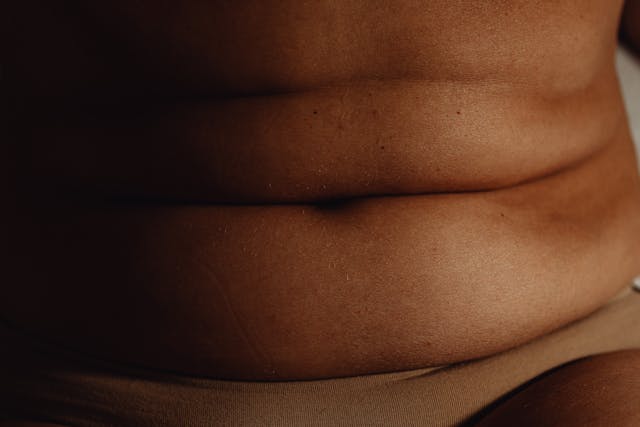
In places like Baltimore, where modern cosmetic and reconstructive options are widely available, tummy tucks have become a procedure many parents explore. But is it really the answer to post-baby belly changes? To find out, let’s look at why these changes are hard to resolve, what a tummy tuck involves, and when it may be the right step.
Why Post-Pregnancy Changes Are Hard to Resolve
The human body is resilient, but pregnancy pushes it beyond its usual limits. Abdominal muscles stretch to make room for the baby, and in many cases, they separate—a condition known as diastasis recti. Skin also loses elasticity, which explains the sagging or loose folds many parents notice afterward.
Lifestyle efforts like core exercises, strength training, and mindful eating certainly help restore energy and tone. However, they often fall short when it comes to repairing stretched muscles or tightening excess skin. That’s why even dedicated parents who return to healthy routines find themselves struggling with a belly that doesn’t look or feel the same. These changes are not a failure of willpower—they’re simply physical results that need more precise intervention.
What Is a Tummy Tuck?
When natural remedies don’t deliver, some parents explore professional solutions. A tummy tuck, or abdominoplasty, is a surgical procedure that reshapes the abdominal area by removing excess skin and tightening weakened muscles. It is especially effective for repairing muscle separation, known as diastasis recti, which often occurs after pregnancy..
During the procedure, experts in tummy tuck in Baltimore make a carefully placed incision, repair stretched abdominal muscles, and remove loose skin. Then they reposition the remaining tissue for a smoother contour. In many cases, liposuction is combined with the surgery to refine the waistline.
That said, professionals approach each case individually, tailoring techniques based on the patient’s needs. Clinics such as Rottman Plastic Surgery in Baltimore emphasize this personalized approach to ensure safe results that look natural.
When Can You Have a Tummy Tuck?
Timing is an important factor. Surgeons usually recommend waiting until after you’re done having children, since another pregnancy can undo the results. It’s also best to reach and maintain a stable weight before scheduling the procedure. This ensures both safety and lasting results.
For new mothers, doctors often suggest waiting at least six months to a year after childbirth to give the body time to recover naturally. Consultations are essential because they help determine if you’re physically ready. During this process, professionals review your health history, assess the degree of muscle or skin change, and set realistic expectations.
The right timing ensures that the procedure doesn’t just improve appearance—it supports long-term health and comfort.
Benefits of a Tummy Tuck
For many parents, the benefits go beyond how they look in the mirror. Physical and emotional improvements often come together to create lasting relief.
- Stronger core support: Repairing separated muscles can improve posture and reduce back pain.
- Easier movement: A firmer midsection makes exercise and daily tasks more comfortable.
- Boosted confidence: Wearing fitted clothing, swimsuits, or simply seeing a smoother belly helps restore self-esteem.
- Emotional reset: Many parents feel like they’ve “gotten their body back,” which can enhance both social and personal confidence.
These benefits show why this procedure is not purely cosmetic—they address real physical challenges that linger after pregnancy.
Key Considerations Before Surgery
A tummy tuck offers life-changing results for the right candidates, but it’s not a decision to make lightly. A few important factors include:
- Recovery time: While modern techniques reduce downtime, patients still need weeks to fully heal.
- Scarring: Incisions are strategically placed, but scars are inevitable. Over time, they fade but don’t disappear completely.
- Cost: The procedure is often considered elective, so insurance rarely covers it.
- Choosing the right surgeon: Board certification and experience are critical. A skilled surgeon tailors the procedure to your body and ensures both safety and natural-looking results.
- Realistic expectations: It restores the firmness, but it’s not a substitute for overall fitness or weight management.
By weighing these factors carefully, parents can make confident, informed decisions about whether the procedure aligns with their goals.
So, Is It the Answer?
It isn’t for everyone, but for parents dealing with changes that no diet or workout can fix, it may be the most effective solution. Post-pregnancy belly fat, stretched skin, and weakened muscles are stubborn challenges, and lifestyle alone often falls short. In those cases, surgery becomes less about appearance and more about restoring function, comfort, and confidence.
For many in Baltimore and beyond, it offers a chance to feel at ease in their own skin again. And while it requires thoughtful planning and professional guidance, the rewards—both physical and emotional—can be truly transformative.










Add Your Comment