


The subscription model has taken over the typical American household. While people worry about the big stuff like car repayments, utility bills, and mortgages, subscriptions can slide under the radar because they are usually for small amounts. But having multiple recurring charges each month for entertainment can make a big dent in the monthly household budget.
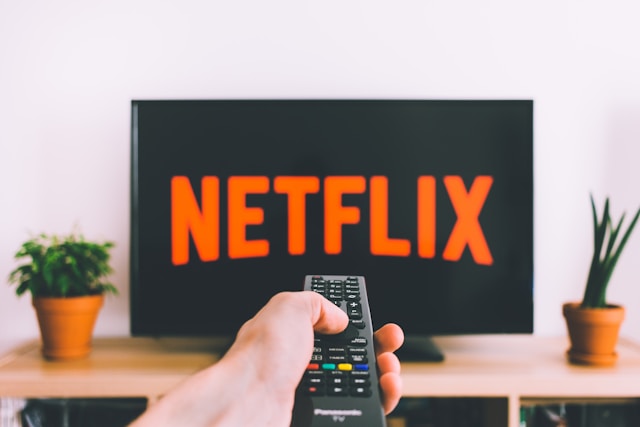
From movies to gaming and watching sports, it’s become increasingly difficult to find entertainment that doesn’t come in subscription form. That’s reflected in the fact that the average American pays for around five of them per month. Are we too far down the rabbit hole now to ever go back to a pre-subscription economy? Or can we really cut the ties and survive in the world without those small monthly charges hitting our accounts?
Why Subscriptions Took Hold
Subscriptions help companies to stabilize their revenue by relying on regular payments from existing customers, which is usually cheaper than constantly chasing new one-off buyers.
However, this model doesn’t apply to every type of entertainment. Online gambling, for example, now a common leisure option, works differently. Players typically pay per session rather than committing to a monthly plan at online casinos. There is also often the option to try free casino games at any time, without time limits or automatic charges. By contrast, subscription services usually offer a short trial period, often a month, if a trial is available at all.
So why do subscriptions still appeal to so many people?
Consumer Convenience
For the consumer, the user-friendly subscription model offers convenience. Major platforms like Netflix and Spotify, for example, give people access to staggeringly large libraries for a low-cost monthly payment. Because a customer only sees the small payment go out each month, they very rarely look at how much a subscription costs them over the course of a year. It’s just more attractive and manageable than shelling out for a large one-time purchase.
The Shift Away
Given that most of our entertainment sources are linked to subscriptions, cutting them off would initially cause a drastic change in a person’s life. Convenience, quality, and access would be reduced, and it would be a shock to realize just how much of a person’s modern internet and cellphone life is built on subscriptions. Anyone doing this would probably feel isolated and technologically constrained, but there are ways to get by in the modern world without heavy subscriptions.
Cutting the Cord
The first place many people start with cutting subscriptions is on TV packages, which can get extremely expensive when movies, sports, and kids’ shows are added in. But there are sites and services out there that still have a good range of shows for free, like Tubi and Pluto TV and, of course, the user-based YouTube. But these platforms come with commercials and ads, and many people argue that the quality of free streaming sites isn’t the same as subscription-based ones, which deliver much newer content.
For music, switching to an option of purchasing the songs or albums you want, or just listening to the radio, would be the way to go. Watching local sports teams or heading off to meet friends at the bar to watch a big match can help with a sporting fix instead of paying for expensive sports channels, while going to the cinema to catch the latest movie release could be an excellent socially-oriented change without a subscription model. New movie rentals can also be streamed for way less than taking the family to the cinema.
Check Out the Library
Libraries are a fantastic resource for everything from ebooks, audiobooks, and streaming, all for free. And if video games are your main form of entertainment, the same logic applies. Not every type of gaming requires a monthly fee. Instead of paying for ongoing subscriptions like PlayStation Plus, some players choose to buy only the games they actually want to play.
Digital libraries such as Steam, GOG, or the PlayStation Store allow players to purchase individual titles without committing to a recurring payment. On top of that, there is a wide range of free-to-play games available, from multiplayer titles to smaller indie projects, which can be played without any subscription at all.
People who use subscription-based platforms like Amazon to get their stuff delivered quickly would be affected. But shopping can still be done by planning orders to reach the minimum threshold for free delivery without a subscription, encouraging more cost efficiency through bulk purchasing.
The Benefit
Not having recurring payments go out every month means that a person has more financial control over what they choose to play, watch, or listen to. They can actively select what’s meaningful to them, and it can be a refreshing break from subscription fatigue. Cutting back on how much goes out each month on subscriptions could free up money that is instead automatically saved for a vacation fund or any other rainy day expense.
Can a Subscription-Free Lifestyle Be Maintained?
Of course, but it would initially require a fair bit of compromise. It’s tough to cut all recurring payments, because of phone plans, internet services, and home utilities. Professional software subscriptions would also be very hard to up. But there is a way out of the subscription trap and a return to transactional models.











Add Your Comment