


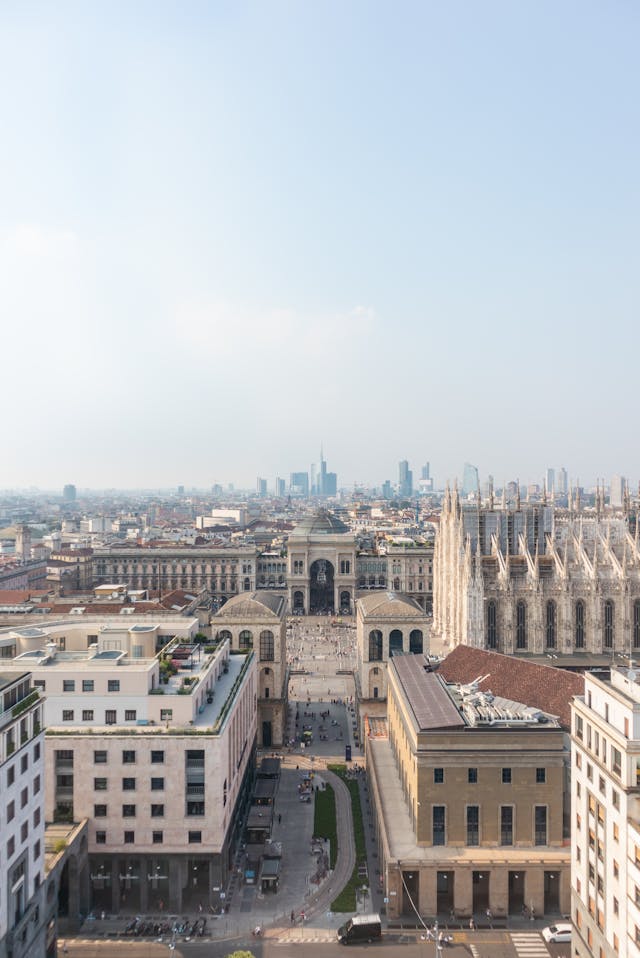
You’ve landed in Milan. The Duomo rises dramatically ahead of you. Around the square, you notice two kinds of visitors — small groups gathered around a guide, listening closely, and others navigating with Google Maps and quick online searches. At that moment, it’s tempting to think: Should I have booked a guided tour?
But here’s the truth: this decision is best made before you arrive. Milan’s most iconic experiences operate on limited timed entries and often sell out days or even weeks in advance. So instead of deciding on the spot, it helps to understand what each approach really offers — and when guided tours make more sense.
That said, dive into the article to understand better!
- Access Matters — Whether Guided or Independent
In Milan, the biggest issue isn’t distance — it’s availability. Take The Last Supper. Only small groups are allowed inside every 15 minutes to preserve the artwork. Tickets are extremely limited. During peak travel months, tickets can disappear weeks before your travel date. The Duomo rooftop terraces and Teatro alla Scala also function through timed entry systems, especially on weekends and during fashion season.
Many independent travellers assume they can “figure it out” once they arrive. But in reality, sold-out slots leave very limited flexibility. This is where planning makes a difference. Booking in advance through a specialised platform like Milan tickets & tours helps travellers secure official entry slots for high-demand attractions and organise multiple experiences under one itinerary. Instead of checking multiple websites and risking sold-out dates, everything is structured in one place. Rather than spending your first evening in Milan refreshing ticket pages or adjusting plans due to availability issues, everything is already aligned.
And perhaps most importantly, advance coordination changes your mindset. When key attractions are confirmed, you explore the city more calmly. Your attention shifts from logistics to experience — which is exactly what travel should feel like.
- Depth vs. Discovery: What Kind of Experience Do You Prefer?
Milan isn’t always loud about its history. Unlike Rome, where ruins dominate every corner, Milan’s stories are often layered beneath elegant facades. A guide helps connect what you see with what it means.
For example:
- The Duomo took nearly six centuries to complete.
- Napoleon played a role in its history.
- Da Vinci’s painting techniques in The Last Supper were experimental, and partly why the artwork deteriorated.
A guided tour brings those layers forward in real time, connecting architecture, politics, and art into one narrative. Independent visitors may discover these stories later. In short, it’s less about right or wrong — and more about whether you prefer quiet self-paced discovery or structured storytelling.
- Time, Energy, and Travel Style
If you’re spending several days in Milan, independent exploration can feel relaxed and rewarding. You can:
- Wander through Brera without watching the clock,
- Pause in Parco Sempione, or
- Linger in the Galleria simply because the light looks beautiful.
But if your stay is short — one or two days — coordination becomes more important. Guided tours can simplify logistics by aligning entry times, routes, and historical highlights into one smooth experience.
During busy periods like summer or fashion week, structured visits often reduce waiting time and uncertainty. During quieter seasons, independent exploration may feel easier and more spontaneous. Ultimately, it depends on how you prefer to spend your energy: organising details yourself or allowing someone else to handle the structure while you focus on the experience.
- A Balanced Approach Is Often the Smartest Choice
The most satisfying Milan itineraries usually aren’t extreme. They’re balanced. Instead of choosing only guided tours or only independent wandering, many travellers combine both. They secure a guided visit for The Last Supper, where context and guaranteed access truly matter. They book Duomo rooftop tickets in advance to avoid availability issues. And then, once the essential experiences are taken care of, they slow down.
They wander through Brera without a schedule. They pause in Parco Sempione without checking the time. They discover cafés near Navigli simply because the atmosphere feels inviting.
This hybrid approach quietly solves multiple problems at once:
- You gain security for high-demand attractions.
- You receive deeper historical insight, which enhances the experience.
- You maintain flexibility in lifestyle-driven neighbourhoods.
Most importantly, your trip doesn’t feel rushed or overly structured. You’re not constantly following a flag through crowded streets — but you’re also not standing outside sold-out venues wondering what went wrong.
Final Thoughts
Choosing between guided tours and independent exploration in Milan is all about strategy. If you arrive without planning during peak season, availability may limit your options. But when key attractions are booked in advance and supported by organised services, your visit feels smoother and more intentional.
Guided tours offer structure, historical insight, and efficiency. Independent exploration offers flexibility and personal rhythm. In a city as refined as Milan, the ideal experience often combines both — thoughtful planning for iconic landmarks and relaxed wandering for everything in between.











Add Your Comment